
Running long but keeping up
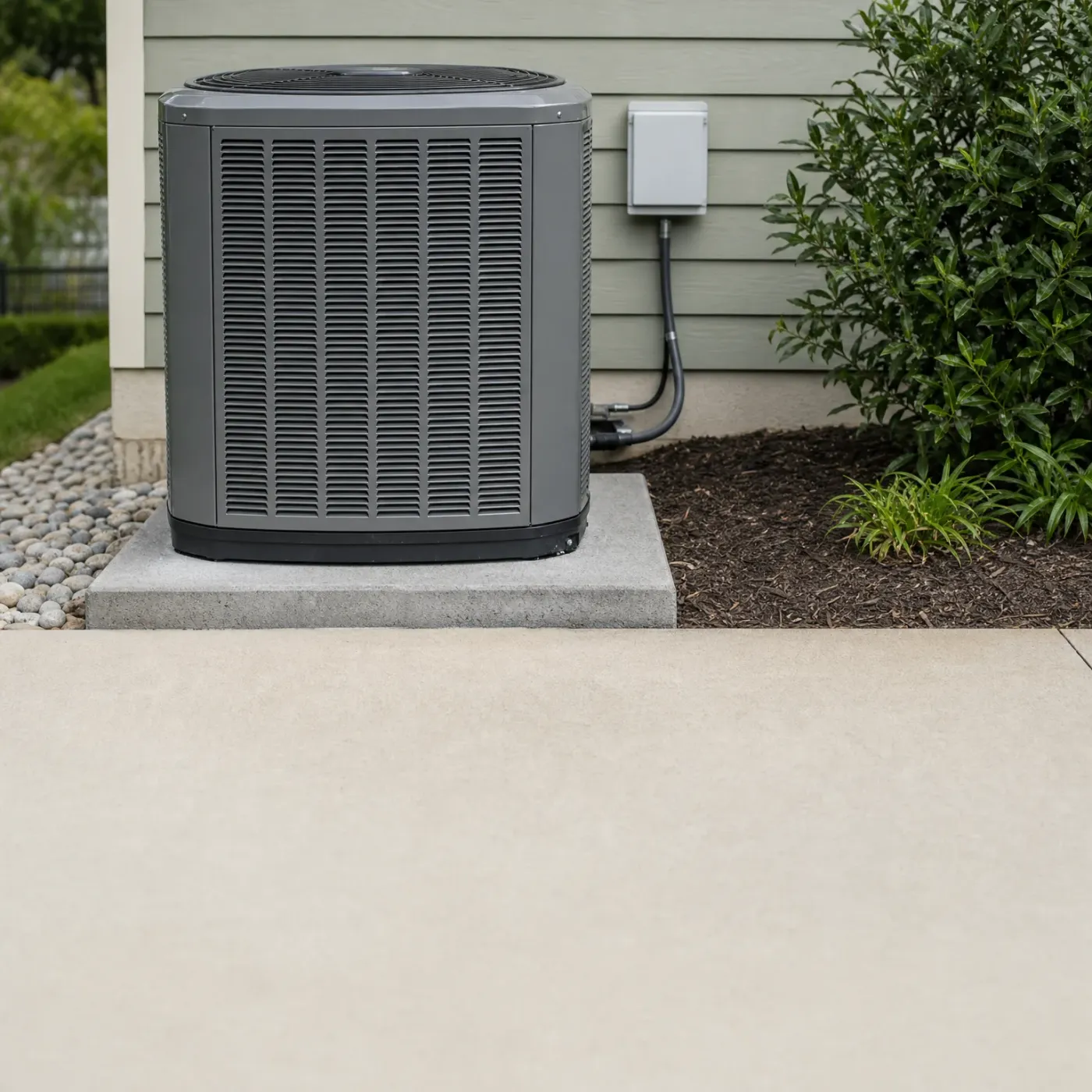
The coil and fan are clean, the lines are clear, and the house holds its temperature even as the unit cycles for long stretches. That's a heat pump working hard in the cold, not one failing. Nothing here needs a call.
 Get my match
A local pro who knows heat pumps gets your details and gets in touch.
A heat pump that runs nonstop in January isn't always broken. Most heat pumps are built to run long, steady cycles in cold weather rather than short bursts. But when yours never seems to shut off, and the house still isn't warm, something is making it work harder than it should.
In a New York winter, that gap matters more than it would somewhere milder. Most homes here heat with gas, so a heat pump is already doing a job your neighbor's furnace isn't. And power here costs more than almost anywhere else in the country. A heat pump stuck running constantly isn't just annoying. It shows up on the bill.
Figuring out why takes someone who can actually look at the system: the refrigerant charge, the defrost cycle, the outdoor unit, whether it's sized right for the house. That's not something you can diagnose by reading about it, and it's not something you should have to figure out by calling around to three or four contractors, describing the same problem each time, and waiting to see who calls back first.
This page exists to skip that part. Tell it what your heat pump is doing, and it gets you matched with a contractor who takes on heat pump repair in your area, one who already knows what your system is up against in a New York winter. They reach out to you, not the other way around.
You still have a decision to make about who you hire and what gets fixed. But you won't spend your evening on hold or your weekend waiting for quotes that never show up. That part of it is handled. What's below walks through the actual reasons a heat pump runs nonstop here, so you know what you're dealing with before anyone comes out to look at it.
A heat pump running nonstop below freezing is often doing what it's designed to do. Cold air holds less heat to pull from, so the system has to move more of it to keep up, which means longer cycles instead of the short bursts it runs in fall and spring. That part is normal once temperatures drop into the 20s and teens, which New York winters do for weeks at a time. What isn't normal is nonstop running paired with a house that stays cold, or a unit caked in ice that never clears during its defrost cycle. That points to a problem underneath the long runtime: low refrigerant, a failing defrost control, a blower that can't move enough air, or a system that was undersized for the house to begin with. The furnace or strip heat that's supposed to back up the heat pump on the coldest days may also not be kicking in. Caught early, most of these are a repair, not a replacement.
Fill out one short form instead of calling around.
Sending the form costs nothing.
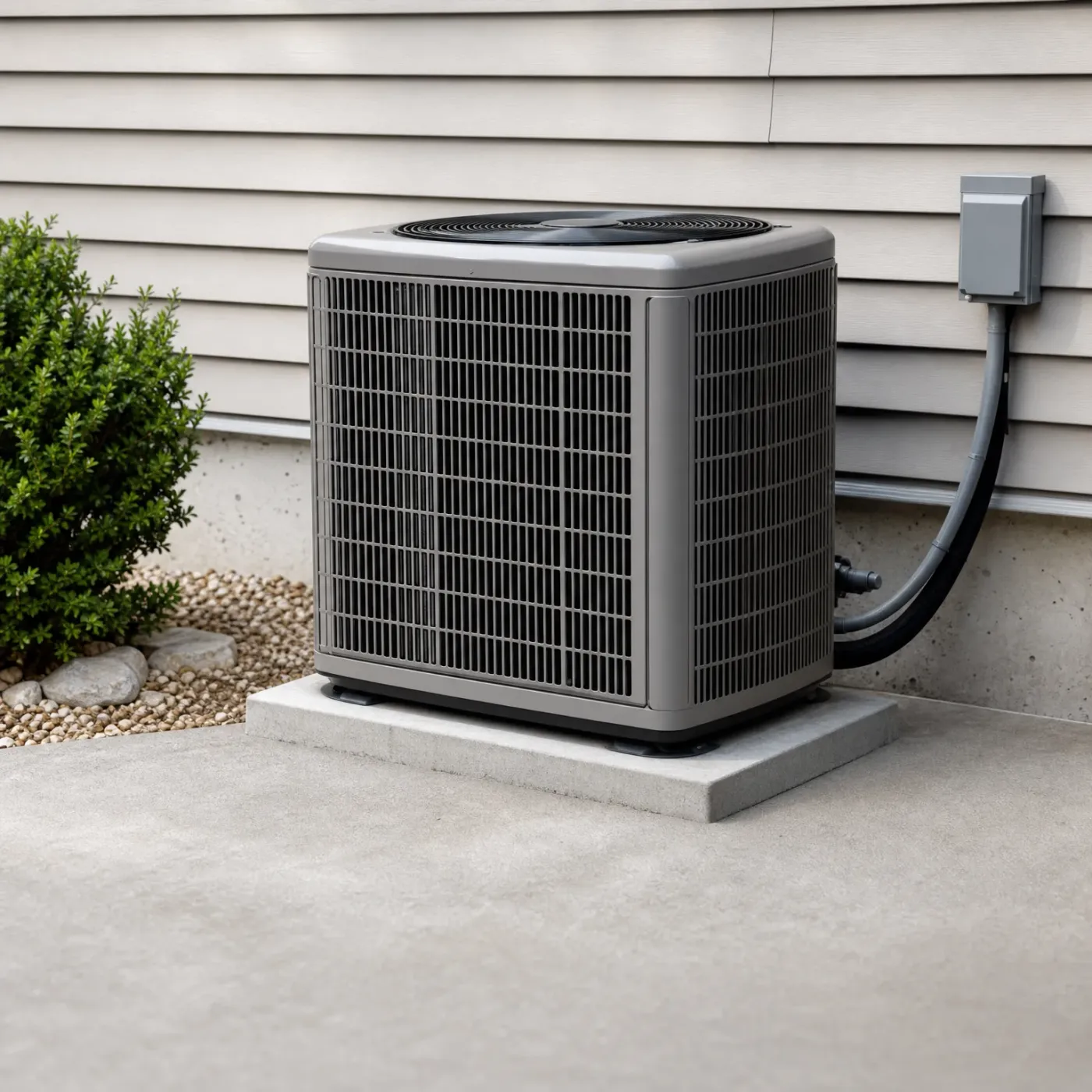
The coil and fan are clean, the lines are clear, and the house holds its temperature even as the unit cycles for long stretches. That's a heat pump working hard in the cold, not one failing. Nothing here needs a call.
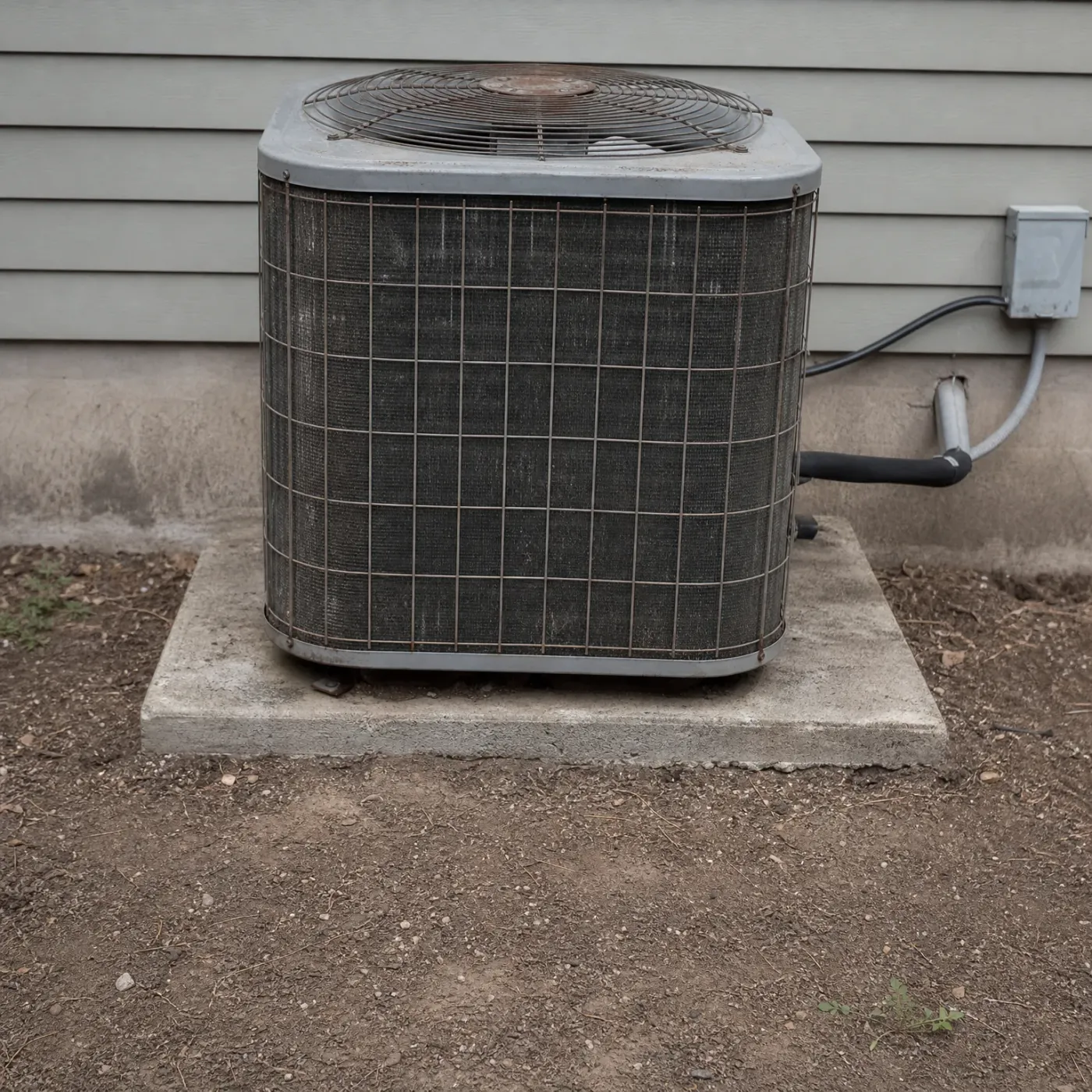
A coil caked with dirt and grille choked with debris can't move heat the way it should. If yours looks like this, or runs nonstop without warming the house, a contractor can check it before a cold snap turns it into a bigger repair.
You're watching the outdoor unit run straight through the afternoon, no cycling off even once, and the temperature outside hasn't moved off 25 degrees. You want to know if that's just how the system handles New York cold or if something underneath is working too hard to keep up.
A heat pump moves heat from the outside air into your house. At 25 degrees there's a lot less heat in that air than there was in November, so the compressor has to run longer to pull out the same amount. It also has to work through defrost cycles more often, reversing briefly to melt frost off the outdoor coil before going back to heating. Add those up and the unit can run for hours without shutting off on the coldest days, especially overnight when temperatures drop further. That's the system doing its job, not straining against something broken. What matters is whether the house is holding its temperature while it runs. If the thermostat is close to where you set it, the long cycle is working as intended.




At that rate, every hour your heat pump runs nonstop costs more here than almost anywhere else in the country. A unit struggling with a dirty coil or low refrigerant charge isn't just running long, it's running long on expensive power, so a small problem shows up fast on the bill.
EIA-861 2025 statewide residential average
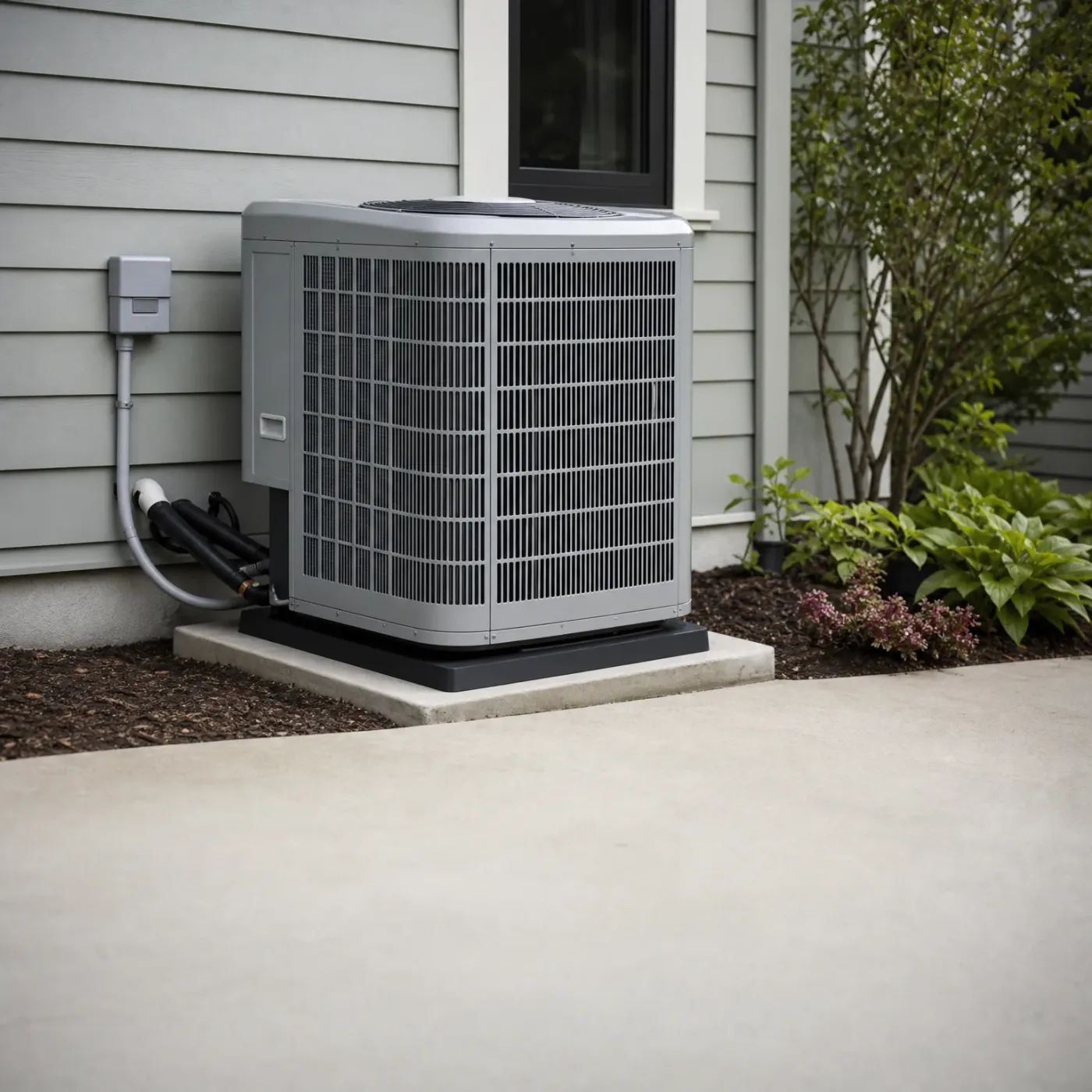
The coil is clean, the lines run straight to the disconnect, and the unit sits level on its pad. It runs for hours at a stretch because it's cold outside, not because it's struggling. The yard around it is clear, nothing blocking the airflow it needs.
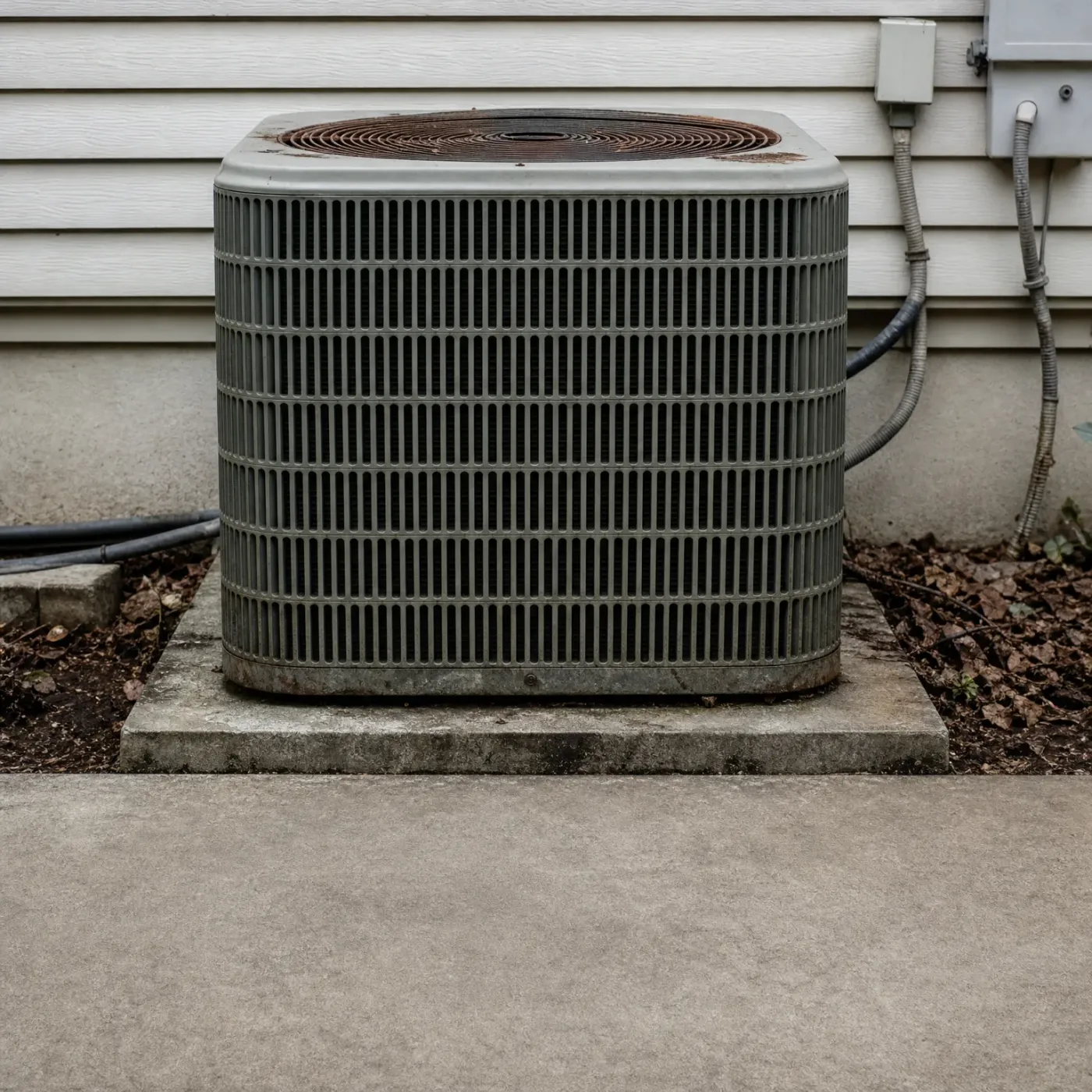
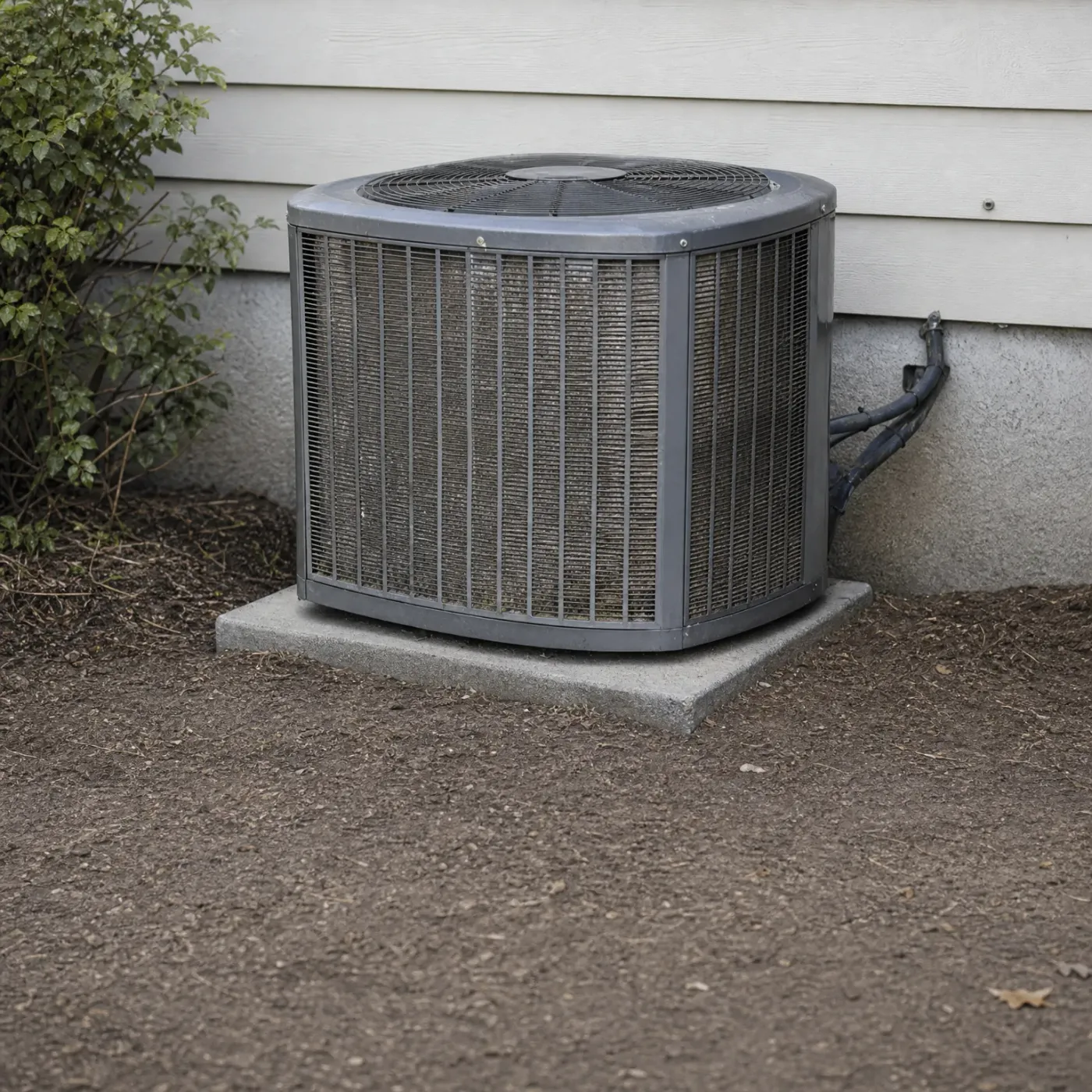
Rust spreads across the top grille and dirt has built up around the base where airflow matters most. A unit in this shape running nonstop in January isn't just working hard, it's working against itself. That's worth having someone look at before the next cold snap.

Your heat pump running for hours on a cold day is normal. What isn't normal is ice building up on the outdoor coil, the unit shutting off and starting again every few minutes, or rooms that stay cold no matter how long it runs. Those are the signs worth paying attention to, and they're worth dealing with before a bigger repair shows up in February.
If you've gone through what's above and something doesn't match, a local contractor can look at the coil, the charge, and the defrost cycle and tell you which one it is. You won't need to find them yourself, explain the system from scratch, or weigh a stack of quotes against each other. You'll be matched with a contractor suited to your system, and they'll reach out to you directly to sort out what's actually going on.

Explain the job once and skip repeating it on every call.