

Running longer in the cold
A heat pump working harder as the temperature drops is doing its job. The bill goes up because the air outside has less heat to give, not because something's wrong.
Say what's going on with your heat pump, and a pro who works on them reaches out.
Get matchedYou pulled up your electric bill and the number from last month doesn't look right. Your heat pump has been running more than usual, and in New York, where power costs more than almost anywhere else in the country, that shows up fast. You're not imagining it. Something changed, either outside your house or inside the unit, and it's worth knowing which before you assume it's just the cold.
A heat pump moves heat from outside air into your house, and the colder that air gets, the less heat there is to move and the longer the unit has to run to keep up. Below freezing, most heat pumps lean on backup electric resistance heat to make up the difference, and that backup heat uses far more power than the heat pump alone. If your unit is cycling on that backup strip heat often, through a hard New York winter, that alone can account for a bill that's climbed past what you paid to cool the house in July or August. A unit that's low on refrigerant or has a failing part will lean on that backup heat even more than it should.
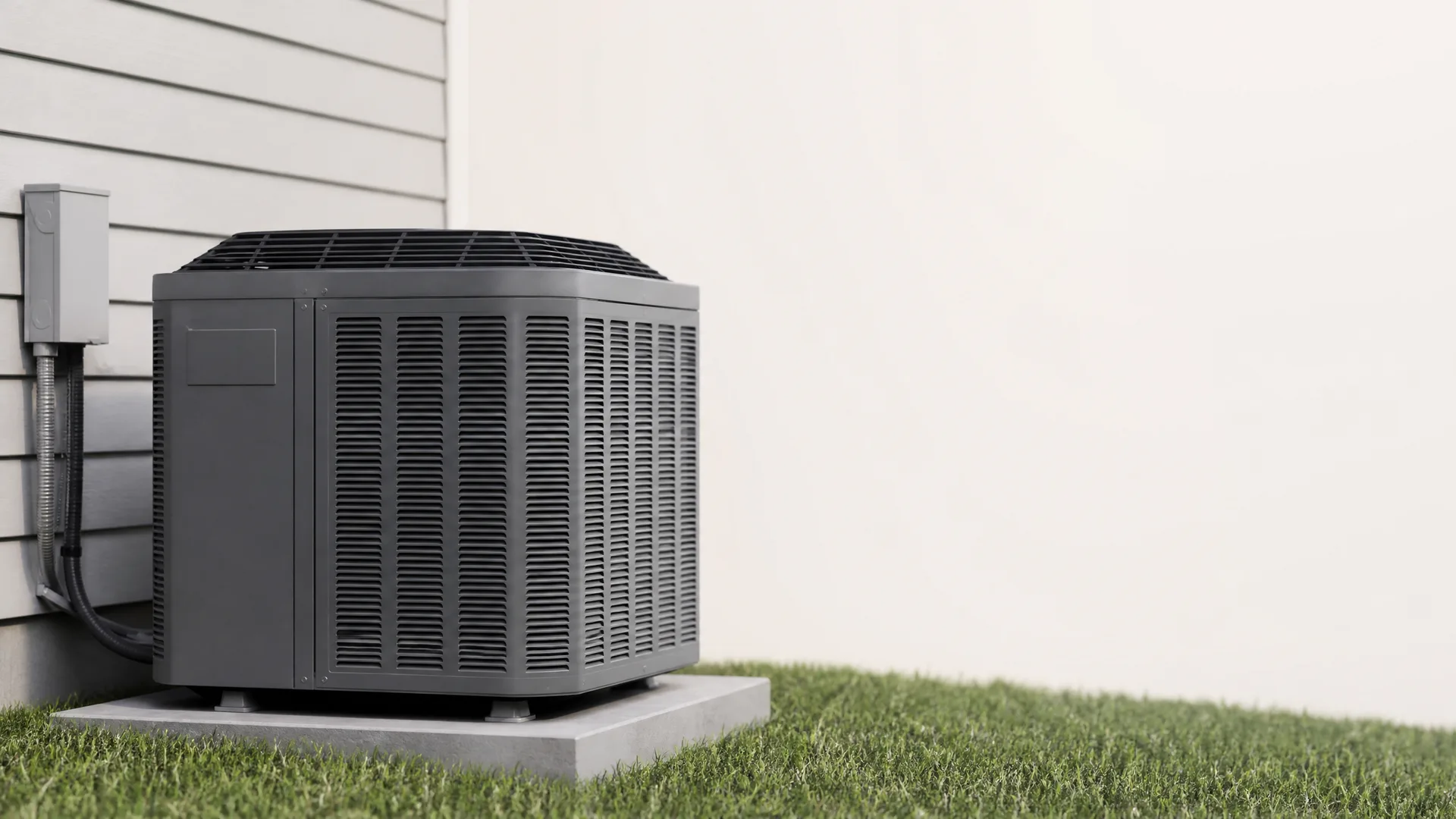
A heat pump moves heat from outside air into your home. When it's 20 degrees out, there's a lot less heat out there to grab, so the system has to run longer to pull the same warmth in. Below freezing, most units lean on backup electric resistance heat strips to keep up, and those draw power straight off the grid with none of the efficiency a heat pump normally has. That's the jump you're seeing. It isn't the equipment failing. It's the equipment working against a much bigger temperature gap than it was in October.
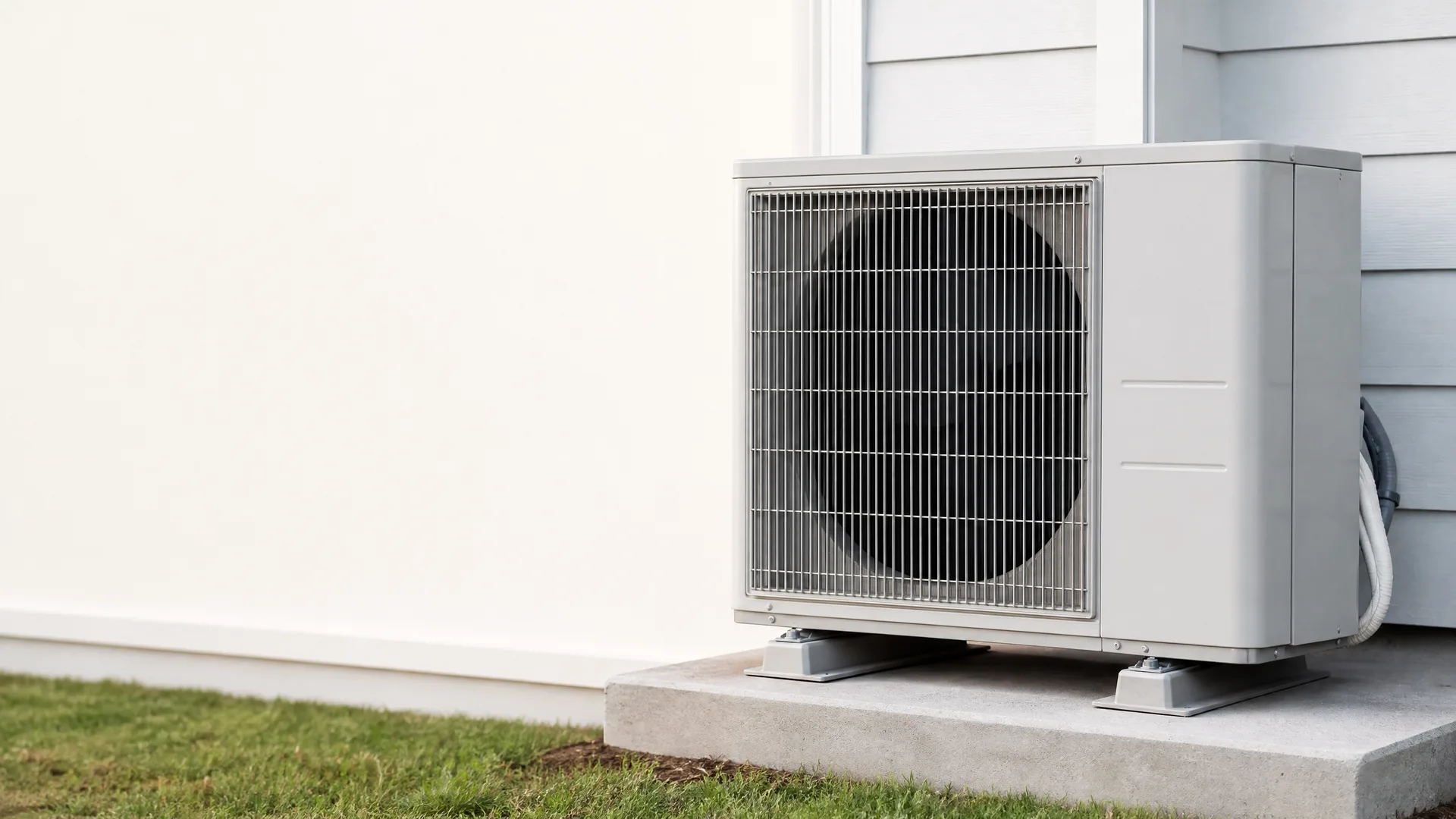
Your outdoor unit frosts over in winter, and it's supposed to run a defrost cycle to clear it. If that cycle isn't working right, ice builds up on the coil and blocks airflow across it. The system then has to work harder to pull the same heat through, and the heat strips kick on more to cover the gap. A coil that's icing over for long stretches, or a unit that sounds like it's running constantly, is usually a sign something in that defrost cycle needs a look.




Your request stays with one local pro.
A local pro who knows heat pumps gets your details and gets in touch.
It costs nothing to send, and you don't have to hire anyone.
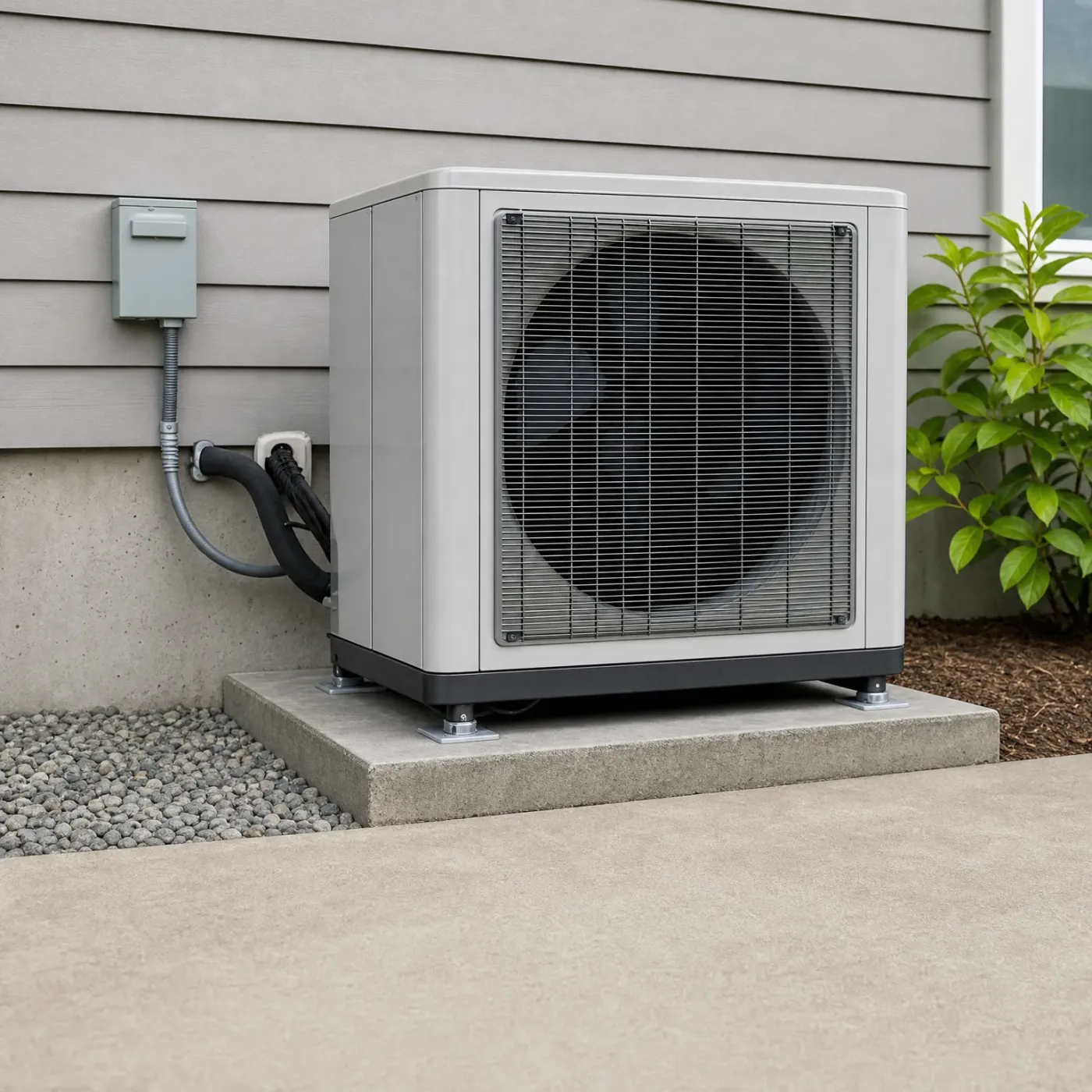
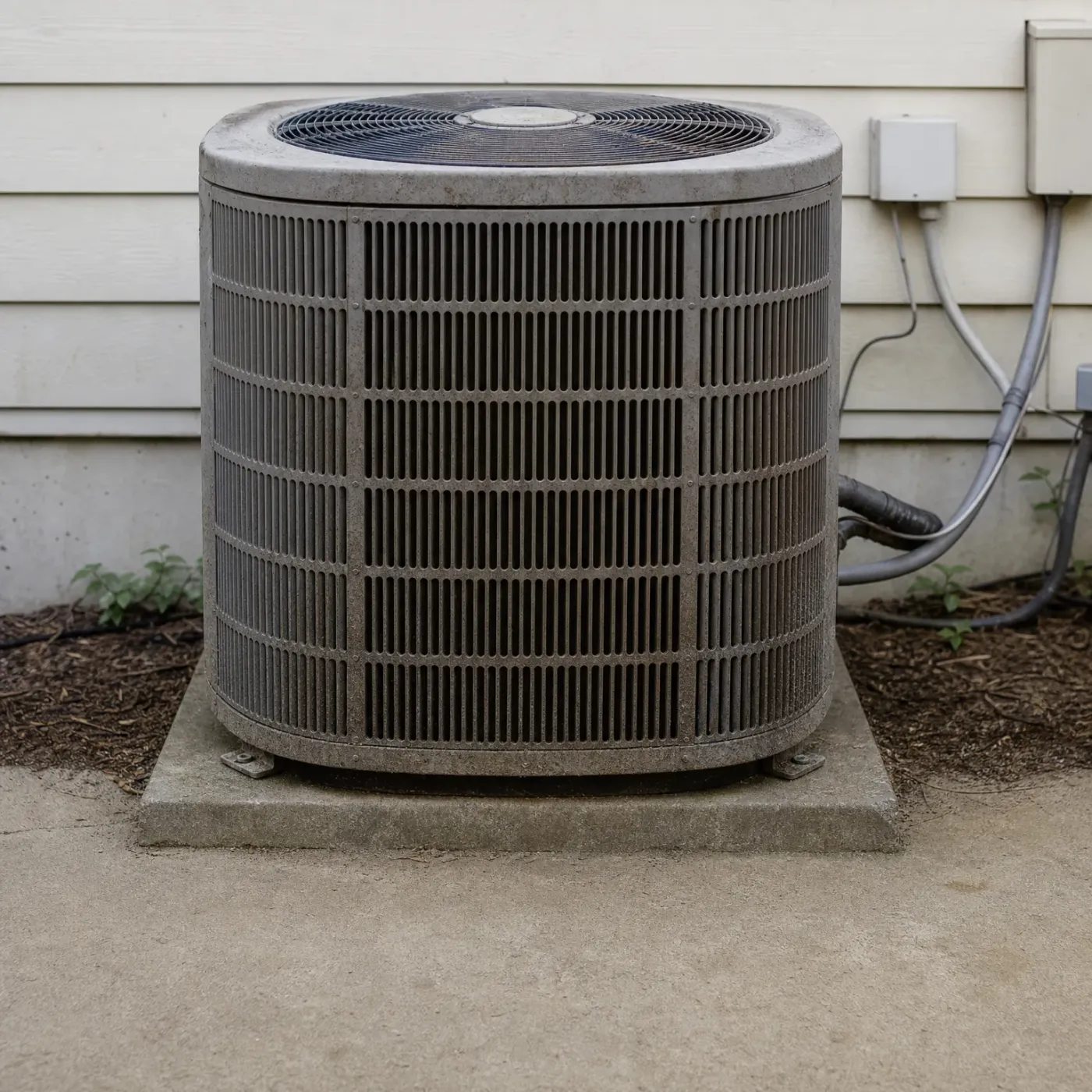
A heat pump doesn't make heat. It moves it. Even in cold outdoor air, there's warmth to grab, and the reversing valve is what decides which coil does the grabbing. Call for heat, and the valve switches so the outdoor coil pulls warmth in instead of dumping it out. The compressor's job is to squeeze the refrigerant until it's hot enough to release that heat once it reaches the indoor coil. That's the whole cycle, running over and over through the night.
Cold changes the math. Once outdoor temperatures drop toward the mid-30s, moisture in the air starts freezing onto the outdoor coil, the same way frost builds on a windshield. The system has to stop and run a defrost cycle to clear it, which means briefly reversing the flow again and sending heat outside to melt the ice. During that defrost, or on the coldest nights, many systems bring on electric heat strips to cover the gap. Those strips run on straight resistance heat, the same principle as a toaster, and they pull far more power than the compressor does on its own.
None of this is a malfunction. It's what the equipment is built to do. But a dirty outdoor coil, a low refrigerant charge, or a blower wheel caked with dust makes the compressor and fan work longer to move the same heat, and that extra run time is what shows up on the meter.
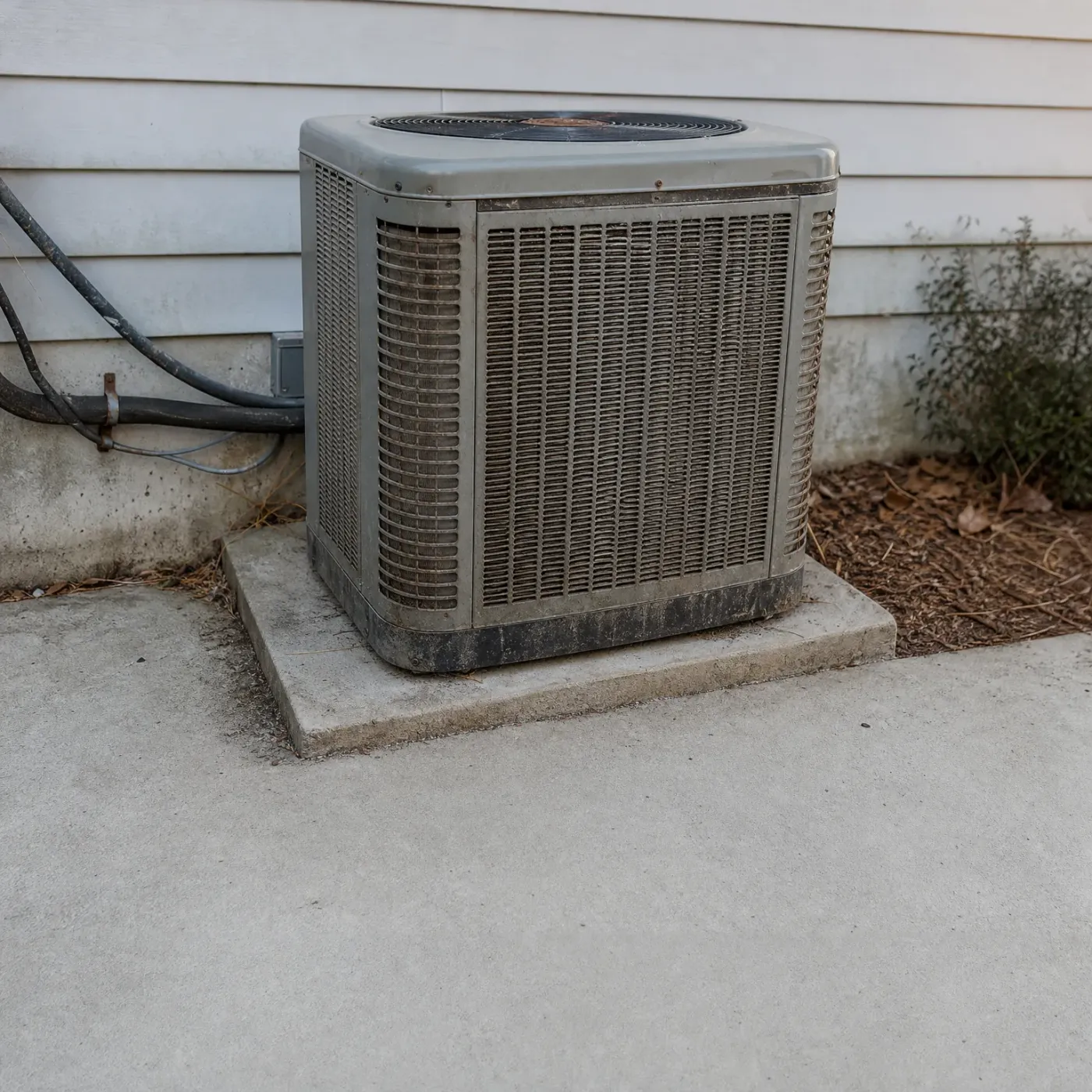
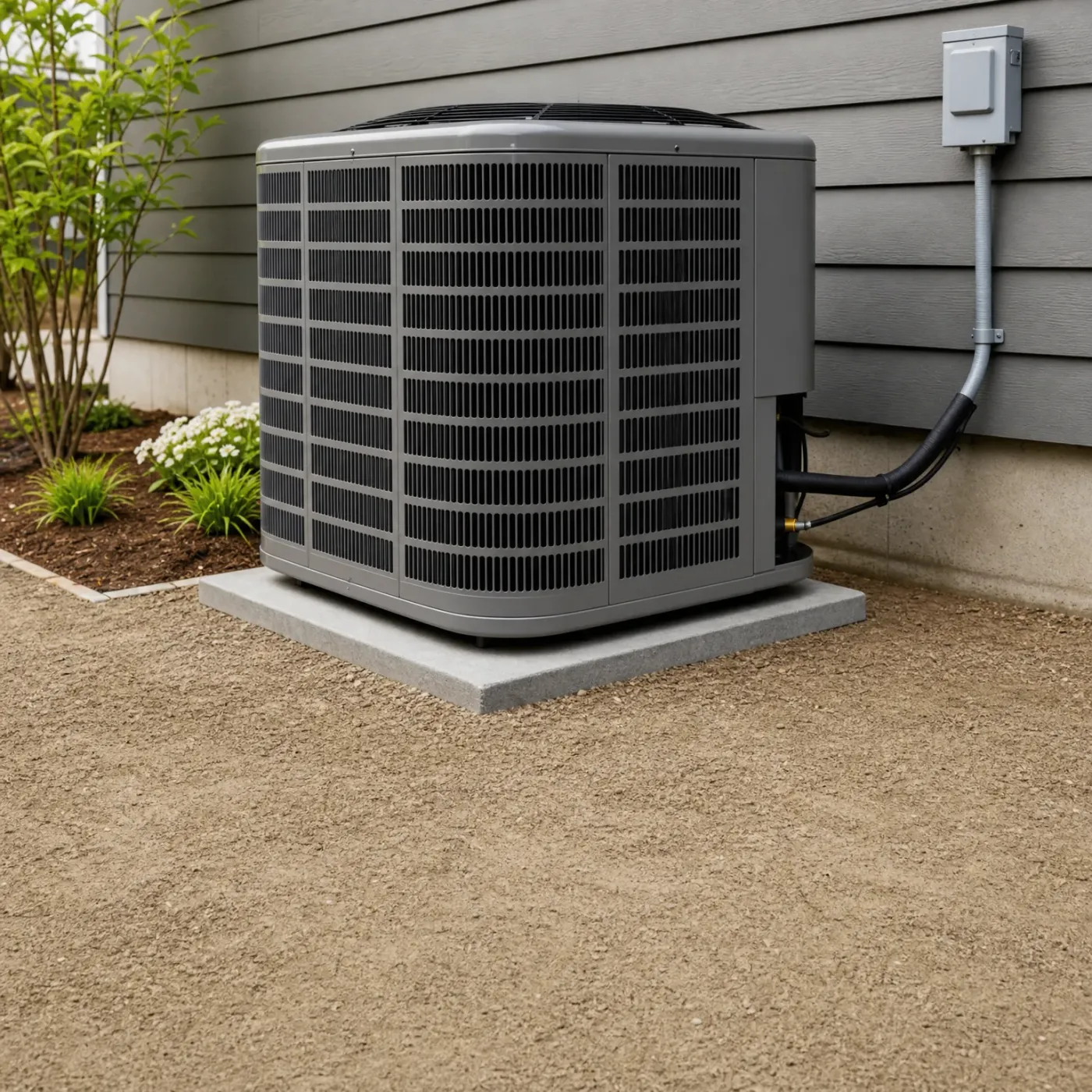
If your heat pump is icing up, short cycling, or running nonstop and the house still feels a few degrees off, that's not normal winter behavior. Something is making it work harder than it should.
A unit that's losing a fight with the cold keeps pulling power without closing the gap, and the bill keeps climbing until the problem underneath it gets fixed.


A heat pump working harder as the temperature drops is doing its job. The bill goes up because the air outside has less heat to give, not because something's wrong.
A heat pump fighting ice, short cycles, or a failing part pulls power without getting you the heat. That's a repair, not a cold snap.
At 26.39 cents per kilowatt-hour, every extra hour your heat pump runs this winter shows up fast on the bill. In most of the country that same hour costs a lot less, so the strain cold air puts on your system costs you more here than it would almost anywhere else.
EIA-861 2025 statewide residential average
A higher bill in January doesn't tell you which kind of running caused it. Cold air pulling more work out of your heat pump is normal. Ice that won't melt, a unit that won't stop, or a house that stays cold anyway is not. If what you're seeing matches the second one, it's worth having someone look before another month at 26.39 cents a kilowatt-hour goes by. A contractor who works on heat pumps in New York winters all season knows the difference between a system straining against the cold and one that's actually failing, and what usually causes each. When you request service through this page, you're matched with one licensed local contractor for your situation, not a list of companies competing for your call. You'll know where your system stands, and whether what you're paying for this winter is the cold doing its job on the unit, or the unit losing a fight it shouldn't be losing.
The pro who reaches out is licensed in New York.