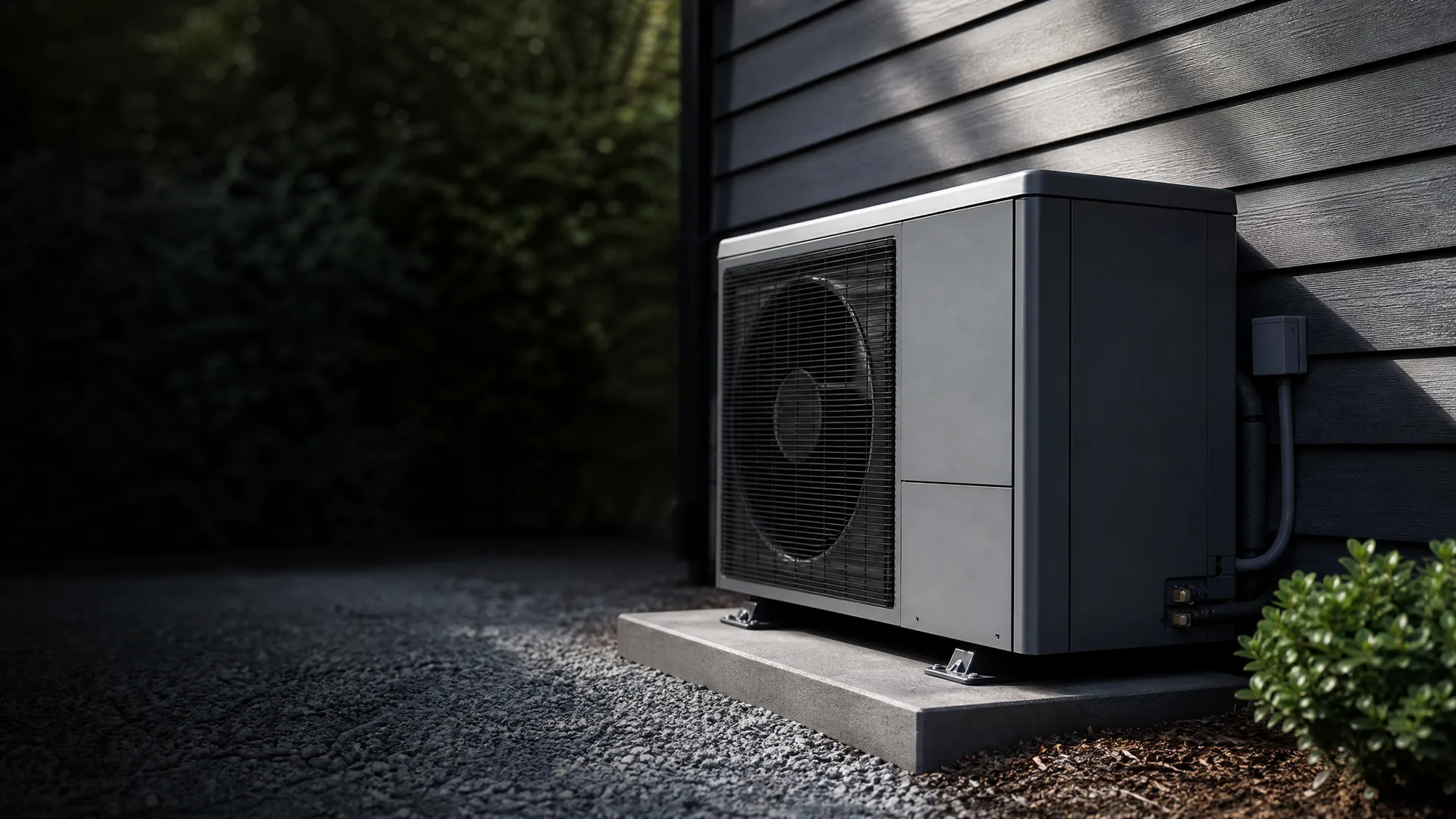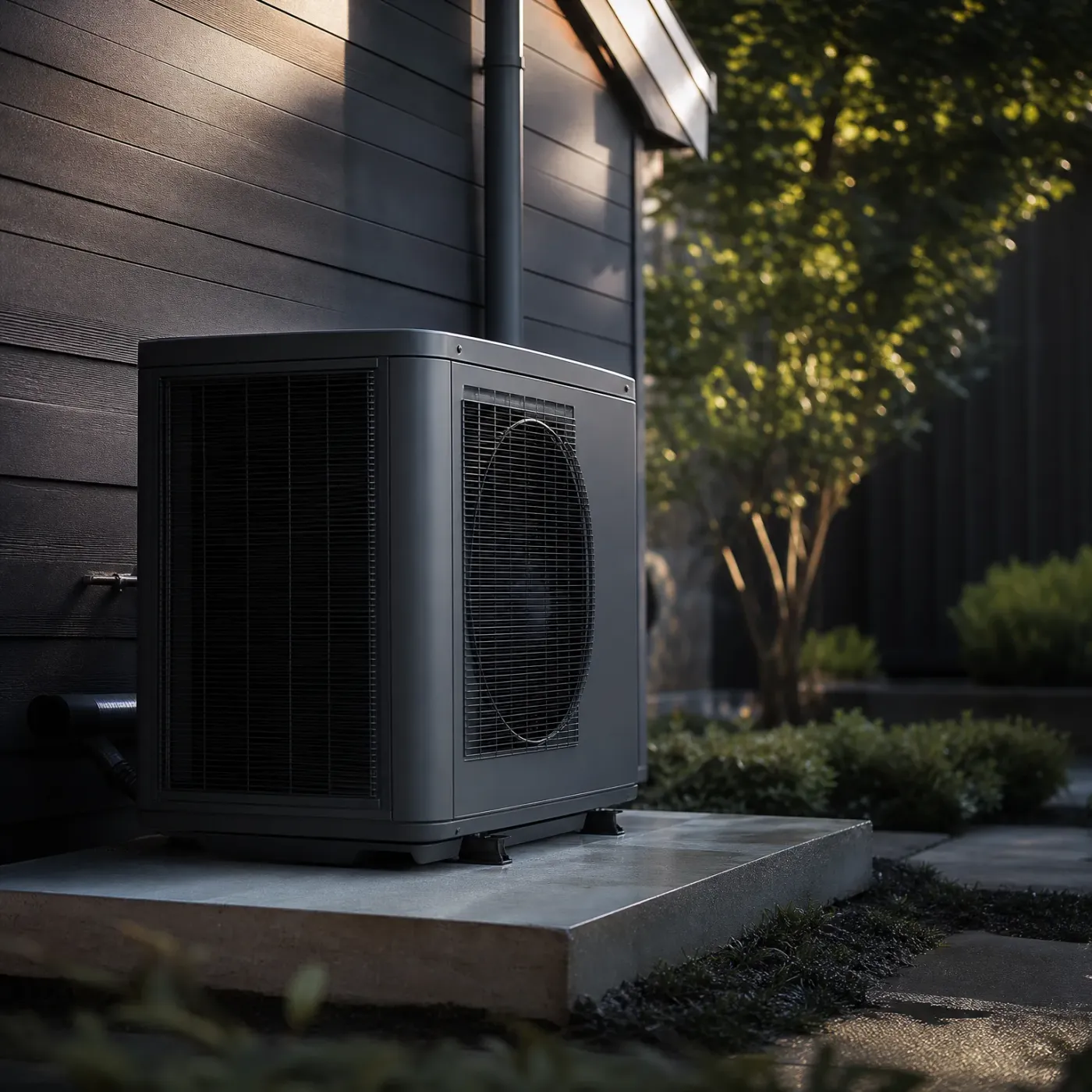






A gray outdoor condenser/heat pump unit with a side fan grille sits on a concrete pad beside a dark horizontal wood-sided house, with shrubs and a small tree nearby.

A pro who works on heat pumps

What size heat pump a New York home needs

Sizing a heat pump isn't just about square footage. Your home's insulation, windows, and how much your gas furnace still carries the load in January all factor in, especially with New York winters and summers that get sticky enough to tax a system on both ends. Get into what actually determines the right size below, then connect with a local contractor who installs these year-round and can size yours correctly.

Connect with a pro

There's no single tonnage that fits every New York home, and a contractor sizing your heat pump correctly will run a load calculation rather than guess from square footage alone. That calculation looks at your insulation, your windows, how many people live there, and what your ductwork can actually move. It matters more here than in milder climates because your winters push the equipment hard on the coldest days, and an oversized unit will short cycle while an undersized one falls behind and leans too much on backup heat, which costs more to run with New York's electric rates. If your home heats with gas and the heat pump is handling cooling and shoulder-season heat, sizing shifts again, since the furnace is covering the deep cold. Summers here get humid enough that a unit sized only for temperature, not moisture removal, will run cold and clammy instead of comfortable. The right size depends on your specific house.

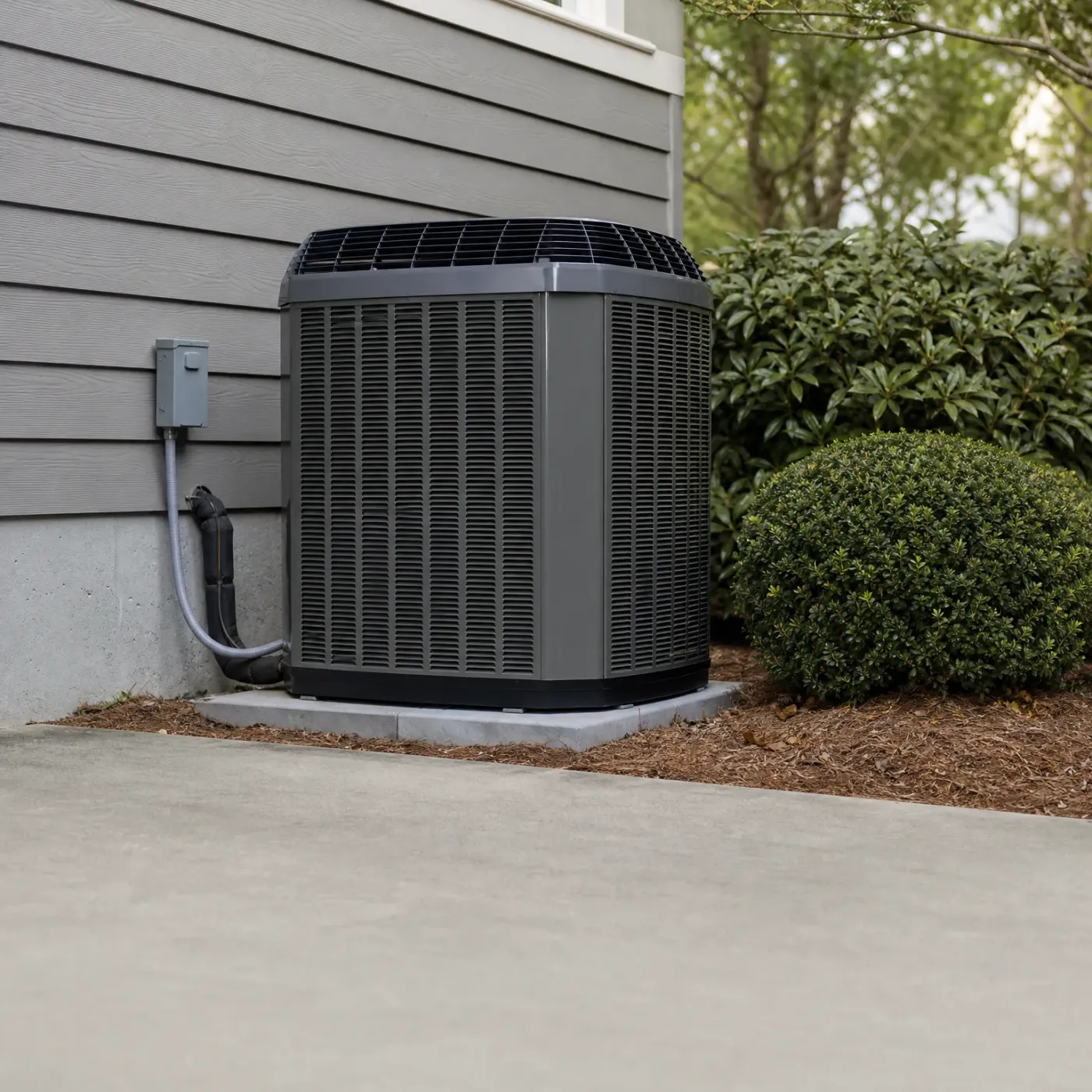
An outdoor condenser unit on a concrete pad beside a gray lap-sided house, with an electrical disconnect box and conduit on the wall and shrubs with mulch to the right.
A properly sized heat pump cycles on, runs steady, and keeps up in both the January cold and the sticky stretch of August without straining.
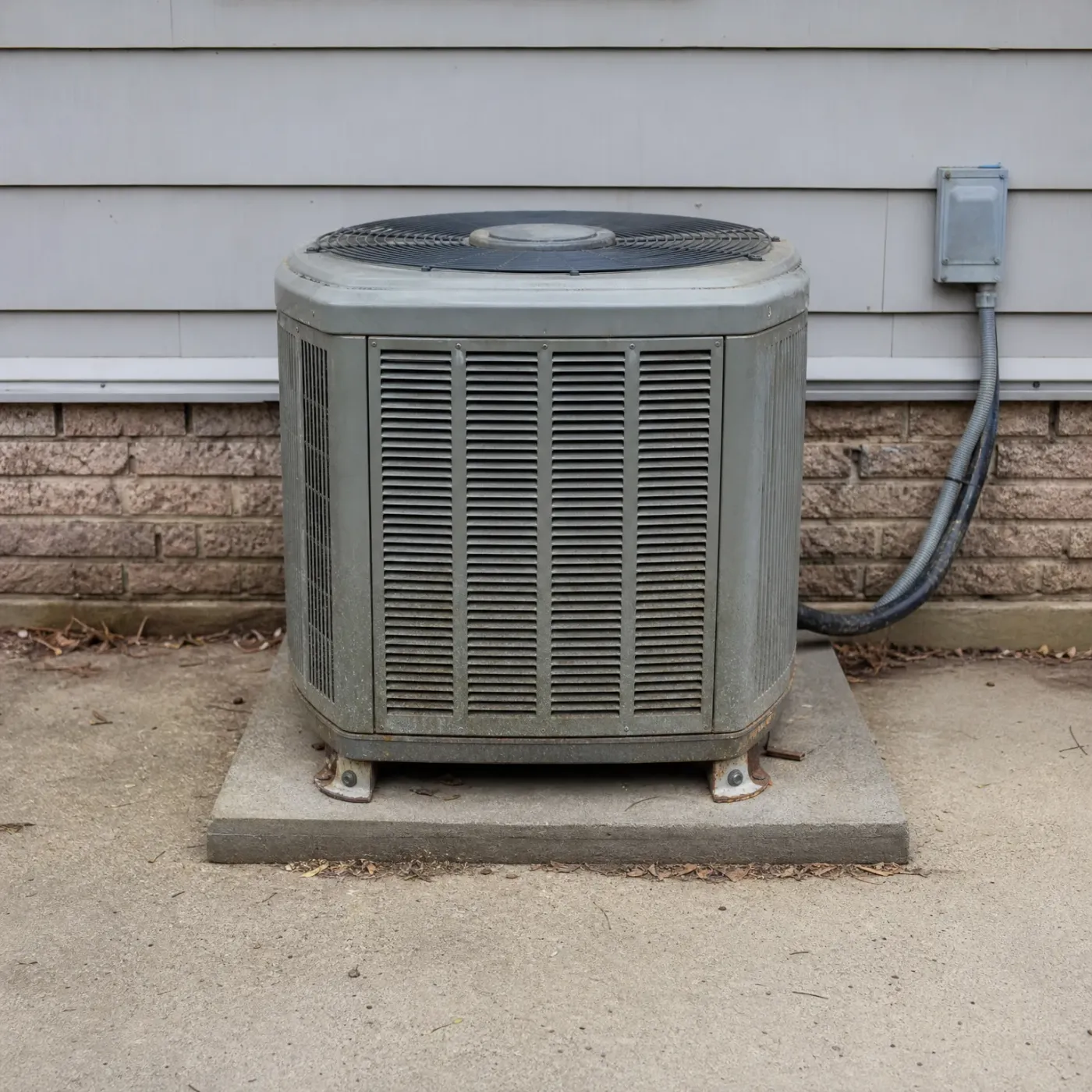
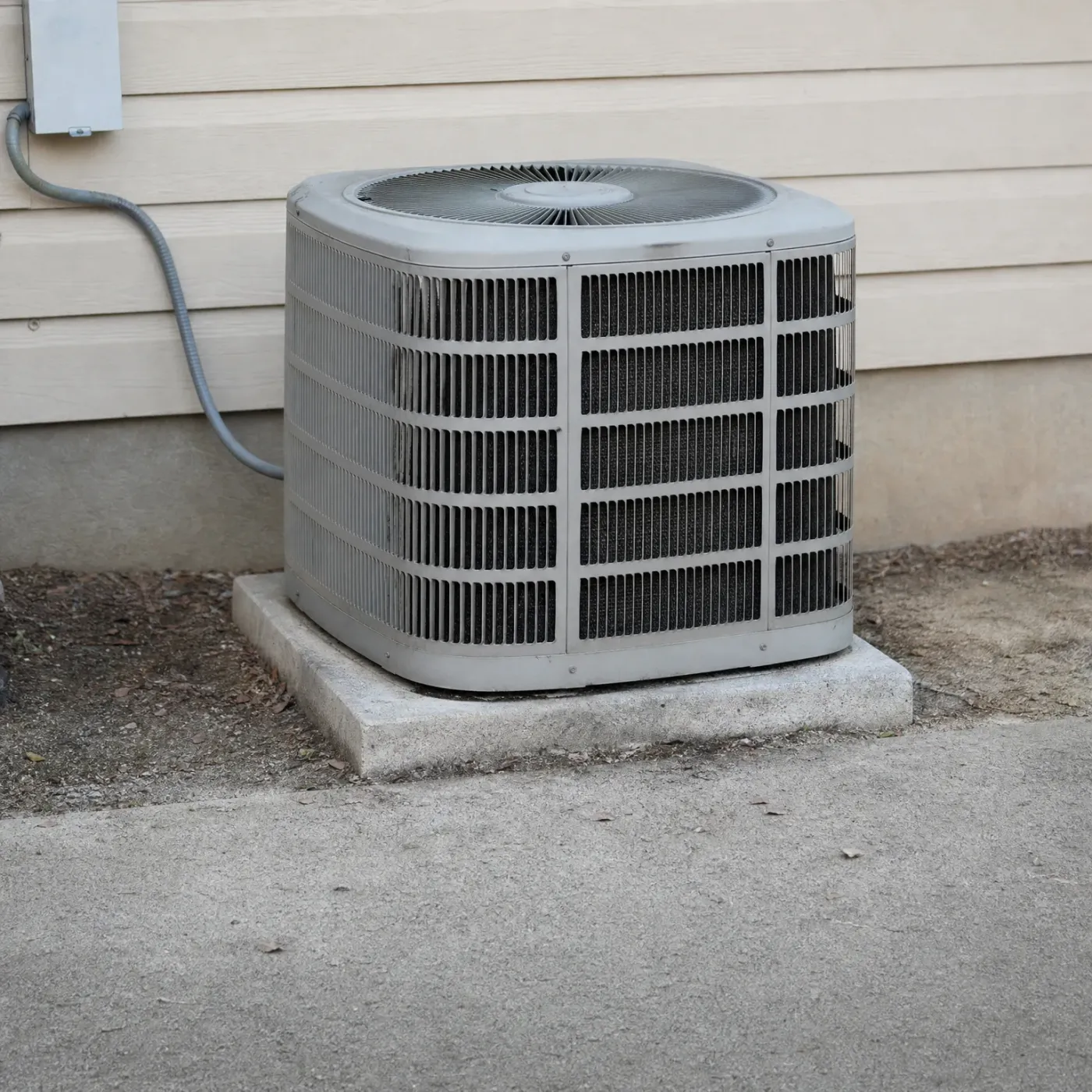
An outdoor air conditioning condenser unit on a concrete pad beside a house with horizontal siding above a brick foundation, with a flexible conduit running to a wall-mounted disconnect box.
An undersized or oversized unit runs dusty and overworked, short-cycling in summer and leaning hard on the gas furnace all winter.

A load calculation starts with the house itself. Square footage, ceiling height, window count, insulation, all of it goes into a number measured in BTUs, not tons. From there a contractor has to think about what the heat pump is actually covering. Since your gas furnace is still in the picture, the heat pump doesn't need to handle every degree on the coldest night of the year. It hands off to the furnace at a balance point, somewhere in the 30s or low 40s outside, and that point depends on both the unit and the house. Sizing for January alone leads to a unit too big for August, cycling on and off instead of running long enough to pull the moisture out of the air. Ductwork matters too. A heat pump pushes a different volume of air than a furnace does, and old ducts built for gas heat can hold back even a unit that was sized correctly on paper. And the tonnage on the nameplate isn't fixed. Capacity drops as the outdoor temperature drops, so what the unit puts out in February is less than what it's rated for on a mild day.

How a contractor actually sizes it

  • A Manual J load calculation weighs your square footage, ceiling height, window count, and insulation to find a BTU number, not a tonnage guess.
  • Since most New York homes keep a gas furnace for backup, the heat pump only needs to cover the load until the furnace takes over at the balance point.
  • That balance point, the outdoor temperature where the heat pump stops keeping up and the furnace kicks in, usually sits somewhere in the 30s or low 40s depending on the unit and the house.
  • Oversizing the heat pump for your coldest January day means it short-cycles all summer, since it was sized for heat, not for the muggy stretch when it has to pull moisture out of the air.
  • A contractor also checks the existing ductwork, because a heat pump moves a different volume of air than a gas furnace and undersized ducts choke even a correctly sized unit.
  • The outdoor unit's rated capacity drops as the temperature drops, so the nameplate tonnage on a mild day isn't what you're actually getting in February.
A gray-haired, bearded man in a dark coat dusted with snow stands smiling in a dimly lit room with a lamp, mirror, framed art, and a sofa in the background.
An older man with white hair and a beard, wearing a dark snow-dusted coat and scarf, stands in a warmly lit interior hallway with a framed landscape picture, a table lamp and a potted plant behind him, and a snowy view through a window at left.
An older man in a dark snow-flecked overcoat and scarf stands smiling in a warmly lit home entryway, with a glass-paned door showing darkness outside and a lamp-lit room visible through a doorway behind him.
An older man with gray hair and a beard, wearing a dark snow-dusted jacket and scarf, stands smiling in a warmly lit interior hallway with a lit table lamp, a vase of dried branches, and a framed picture in the background.

What oversizing actually costs you

A heat pump that's too big for the house cools the air fast but doesn't run long enough to pull the moisture out of it. You end up with a room that reads 72 on the thermostat but still feels damp, which matters in a New York August more than the number does. The same oversized unit short-cycles in winter too, kicking on and off instead of running a long steady stretch at low output, which is where a heat pump is most efficient. More starts and stops means more wear on the compressor over the years you own it. With electricity priced the way it is here, a unit that's cycling instead of running steady is also a unit costing more to operate than its tonnage would suggest.

Why the furnace changes the math

Where the gas furnace steps in changes what the heat pump actually needs to cover. If the furnace is set to take over once outdoor temperatures drop below a certain point, the heat pump is only sized to carry the load above that point, not the full January design temperature. Two homes with identical square footage can end up with different tonnage recommendations because one furnace handoff is set higher than the other. This is also why a contractor asks about the furnace's condition and its output before finalizing a number. A heat pump sized without accounting for that handoff point is either doing work it was never meant to carry alone or sitting oversized for most of the year it runs.

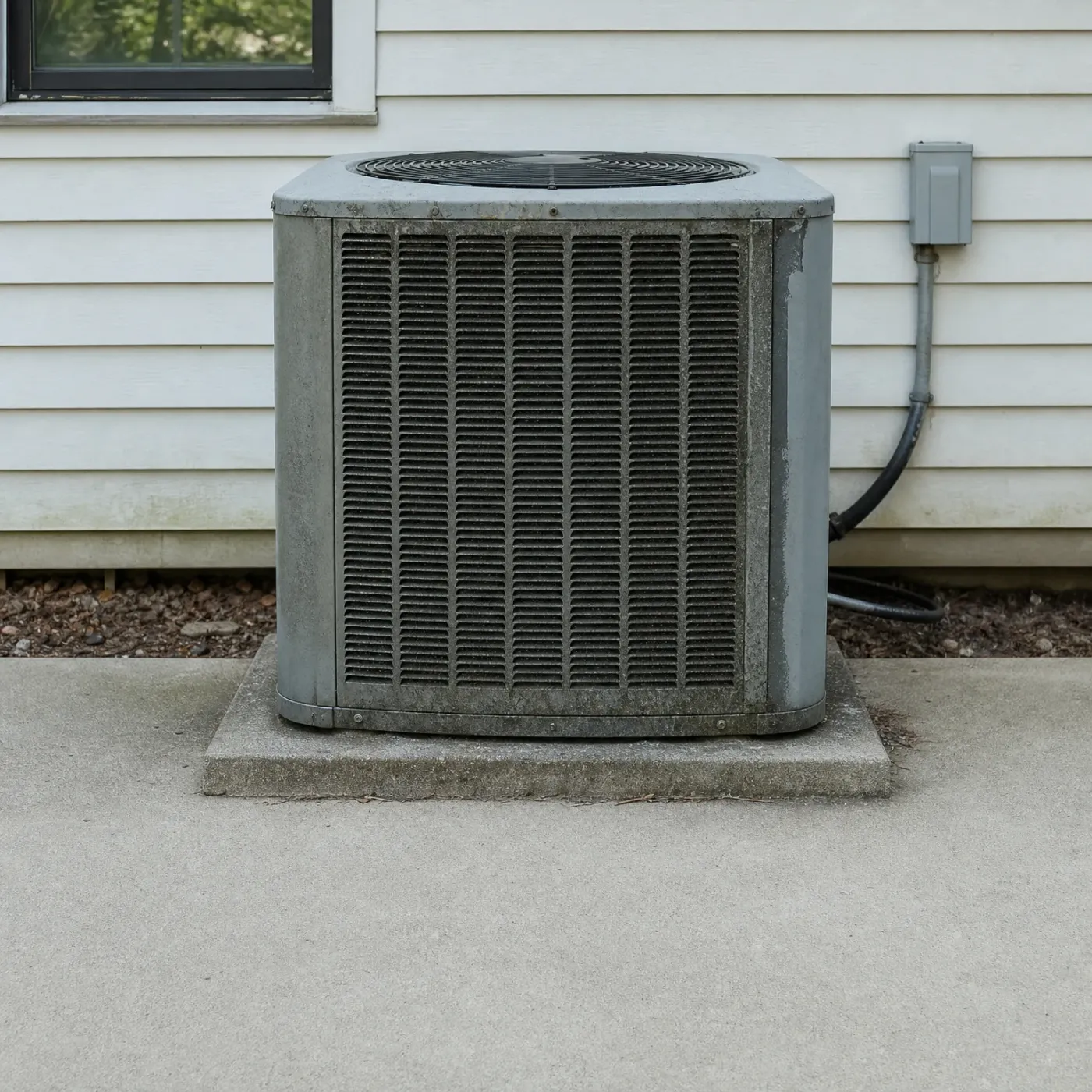
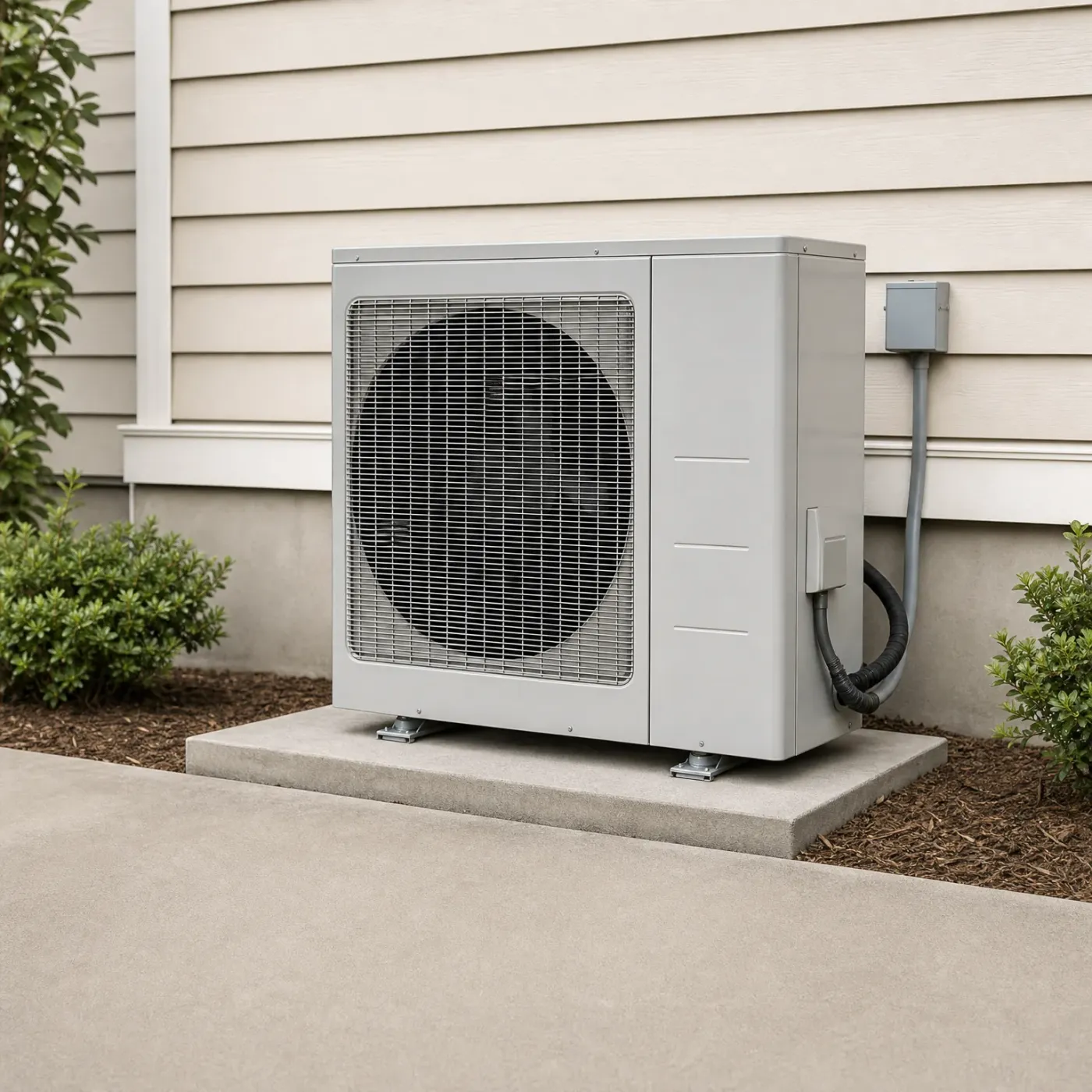
A gray outdoor air conditioning condenser unit on a concrete pad beside a house with light vinyl siding, with a gray electrical disconnect box and conduit on the wall to the right.
Before you get your heat pump installation
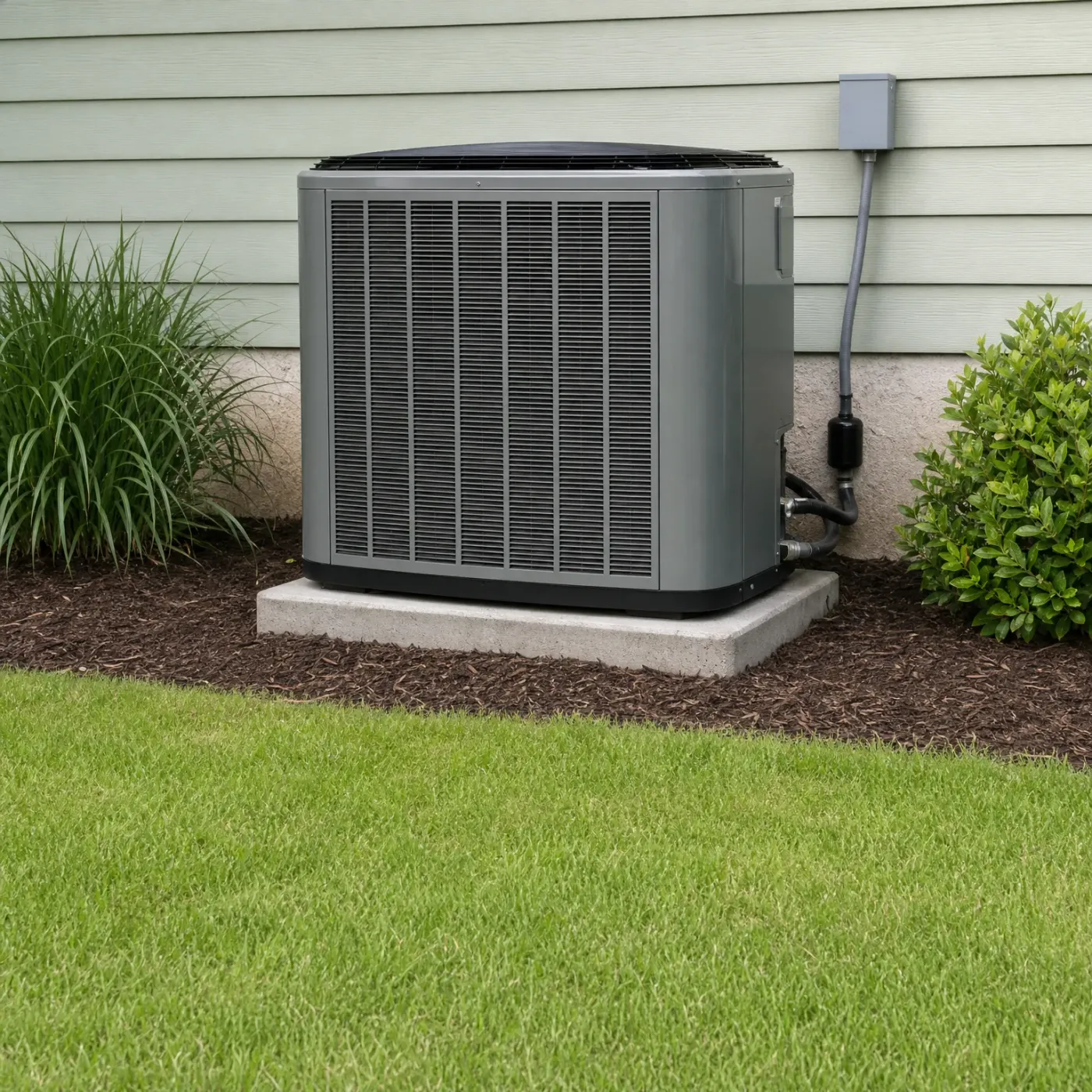
A gray outdoor condenser unit on a concrete pad beside a light-green sided house, surrounded by mulch, ornamental grasses and a shrub, with mowed lawn in the foreground.
After you get your heat pump installation

Get your heat pump to the right pro

Getting the tonnage right on paper is one thing. Getting a contractor who will actually measure your windows, count your ceiling height, and check how much your gas furnace still has to pick up in January is another. That's the part that decides whether the number on the install sheet matches what your house needs or just what was quick to guess. A local contractor who sizes heat pumps every season in New York knows how often a system gets installed off square footage alone, and what that costs a homeowner once summer humidity or a hard freeze shows up the gap. Sending your details to one contractor, matched to your home instead of spread across several, means whoever calls you back already has a reason to get the load calculation right the first time. With power costs what they are here, an undersized or oversized unit isn't a small mistake to live with. Handing this off now means the sizing gets settled before the next stretch of sticky days or cold mornings tests it.

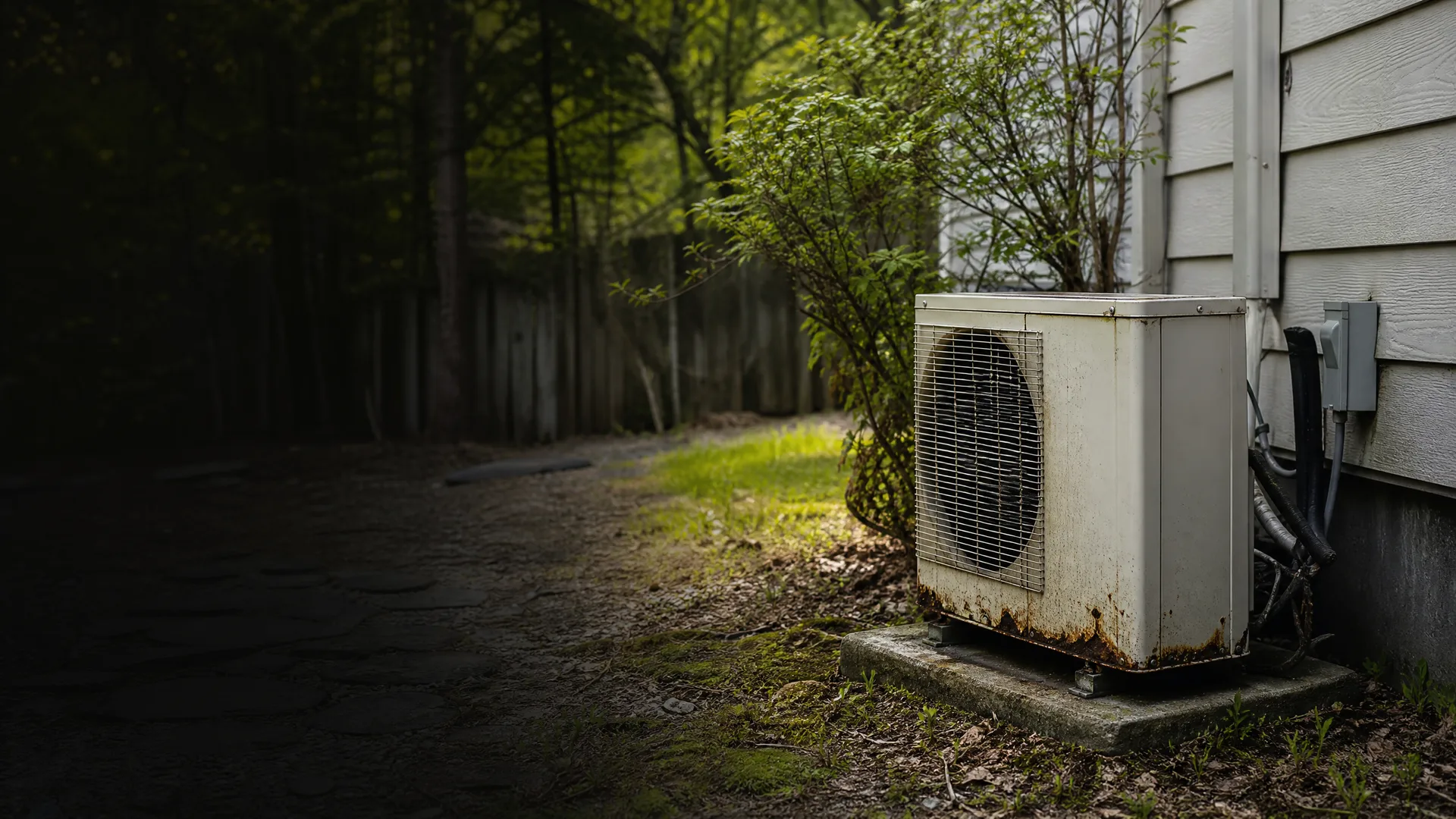
A weathered, rust-streaked outdoor heat pump unit on a concrete pad beside a house with horizontal siding, with shrubs, moss and a dim wooded yard and fence to the left.

You're out in the side yard on one of the first warm days of spring, coiling the garden hose, when you notice the outdoor unit sitting against the fence. Rust has crept along the base of it, flaking where the metal meets the concrete pad. You crouch down to look closer. It's the same unit that's been there since before you moved in, humming along through winters and summers without much thought from you. You find yourself wondering how many more Augusts it has in it, whether the rust is just surface or something underneath. You stand back up, leave it for now, and head inside, but the thought stays with you for the rest of the afternoon.

Right-Sized vs. Wrong-Sized Heat Pump

Right-sized

  • It cycles on, runs for a stretch, and shuts off, which is what pulls humidity out of the air in a muggy August.
  • The gas furnace only has to cover the gap in January, so it isn't straining to make up for a heat pump that quit too early.
  • Rooms hold steady at the temperature on the thermostat instead of swinging a few degrees as the unit catches up.
  • Parts like the compressor aren't starting and stopping more than they have to, which matters for how long they last.
  • Your electric bill reflects the tonnage you actually need, which counts for more here given New York's power rates.

Wrong-sized

  • An oversized unit blasts cold air fast, satisfies the thermostat, and shuts off before it's run long enough to dry the air.
  • An undersized unit runs nearly nonstop in summer and still can't keep up, pushing more of the January load onto the furnace than it should carry.
  • Short-cycling wears on the compressor and other parts faster than a system that runs full cycles.
  • Rooms can read the right number on the thermostat and still feel damp or drafty depending on which way it's wrong.
  • Either mistake shows up on the power bill, since a unit working against its size uses more electricity to deliver less comfort.
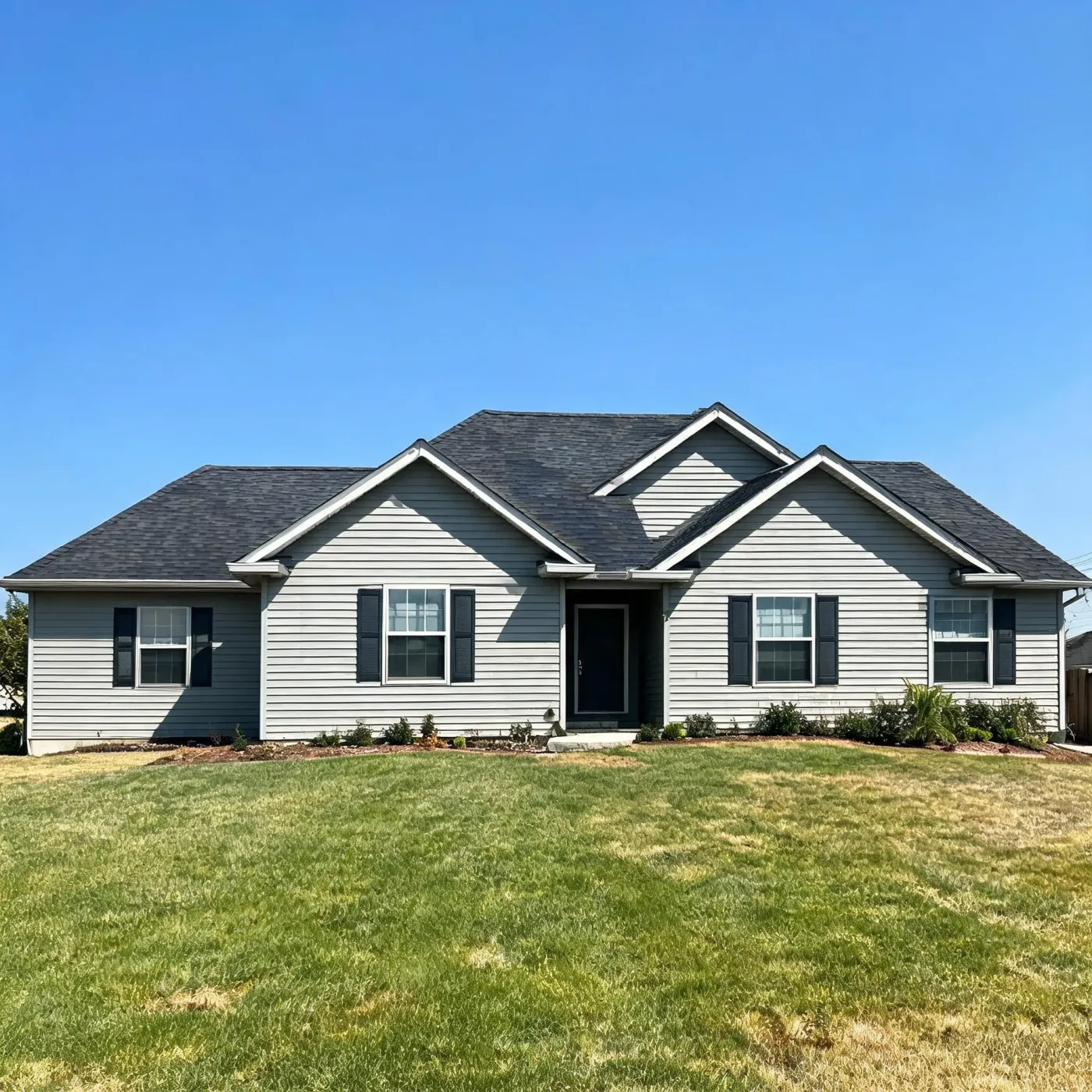
A single-story house with light gray horizontal siding, dark gray shingled gables, black shutters and a dark front door, fronted by a mulched bed of small shrubs and a large lawn under a clear blue sky.

A 62°F dew point is what the air averages across June, July and August in New York, per NOAA climate normals. That's thick air, the kind that sits on your skin even in the shade. A heat pump sized right for your home will run long enough in that stretch to wring the moisture out of it, not just chase the thermostat number down. If it's undersized, it'll run nonstop and still leave the house feeling damp. If it's oversized, it cools the air fast, shuts off, and leaves that same clammy feeling behind. Either way, you notice it on the couch before you notice it on the thermostat.

NASA POWER T2MDEW county cells weighted by homes

A woman wrapped in a cream textured blanket sits in an armchair beside a lit lamp and a dark window, with an open book in the foreground.
A bearded man in a plaid flannel shirt stands indoors looking out a frost-covered window, with a steaming dark blue mug on the wooden sill and snow-covered trees outside.

Sizing off square footage alone

A contractor who quotes a tonnage over the phone from your home's square footage is guessing. Two houses the same size can need different size heat pumps depending on how many windows face west, how high the ceilings run, and what kind of shape the insulation is in. That guess might land close. It might also leave you with a unit that short-cycles in August and can't keep up with a cold snap in January, and you won't know which until you're living with it through a full year in New York.
Sizing from a load calculation

A Manual J calculation walks through your actual house: square footage, ceiling height, window count, insulation, and how much your gas furnace still needs to cover in the coldest months. It turns those details into a BTU number specific to your home rather than a tonnage pulled from a chart. It takes longer than a phone quote. It also means the unit installed is sized to how your house holds heat and humidity, not to an average of houses like it.

Power costs 26.39 cents per kilowatt-hour statewide

At 26.39 cents per kilowatt-hour, every hour your heat pump runs oversized and short-cycling shows up on the bill fast. Getting the tonnage right isn't just about comfort here, it's what keeps those hours from adding up against some of the highest power rates in the country.

EIA-861 2025 statewide residential average

A gray outdoor heat pump unit on a concrete pad beside a house with horizontal lap siding, connected by conduit and a flexible line to a wall-mounted disconnect box, with low shrubs and mulch nearby.

Sized right

The unit cycles on, runs its stretch, and shuts off clean. The pad underneath stays clear, the line set runs tight to the disconnect, and the shrubs around it never feel the heat it throws. It's doing its job and nothing more.

An outdoor air conditioner condenser unit on a concrete pad beside a house with beige horizontal siding, with conduit running from an electrical box on the wall.

Struggling to keep up

This one's been leaning hard against that wall, running long after it should've shut off. The conduit and disconnect take the brunt of it, and a unit worked this way wears out its parts well before it should.

A man in a dark blue shirt stands in an open front doorway of a stucco and wood-clad house, facing a blond woman seen from behind in the foreground on a stone walkway.

The right size is the one that matches your house, not your neighbor's

A Manual J calculation gives you a BTU number built from your windows, your insulation, your ceiling height, and how much your gas furnace still has to carry in January. That number is yours. It won't match the house next door even if the square footage is identical, and a contractor who skips that math is guessing at a figure that costs you either way, in a damp living room in August or a higher bill every month after.

A local contractor who installs these year-round has seen what happens when the sizing is off in a New York house, and knows which measurements actually move that BTU number here. Getting matched with one means someone who's run this calculation on homes like yours before reaches out directly, and you're not fielding calls from three different companies while you try to compare numbers you have no way to check against each other.

Interior corner of a living room with a beige upholstered sofa and dark cushion in the foreground, a ceramic vase of leafy branches on a dark side table by a curtained window, a framed picture on the wall, and a wood-surround fireplace at right.
A gray outdoor heat pump unit mounted on a concrete pad beside a dark horizontal-slat clad house wall, with gravel ground and shrubs nearby.

The right pro for this job

Step 1 of 3: Equipment