What a heat pump tune-up covers in New York

Step 1 of 3: Equipment

A heat pump tune-up in New York checks the things that make the system struggle through both jobs it has to do here, heating the house in January and cooling it in August. A technician checks the refrigerant charge, since a low charge makes the unit run longer and work harder in both directions. They check the outdoor coil and defrost control, because a heat pump that can't defrost itself properly will ice over in the cold and lose heat when you need it most. They check electrical connections, the condensate drain, and airflow across the indoor coil, since weak airflow cuts efficiency in summer and strains the system in winter alike. They test that the system switches cleanly between heating and cooling, since that reversing valve is the one part a furnace never has to deal with. The point of all this is catching a part that's wearing out before it fails on the coldest or stickiest day of the year.

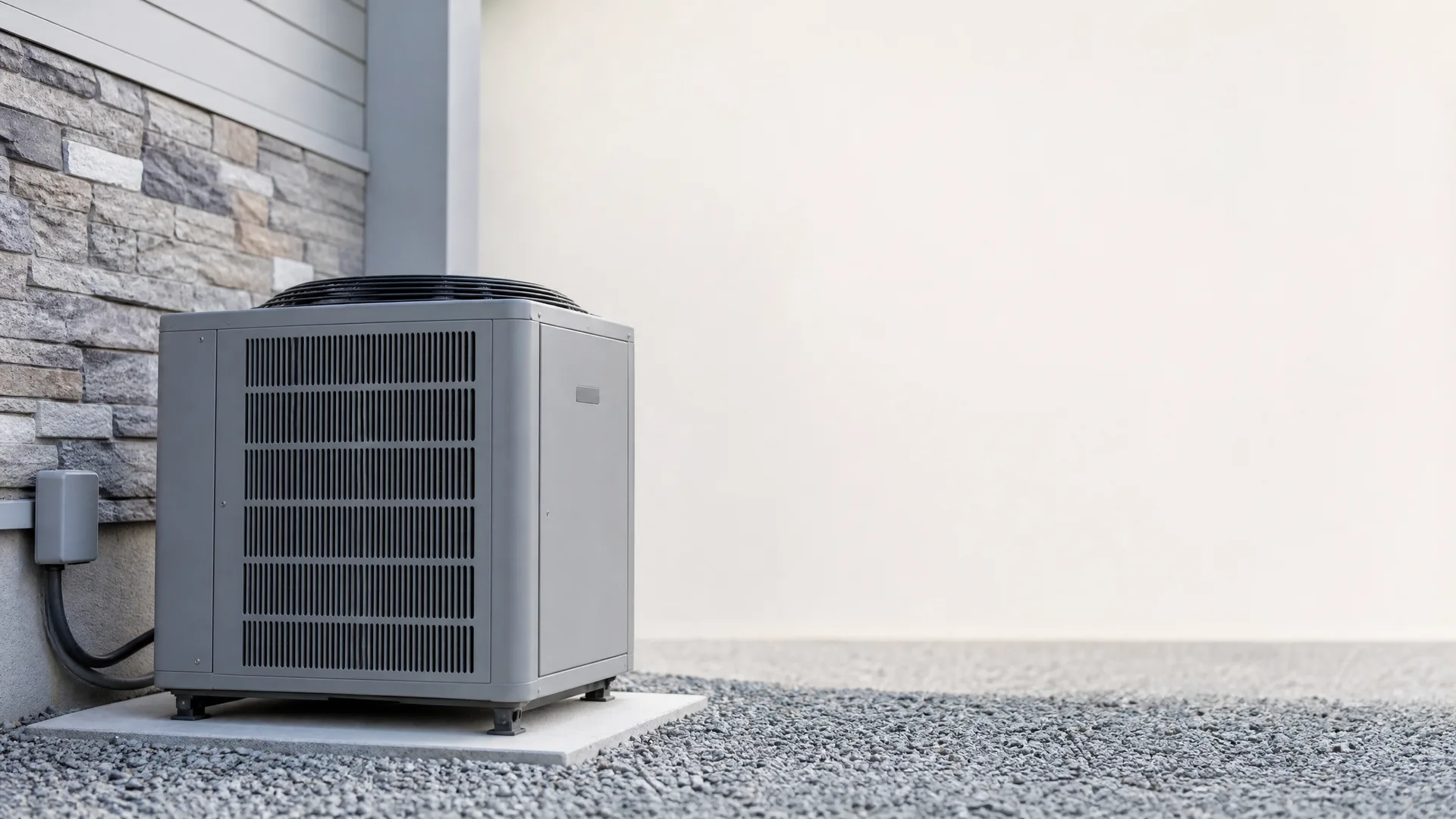
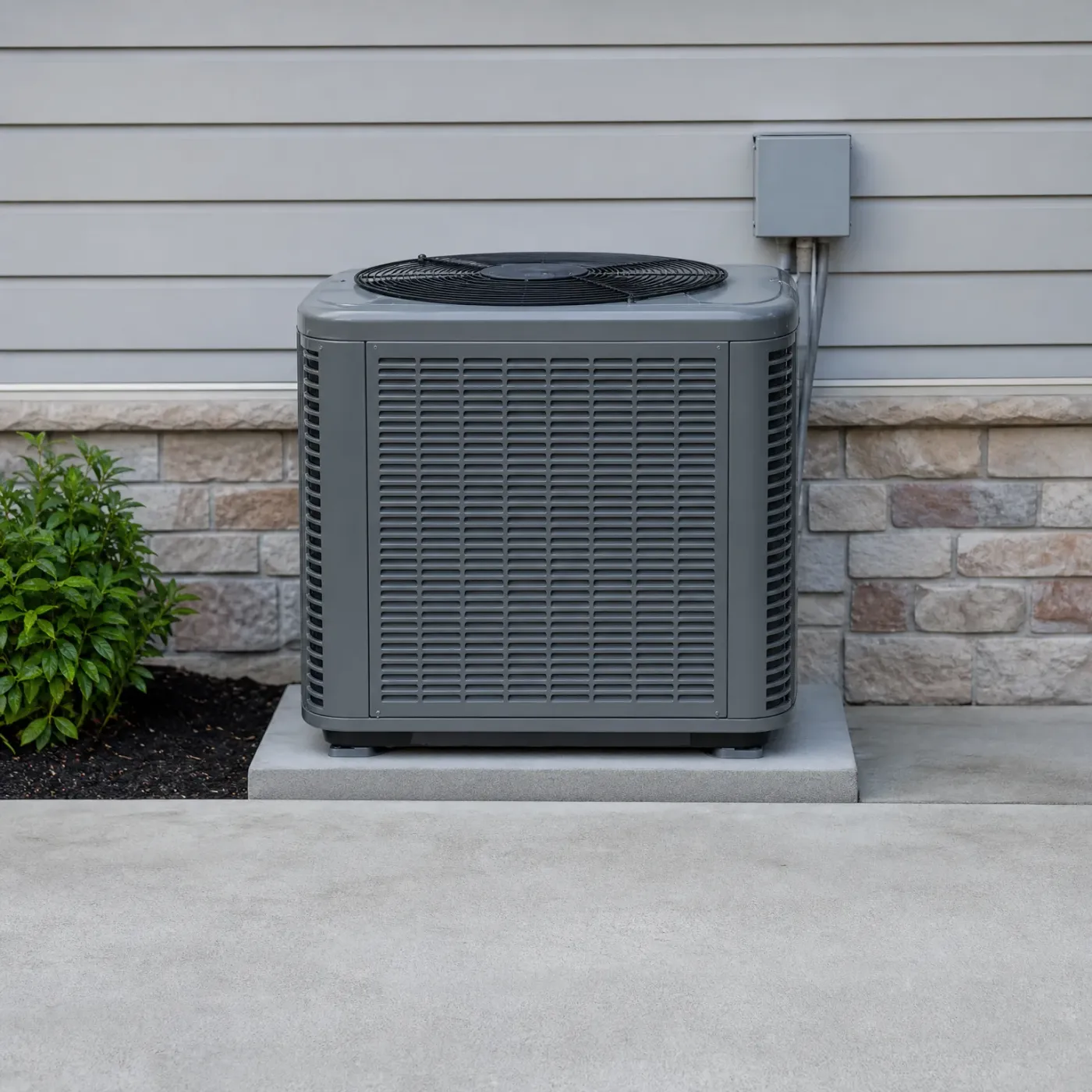
A gray outdoor condenser unit on a concrete pad beside a house with stacked stone and horizontal siding, surrounded by gray gravel and a plain light wall.

Why the reversing valve matters

The reversing valve is what lets one system heat in January and cool in August. It switches the refrigerant flow so the outdoor coil and indoor coil trade jobs depending on the season. If it sticks, the system can get stuck cooling on a cold morning or heating on a sticky one. A technician checks that it shifts cleanly both ways, since that part doesn't exist in a gas furnace and gets skipped by anyone used to working on those.

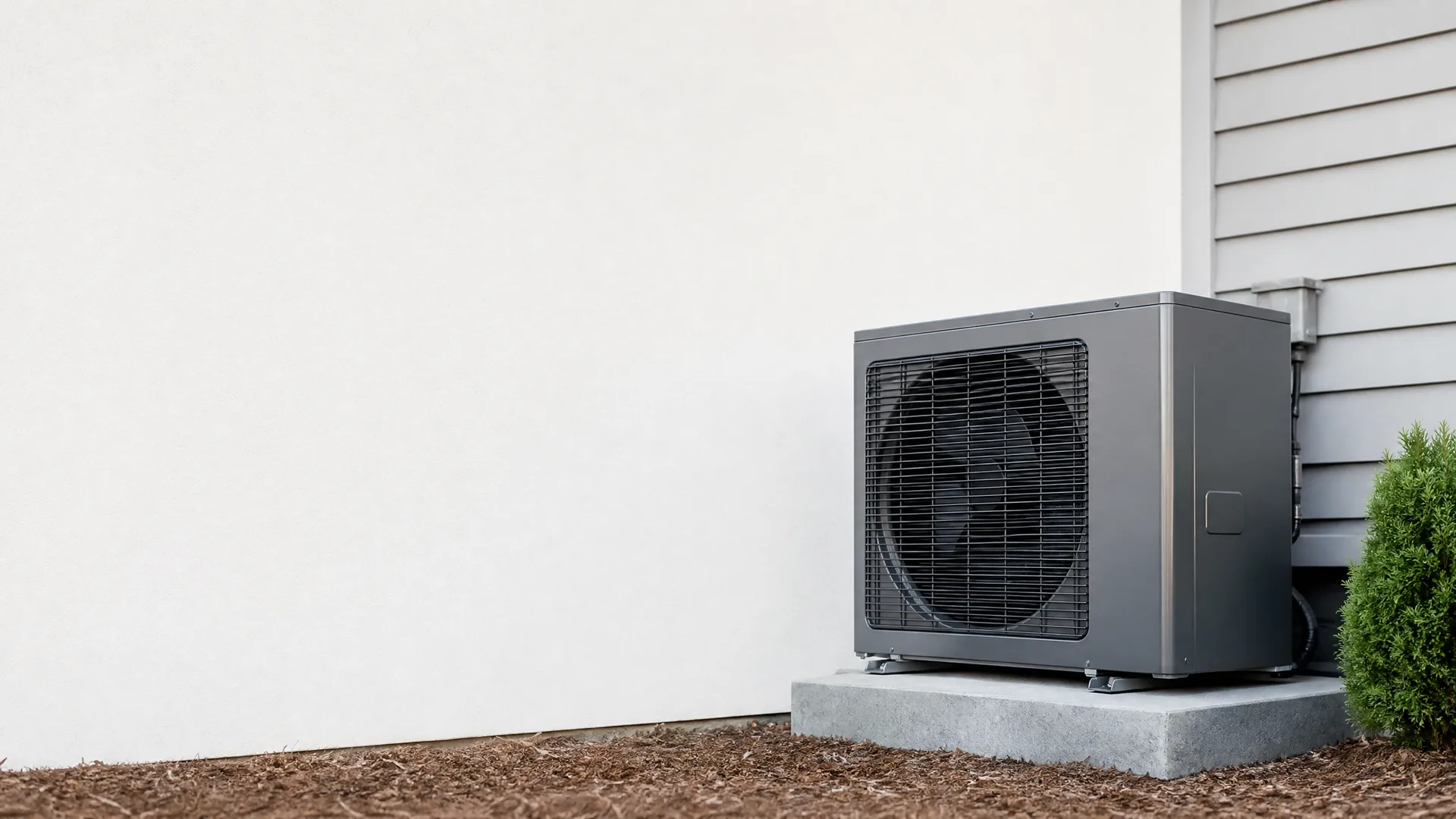
A dark gray outdoor heat pump unit sits on a concrete pad beside a white stucco wall and lap-sided house corner, with mulch and a small shrub in the foreground.

Defrost cycle keeps it running

New York winters put frost on the outdoor coil, and the heat pump has to melt it off without losing heat inside the house. A control board tells it when to run that defrost cycle, based on coil temperature and run time. A tune-up checks that this control is reading the sensor correctly and triggering defrost on schedule. A unit that defrosts too often wastes power on New York's rates; one that defrosts too rarely iced over by February.

Is your heat pump keeping up this winter?

You might notice the air coming out of the vents feels cooler than it used to, or the unit runs longer to reach the same temperature. Maybe you hear it click into a labored hum when it switches between heating and cooling, or ice builds up on the outdoor unit and doesn't clear on its own during a thaw. Some homeowners catch a burning smell near the air handler, or see the system short cycle, turning off and on every few minutes instead of running a steady stretch. Left alone, a struggling heat pump pulls more power to do the same job, and with electricity costing what it does here, that shows up fast on the bill. It can also mean the house just doesn't get warm on the coldest nights.

A gray outdoor condenser unit sits on a concrete pad against a house wall with horizontal siding above a stone veneer base, with an electrical disconnect box and conduit on the wall and a leafy shrub in mulch to the left.

Running the way it should

This is a heat pump that's kept up. The coil outside is clean, the pad is level, and the lines running to the house are wrapped tight. It'll switch between heating and cooling without a fight, and it'll hold up through a New York winter and the sticky months that follow.
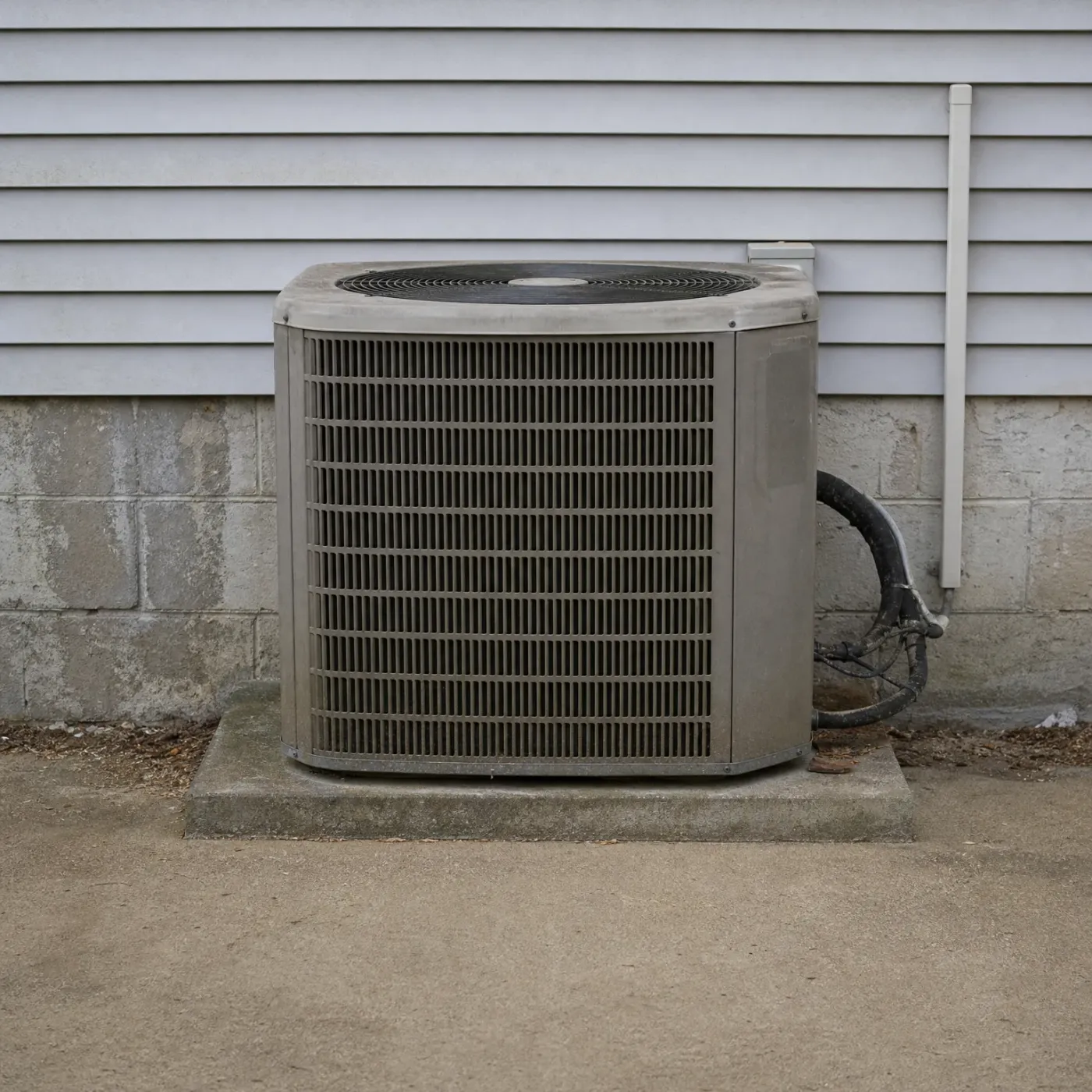
An outdoor air conditioner condenser unit on a concrete pad beside a house with horizontal siding above a concrete block foundation, with insulated refrigerant lines and a vertical white pipe on the wall.

Falling behind

Weathering like this usually comes with a drop in performance, not just looks. Exposed lines along the foundation can lose their insulation, and an older unit working harder than it should will show up on a power bill that's already high here. Left alone, a strained compressor is what fails next.

Tune-Up or Take Your Chances

With a tune-up

  • A technician catches a refrigerant charge that's drifted low before it forces the compressor to run longer than it should in January.
  • The reversing valve gets tested so it switches cleanly between heating and cooling instead of sticking partway.
  • A clean outdoor coil can actually pull heat from cold air, which is the part of the job that's hardest on the system in winter.
  • Electrical connections get checked, which matters since a loose one can take the whole unit down during a cold snap.
  • You find out about a failing part when it's a scheduled visit, not when it's thirty degrees out and the heat's not coming on.

Without one

  • A low refrigerant charge keeps costing you on the power bill every month it goes unnoticed, and power here isn't cheap.
  • A dirty outdoor coil makes the system work harder to pull heat from winter air, so it runs longer for the same result.
  • A reversing valve that's starting to stick can leave you with cool air blowing when you need heat, or the reverse in August.
  • Debris and ice around the outdoor unit go unnoticed until they're blocking airflow enough to shut the system down.
  • Small problems, a weak contactor, a clogged drain, turn into a no-heat or no-cool call on the day you least want one.
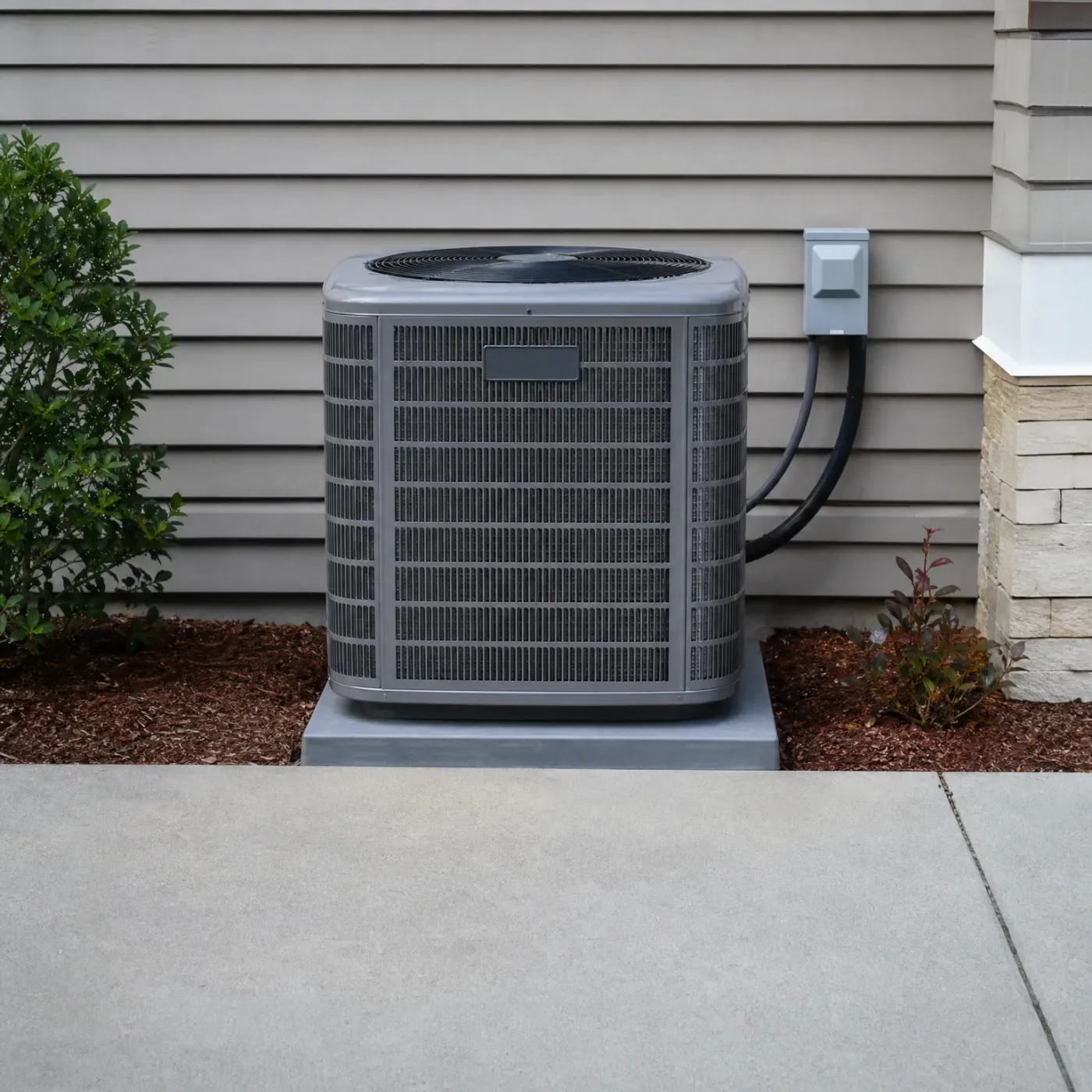
A gray outdoor condenser unit sits on a concrete pad beside a house with horizontal lap siding, with a wall-mounted disconnect box and refrigerant lines, mulched beds and a shrub nearby, and a concrete walkway in the foreground.

Maintained and holding steady

The coil behind the mulch bed is clean, so air moves through it the way it should. The conduit running to the disconnect is secure, and the unit sits level on its pad. A system kept up like this switches between heating and cooling without strain, through a sticky August and a cold January alike.

An outdoor air conditioning condenser unit with dusty coils sits on a concrete pad against light horizontal siding, with an electrical disconnect box and refrigerant lines on the wall and a shrub and mulch at left.

Neglected and showing it

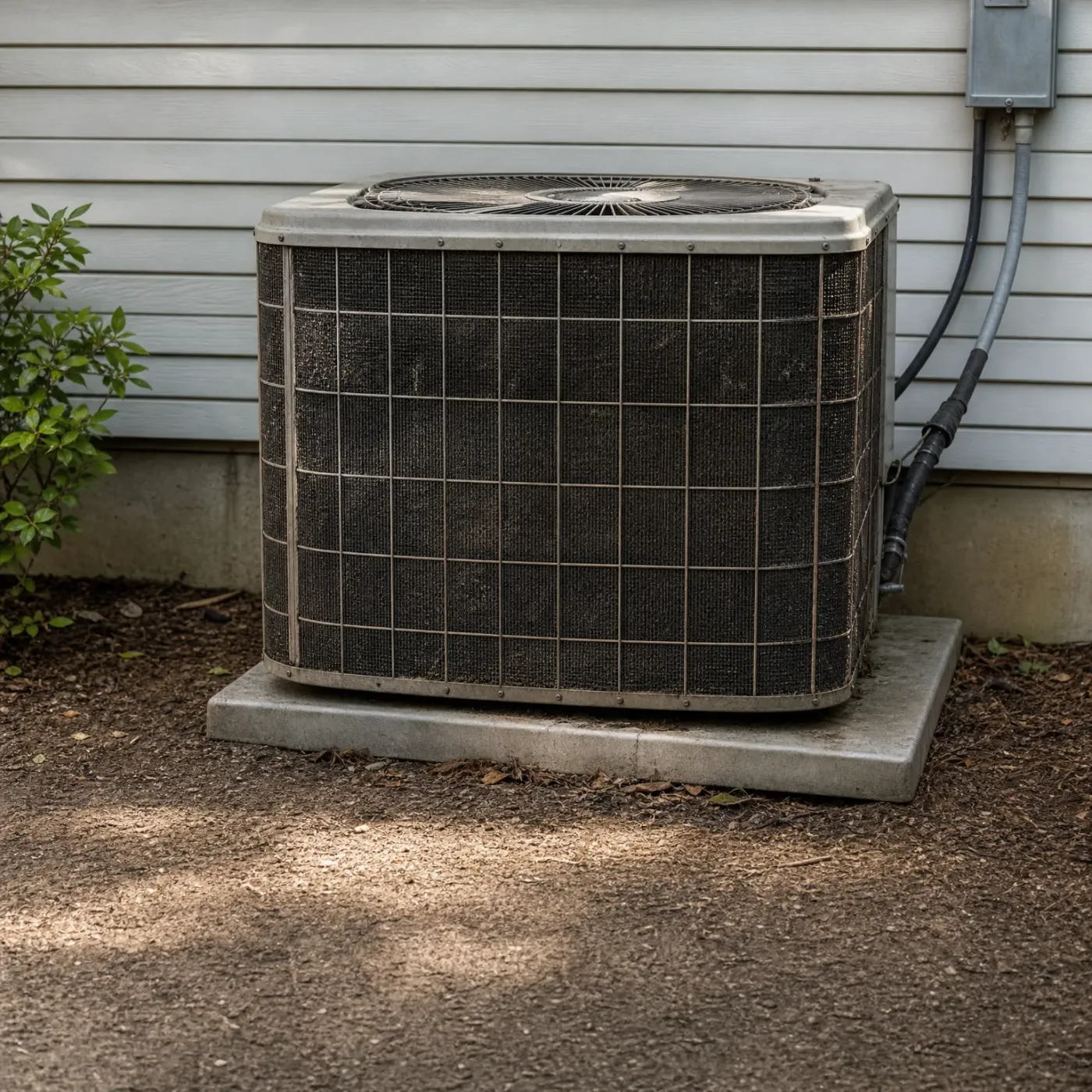
Years of dirt have built up on this coil, thick enough to block airflow the fins need. The ground around the pad has gone bare, and nothing here suggests anyone has looked at the refrigerant lines in a while. A unit this soiled works harder for less heat and less cooling, and it costs more in electricity to do it.

A bearded man in a dark navy sweater over a collared shirt smiles and looks off to the side while seated at a dinner table with a glass of red wine, a lit candle, and a plate of food in the foreground of a dimly lit room.
A woman in a dark gray sweater reclines on a couch with her eyes closed and a knit blanket over her lap, an open book resting face-down in front of her, with a lit table lamp and shelving blurred in the background.

Explain it one time

A licensed local pro takes the request for your heat pump tune-up.

You only hire the pro if you want to.

What a tune-up actually checks

  • A tech checks superheat and subcooling readings instead of just the gauge pressure, since pressure alone can hide a charge that's off.
  • Defrost control gets tested by forcing a cycle, because a sensor that misreads coil temperature will either skip defrost or run it too long.
  • The outdoor coil gets cleaned of anything packed into the fins, since restricted airflow there hurts both heating and cooling capacity.
  • Electrical connections at the contactor and the compressor terminals get tightened, since a loose one heats up and can burn the wire.
  • The crankcase heater gets checked, since it keeps refrigerant from pooling in the compressor oil on cold nights.
  • Line set insulation gets inspected for gaps, since bare refrigerant line loses efficiency fast in both January and August.

Gauge pressure alone can look normal on a system that's actually low on charge. That's why a technician reads superheat and subcooling instead, numbers that show what the refrigerant is doing on both sides of the cycle. Defrost control gets a real test too. The system is forced into a defrost cycle to see if the sensor reading coil temperature is doing its job. If that sensor misreads, the unit either skips defrost it needs on a cold January night or runs defrost longer than it should, wasting the heat it just made. Outside, the coil gets cleaned out. Anything packed into the fins, leaves, mulch, grass clippings, cuts down the airflow the coil depends on, and that hurts the system whether it's pulling heat out of the air in winter or dumping heat into it in August. Inside the electrical panel, the contactor and the compressor terminals get checked and tightened. A loose connection runs hot, and a wire that keeps heating up eventually fails. The crankcase heater gets checked as well, since its job is keeping refrigerant from pooling in the compressor oil on the coldest nights, something that matters more here than it would somewhere that doesn't see single digits. Last, the line set gets a look for gaps in the insulation. Bare refrigerant line loses efficiency fast, and with what power costs in New York, that loss shows up on the bill both seasons.

Power costs 26.39 cents per kilowatt-hour statewide

A heat pump leans on electricity for both jobs, heating and cooling, so every cent per kilowatt-hour counts twice. At that rate, a system that's drifted out of tune and runs longer than it needs to shows up fast on your bill, especially through a long January.

EIA-861 2025 statewide residential average

Skip the tune-up, and a drifted refrigerant charge or a sticking reversing valve just keeps costing you, cycle after cycle, until something fails outright in the middle of a cold snap.

Keep the tune-up current, and a local tech who works on these units every season catches the drift before it costs you, through one call instead of three estimates.

A woman in a cream sweater with her hair in a bun laughs while seated at a stone counter holding a glass of red wine, in a dimly lit interior with a sofa, houseplants and a large window at night.
A woman with long dark hair in a cream knit sweater laughs while looking off to the side, seated in front of a dimly lit kitchen with an island, stools, open shelving and a potted plant, with a glass of red wine in the foreground.
A smiling woman with long dark wavy hair in a light knit sweater sits at a marble counter with a glass of red wine, with a dimly lit living room and kitchen in the background.
A smiling woman with long wavy brown hair in a beige sweater sits at a white marble counter with a glass of red wine, with a living room, dining table and kitchen cabinets behind her.

Finding someone yourself

You'd be calling around, explaining the same thing to each company, then stacking up quotes to figure out who actually knows heat pumps instead of just furnaces.

Skip the search

One local match

One licensed New York contractor who services heat pumps all year, through the switch to heating in fall and back to cooling in spring, gets the call instead.

Skip the search
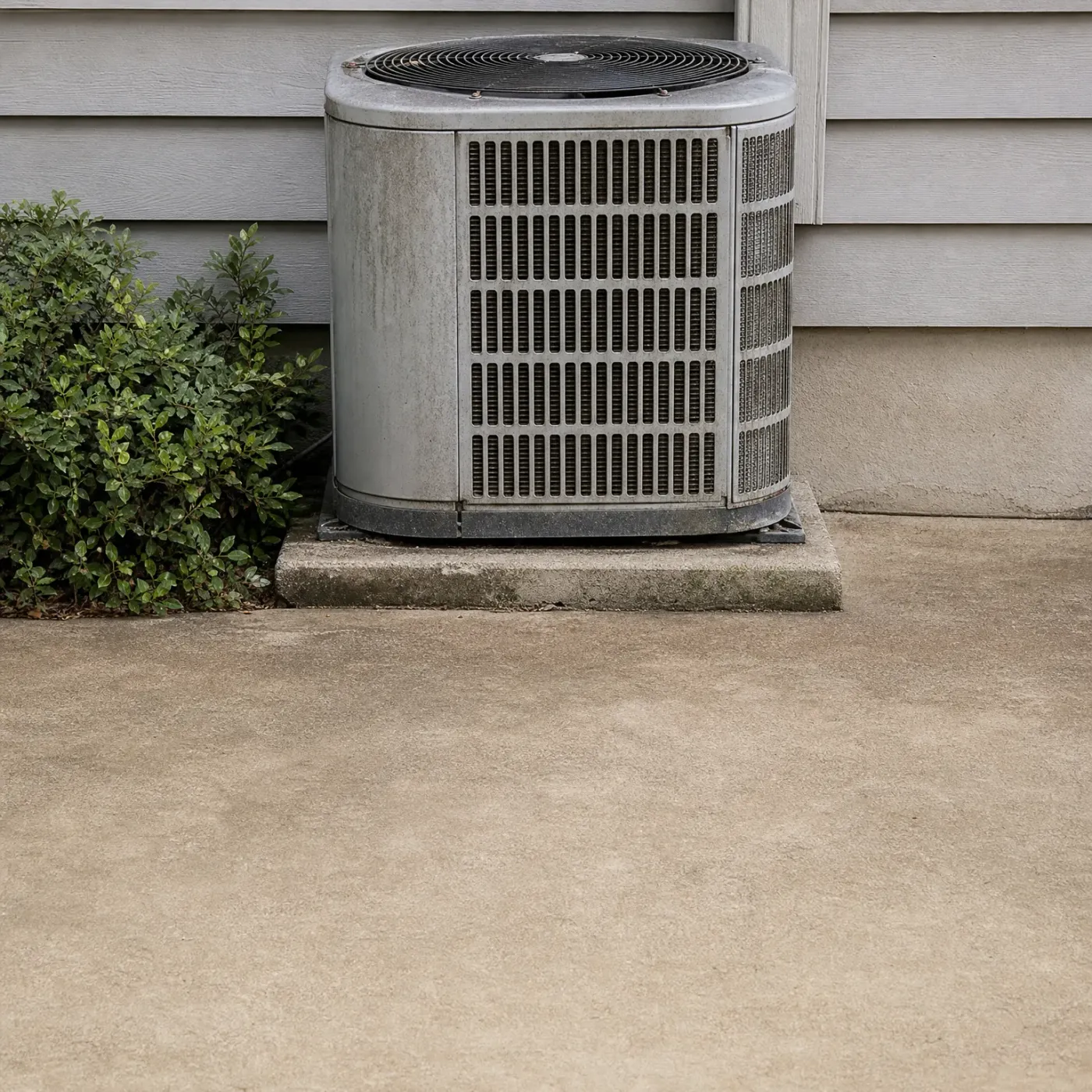
An outdoor air conditioning condenser unit on a concrete pad beside a house with horizontal lap siding, with a green shrub to the left and a wide concrete slab in the foreground.
Before you get your heat pump maintenance
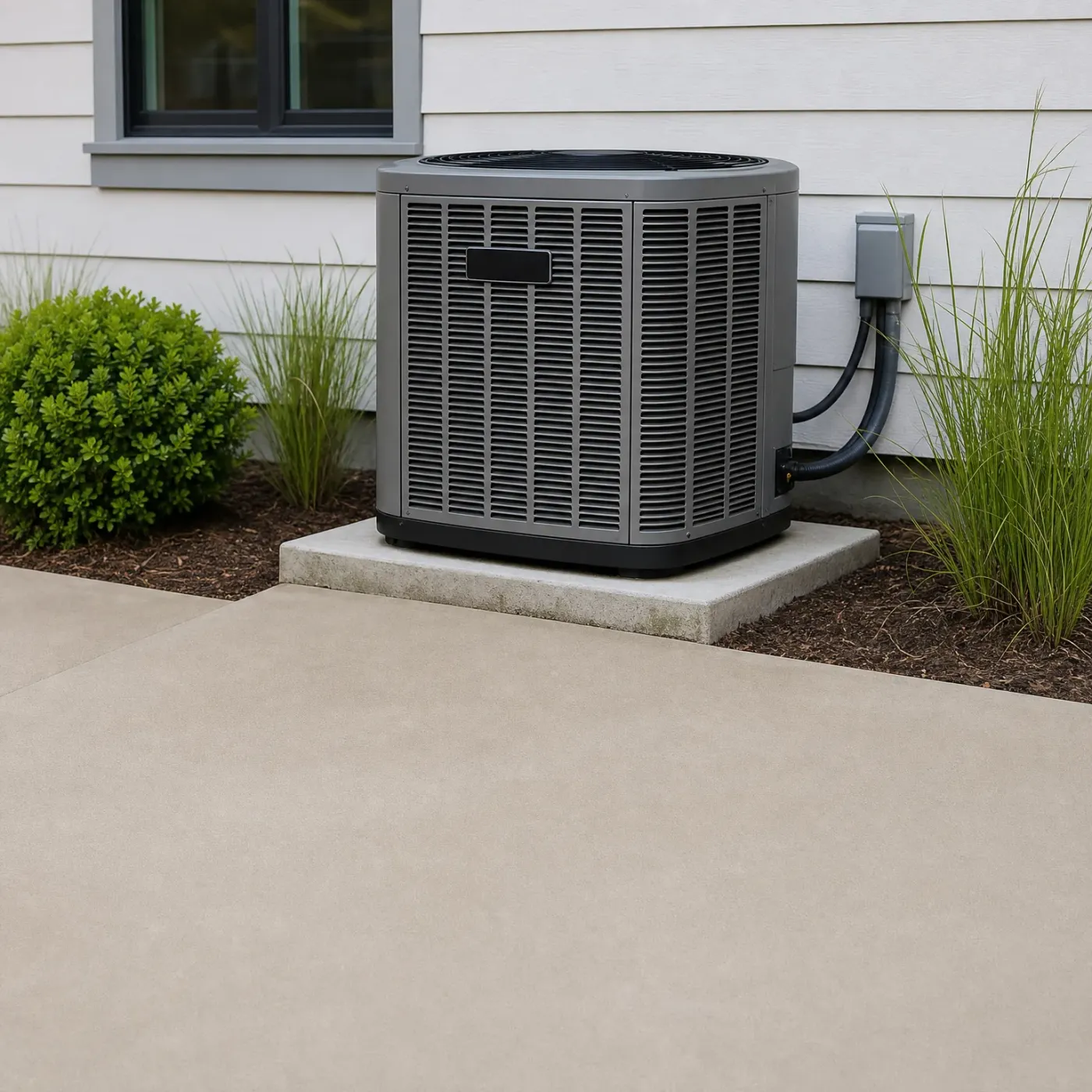
A gray outdoor condenser unit on a concrete pad beside a light-colored horizontal-siding house, with a disconnect box and refrigerant line on the wall, ornamental grasses and a shrub in mulch nearby, and a concrete patio in the foreground.
After you get your heat pump maintenance
Two-story house with beige horizontal siding, gray shingled gable roofs and a covered front entry, with an outdoor air conditioning unit beside it and a partly dry grass lawn in front under a clear blue sky.

New York summers run sticky, and the number behind that is a dew point averaging 62°F across June, July and August. That's the moisture your heat pump has to pull out of the air on top of cooling it. The higher the dew point, the harder the coil works to wring out that extra humidity, and the longer the unit runs to get the house comfortable. You'll notice it as a system that seems to run and run without the house feeling any cooler, or air from the vents that feels cool but not dry. A coil that's dirty or a charge that's drifted low makes that worse, right when the air outside is already working against it.

NASA POWER T2MDEW county cells weighted by homes

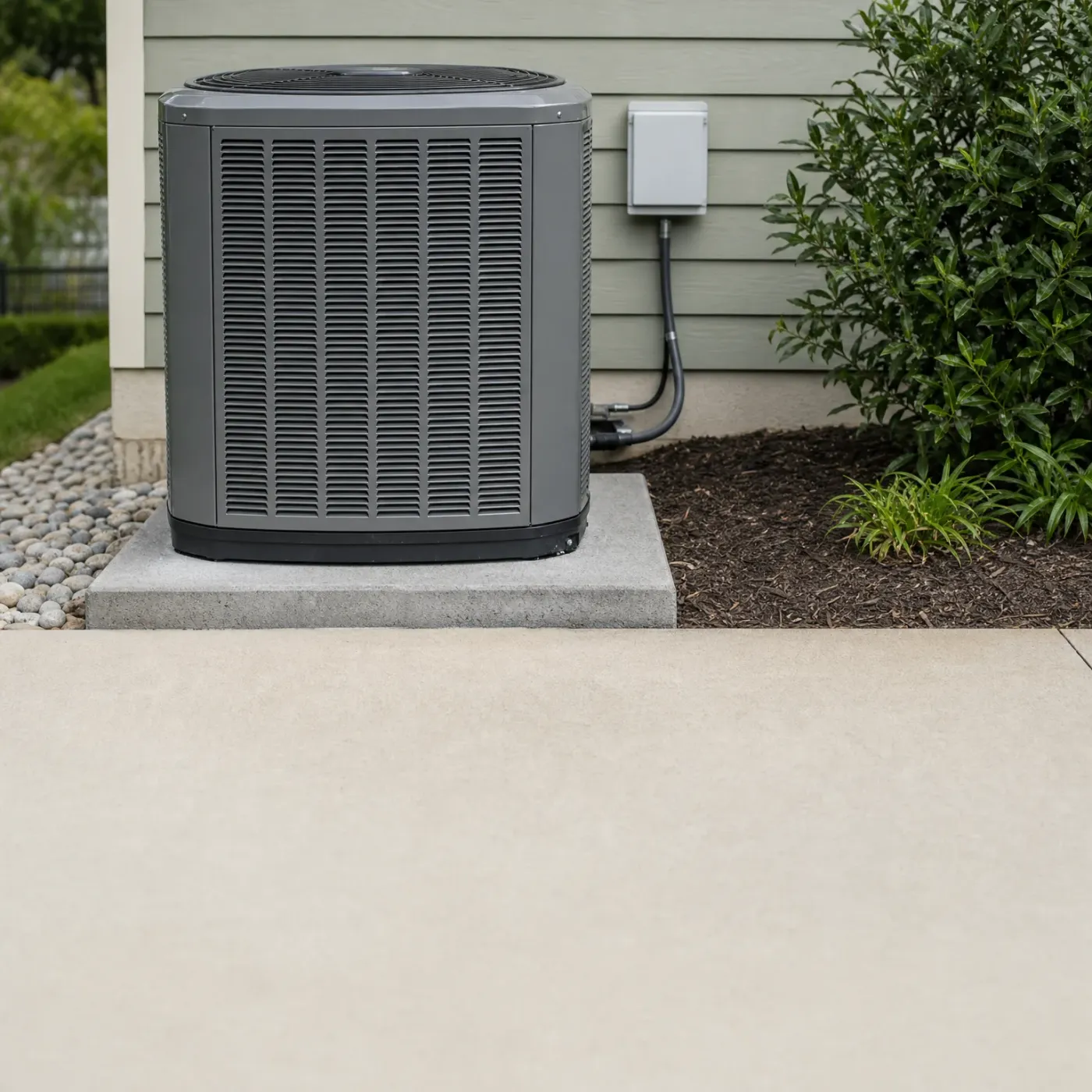
A gray outdoor condenser unit on a concrete pad beside a light green lap-sided house, with a wall-mounted electrical disconnect box, mulch bed with shrubs, river rock, and a paved walkway in the foreground.
A clean coil like this pulls heat out of the air without a fight, whether it's January or a sticky August afternoon.
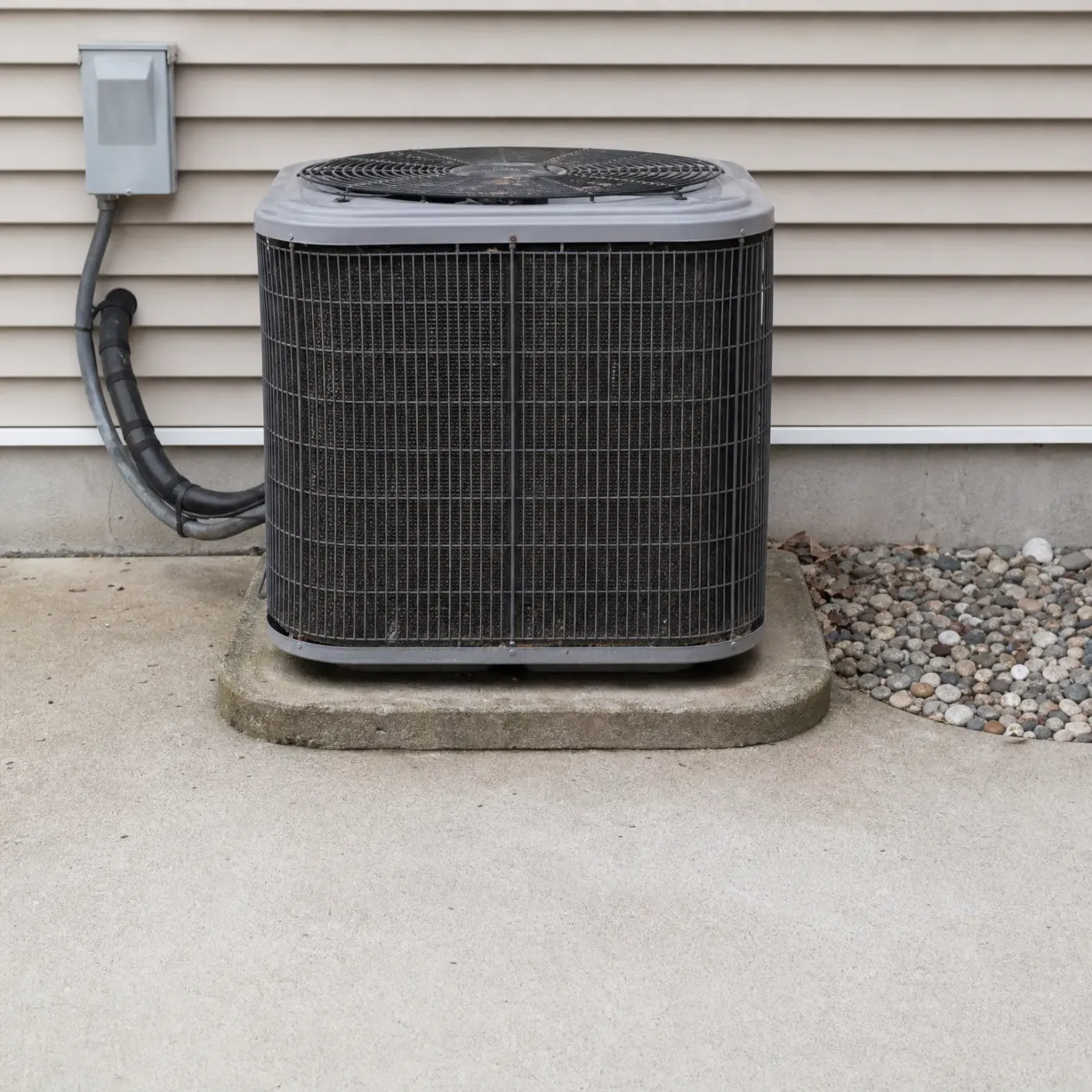
An outdoor air conditioner condenser unit on a concrete pad beside a house with beige vinyl siding, with a gray electrical disconnect box and insulated refrigerant lines on the wall and river rock to the right.
A coil packed with dirt like this makes the unit run longer for the same result, and that shows up on your bill fast.
  1. Technician checks the thermostat calls for heat or cooling correctly.

  2. Refrigerant pressures get measured at the service ports.

  3. Superheat and subcooling readings confirm the charge is correct.

  4. Reversing valve gets forced through a cycle to test it.

A closed silver laptop and a glazed ceramic mug on a wooden table, with a blurred kitchen counter, potted plant, cutting board and window in the background.

What a tune-up covers, in short

A heat pump tune-up in New York comes down to a few checks that matter twice a year: the refrigerant charge, the reversing valve, the coil, and the defrost cycle. Each one affects both jobs this system does, heating your house in January and cooling it in August. Catch a drifting charge or a coil that's packed with dirt before it forces the unit to run longer than it should, and the system holds up the way it's supposed to through the whole year.

You could spend an evening calling around, telling each company the same thing about your unit, then comparing quotes from people who mostly work on furnaces and don't know heat pumps the way they need to be known. Or you could get matched with one licensed New York contractor who services this equipment every season and already knows what tends to fail first. Either way, the system needs the same checks. How you get there is the part you're deciding now.

A dark ceramic mug on a round wooden table beside a light grey sofa with a woven cushion and knit throw, with a window, potted plant, floor lamp and wooden cabinet blurred in the background.
A dark standing-seam metal roof with a stone chimney in the foreground, backed by mixed forest in autumn color and cloud-covered mountain ridges under an overcast sky.

Skip calling around

Reach a local pro

No fee to send it, and nothing to sign.

A system that drifts out of tune in October usually doesn't show it until that first hard cold snap in January, right when you need it most. Getting it checked now, while it's still running fine, means one less thing that can fail on you when the temperature drops.