A local pro for your heat pump installation
Repair or replace a heat pump in New York
A heat pump struggling with a New York summer or winter raises the question of whether it's worth fixing or time for a new one. This page walks through what tips that decision, from the age of the unit to the cost of running it on New York power rates. Skip the research and the round of calls to contractors: answer a few questions and a contractor who knows heat pumps will reach out to you directly.
Get matchedA heat pump worth repairing is usually one still under 10 to 12 years old, with a problem that's a single part, like a failed capacitor or a bad defrost sensor. Past that age, or if the compressor itself is failing, replacement makes more sense. New York winters push a heat pump harder than most, since it has to pull heat from cold outside air, and an aging system loses efficiency right when you need it most. If yours is icing over and not defrosting properly, or running constantly without keeping the house warm, that's a sign of a system struggling to keep up, not just a one-time glitch. Given how much electricity costs here, an older, less efficient unit can cost you more every month than a repair bill once would. Most homes in New York heat with gas, so if your heat pump is your backup or supplemental system, the calculation on repair versus replacement may differ from a home relying on it alone.
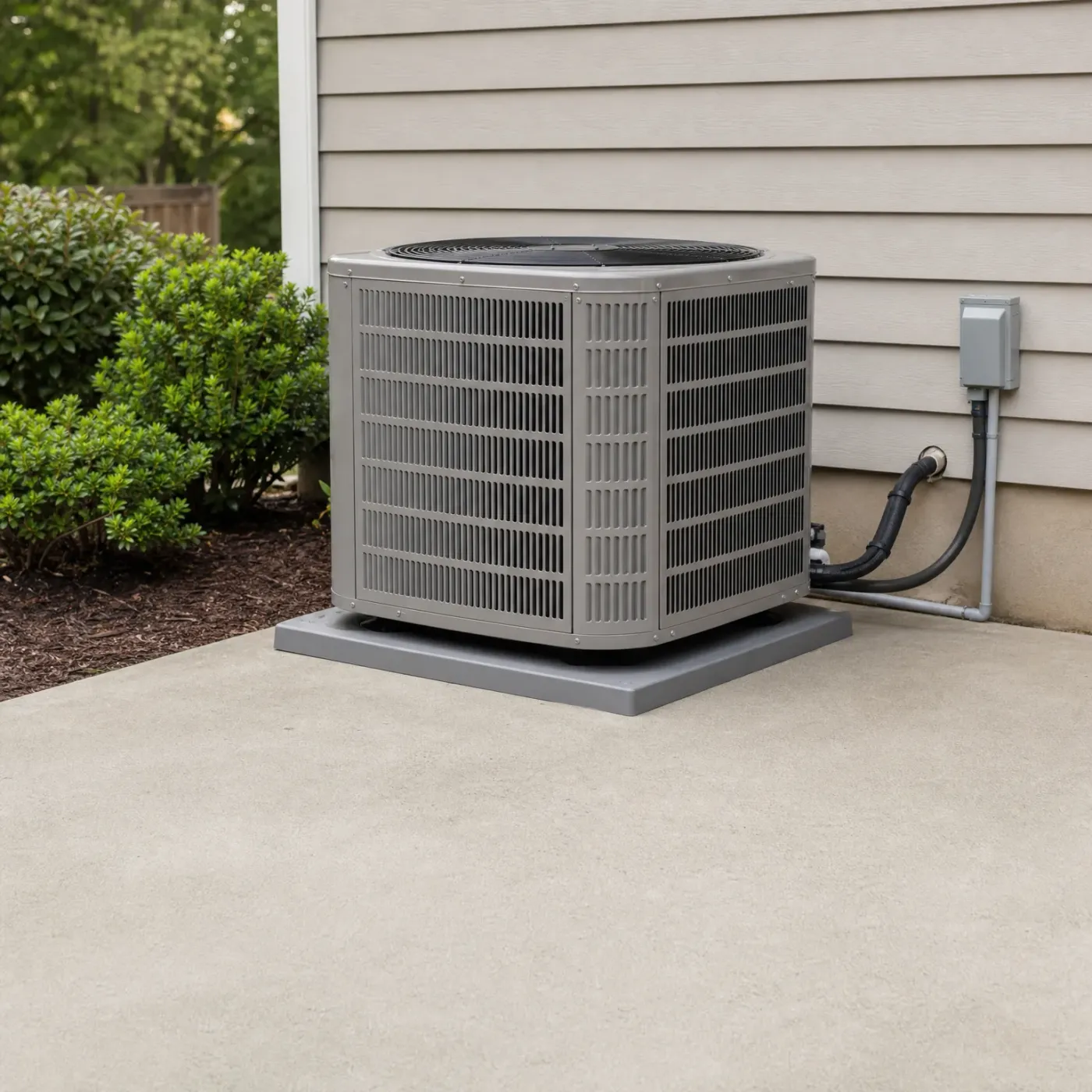
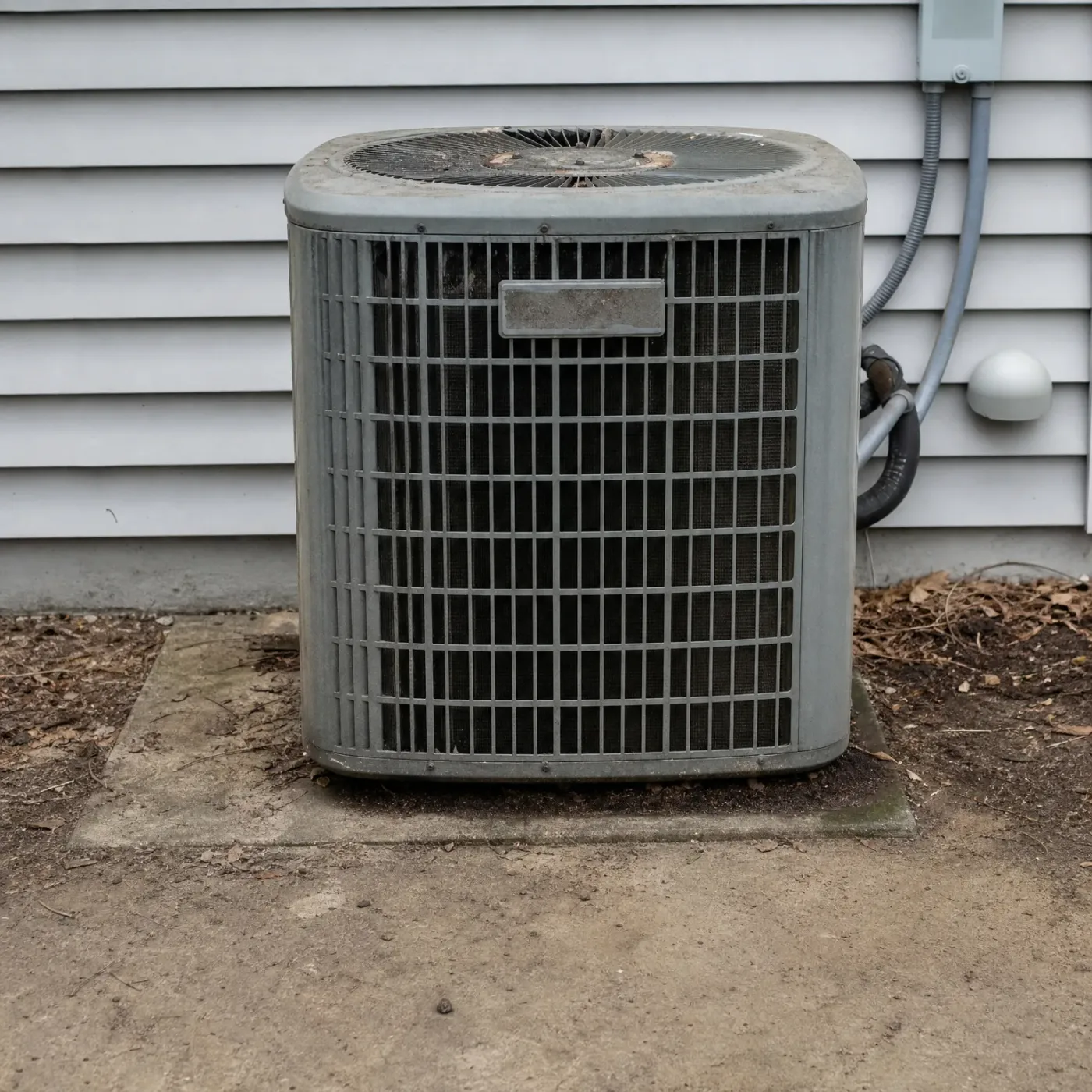
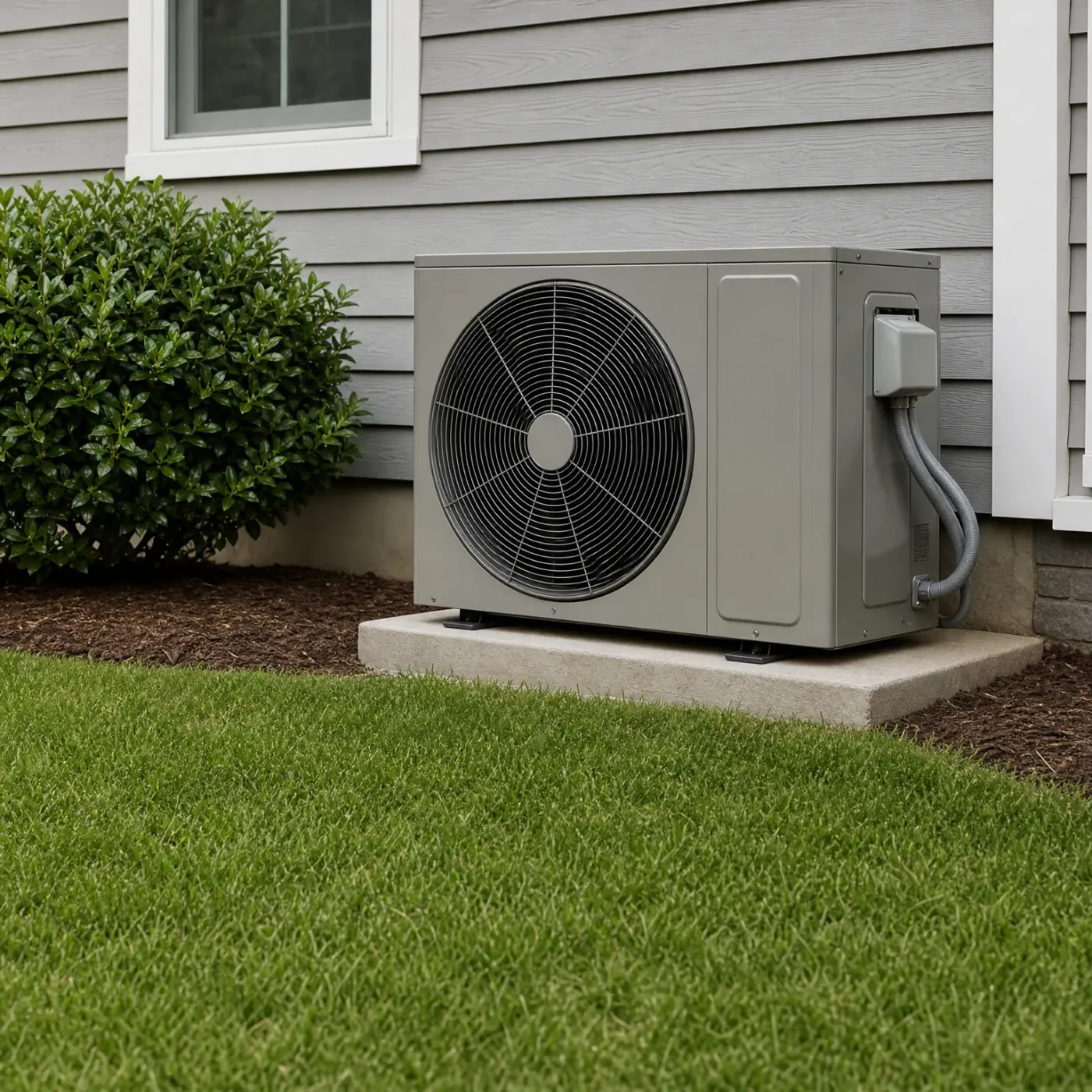
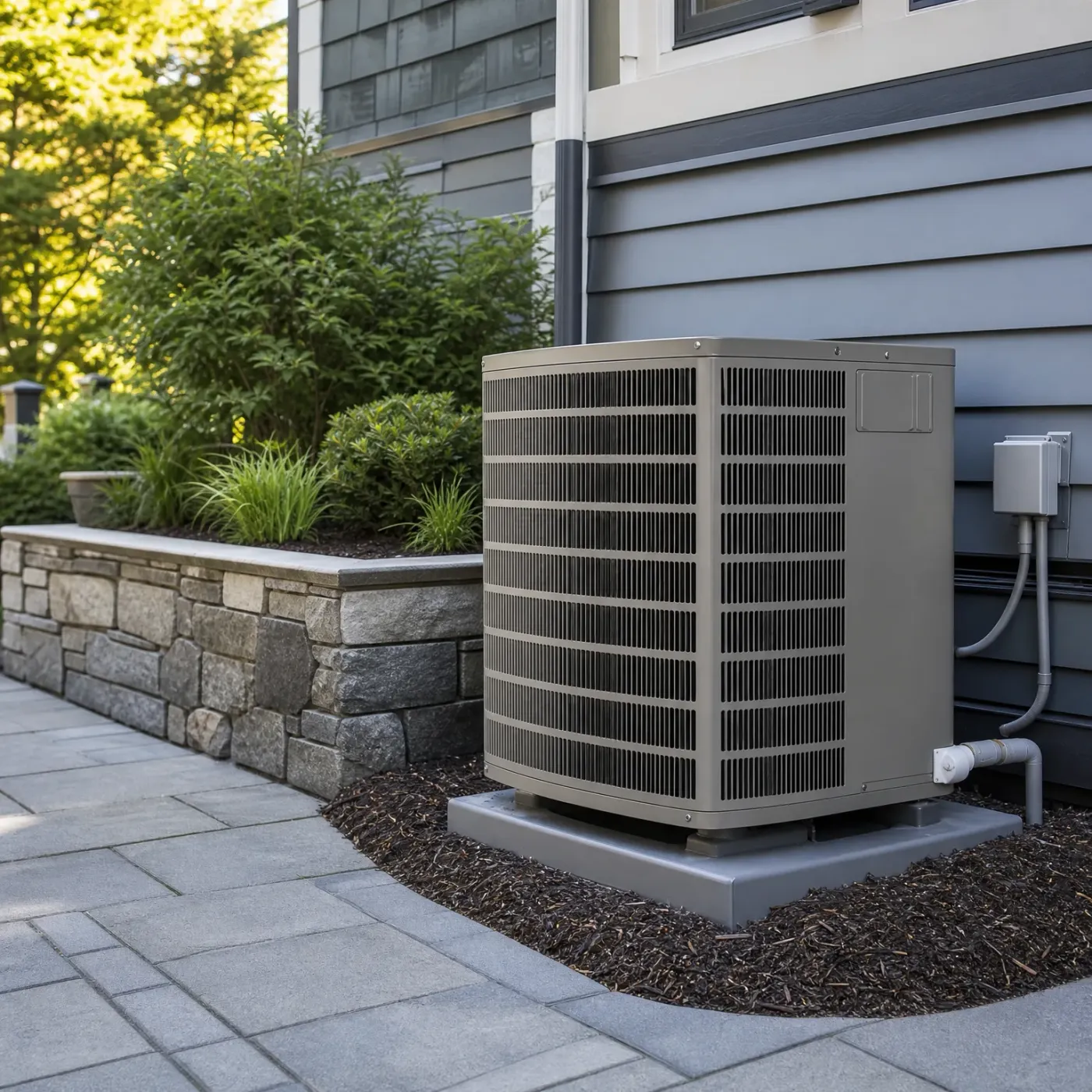
A heat pump does its job with one part most furnaces don't have: the reversing valve. That valve is what lets the same unit cool your house in August and heat it in January, just by switching the direction refrigerant flows. When outside temperatures drop below about 35 degrees, the unit briefly reverses itself again to clear frost off the outdoor coil. For a few minutes you might feel cooler air coming out of your vents. That's defrost doing its job, not a breakdown. What does signal trouble is the outdoor unit working harder than it should. A coil caked in grime, or a cabinet boxed in by snow or leaves, forces the compressor to run longer to move the same amount of heat, and on New York power rates that extra run time costs you. On the coldest days, electric heat strips step in to back up the compressor. If those strips seem to be running nonstop, the compressor isn't keeping up the way it should, and that's worth having someone look at before the next cold snap.
How a heat pump actually works
- A heat pump runs the reversing valve to switch between heating and cooling, and a stuck valve means it can blow the wrong temperature air.
- Below about 35 degrees outside, the unit goes into defrost, briefly reversing itself to melt frost off the outdoor coil.
- During defrost it can look like it's blowing cold air inside for a few minutes, which is normal and not a sign of a failure.
- A dirty outdoor coil forces the compressor to run longer to move the same amount of heat, which shows up on power bills in New York.
- The outdoor unit needs clear space around it, since blocked airflow from snow, leaves or siding makes every part work harder.
- Auxiliary electric heat strips kick in on the coldest days to back up the compressor, and if they're running constantly, the heat pump itself may be struggling.
Get the right pro for your heat pump
Skip collecting and comparing quotes for the new heat pump.
A local installer who puts in heat pumps gets your project.
It costs nothing to send, and you don't have to hire anyone.
Is your heat pump keeping the house comfortable
You might notice the air coming out isn't as cold as it used to be on a sticky afternoon, or the system runs long stretches without the house catching up. In winter, you hear it click into defrost more than feels normal, or the outdoor unit stays frosted over longer than it should. Some rooms stay warmer or colder than others no matter where the thermostat is set. You might hear a rattle or a hum that wasn't there before, or notice the outdoor unit icing up even when it isn't that cold out. Left alone, a struggling heat pump pushes your power bill higher every month it runs like that, and it can leave the people counting on it uncomfortable during the exact weeks they need it most.

A tech checks the refrigerant charge and pressures at the outdoor unit.
They test the compressor, reversing valve and capacitor under load.
The defrost sensor and control board get checked for correct signals.
You get a straight answer on repair versus replacement for your unit.

What a struggling heat pump costs you at home
When a heat pump is losing its grip, you feel it first in the rooms farthest from the thermostat. The upstairs stays warm on a muggy night even after the downstairs cools off. In January, a bedroom over the garage never quite catches up. New York power rates mean a unit working harder than it should shows up fast on your bill, often before it fails outright. If yours is running long stretches without getting the house where you set it, that's the unit telling you something, not just the thermostat being picky.
The other cost is your time. Finding a contractor who actually works on heat pumps, not just furnaces or standard AC, means calls, voicemails, and explaining the same problem to three different companies before anyone shows up. Once you're matched with a contractor who handles your specific situation, that part is done. They reach out to you, and you stop carrying the search yourself.



Power costs 26.39 cents per kilowatt-hour statewide
At 26.39 cents per kilowatt-hour, every hour your heat pump runs inefficiently shows up fast on the bill. A unit low on charge or fighting a dirty coil pulls more power to do the same job, and in New York that gap costs more than it would almost anywhere else.
EIA-861 2025 statewide residential average
Repair or Replace, Decided
- A heat pump under 10 to 12 years old with one bad part, like a capacitor or sensor, is usually worth fixing.
- A failing compressor or a unit past that age tips the math toward replacing it.
- New York winters push a heat pump harder than a furnace-only setup would, which shortens its working life.
- Dirty coils or a low charge make the unit pull more power at 26.39 cents per kilowatt-hour, and that shows up fast.
- A unit that can't hold the house steady in a muggy summer or a cold snap is telling you something before it fails outright.
- Matching with a contractor replaces calling around and repeating the same explanation to get a straight answer.
The question you started with has a straight answer. If your heat pump is under 10 to 12 years old and the problem traces to one part, a capacitor, a sensor, a failed relay, fixing it is the right call. If the compressor is going, or the unit has already passed that age, you're not buying much by patching it again. New York winters are part of why that line matters here. A heat pump in this climate runs harder than one paired with a furnace for the cold months, cycling through defrost again and again when it's below freezing outside, and that wear adds up faster than it would somewhere milder. You can watch it happen on the power bill too. A unit low on refrigerant or running with a dirty coil pulls more electricity to do the same job, and at 26.39 cents per kilowatt-hour, that difference shows up within a billing cycle, not years down the line. The rooms that won't hold temperature, the system that won't quit running on a sticky night or clicks into defrost too often in January, those are the unit telling you something before it quits for good. Whichever side of the repair or replace line you land on, getting it done means finding someone to look at it, explain what's wrong, and give you a number. That part doesn't have to be the hard part. A contractor matched to your situation can take that off your plate, so you're not stuck calling around and repeating the same story to get a straight answer.




Heat Pump Installation
A pro who works on heat pumps
One form replaces the calls you'd make to find a heat pump pro.