 Match me with a pro
Is a heat pump cheaper to run than gas heat in New York
Get in touch with a local installer about a new heat pump.
You already made the switch. Now you're looking at a bill next to a gas-heat neighbor's and wondering if the heat pump is actually the better deal, or just the greener one.
The answer isn't the same for every house. It depends on what you're paying for electricity, what you'd be paying for gas, and how your heat pump is set up to handle the cold months here. New York is near the top of the country for electric rates, and most homes around you still heat with gas. That combination is exactly why this question doesn't have one answer that applies to everybody.
What changes the math is how the system is sized, how it's set to handle the coldest stretches of winter, and whether it's backed up by anything else. Two heat pumps in two houses a few blocks apart can post very different running costs, not because one owner is doing something wrong, but because the equipment and the setup aren't the same.
That's the part worth getting a straight answer on before you decide anything. A contractor who installs these systems in New York homes can look at your specific setup, your rates, and your house, and tell you where you actually stand against gas, not in general terms but for your situation.
Below, you'll find the numbers that apply here: what gas and electric run in New York, how heat pumps perform in cold weather, and what that means for your winter bill. If you want it looked at directly, send your information along and a contractor who handles heat pump installations in your area will reach out to go over it with you. That part stops being something you have to chase down yourself.
Is a heat pump cheaper to run than gas heat in New York?
You went through with the heat pump install and now you're checking the numbers against what a gas-heat neighbor pays. The honest answer depends on your electric rate and how cold it got, not on which system is supposedly better. You want to know where you actually land, not a general claim about heat pumps.
Usually not, once it gets cold, because New York pays some of the highest electric rates in the country
A heat pump moves heat instead of burning gas to make it, so on a mild day it can cost less to run than a furnace. But its efficiency drops as the temperature outside drops, and it has to run longer to keep up. In New York, where electricity costs more per unit than it does in most states, that combination usually means higher running costs than gas once winter sets in for good. Where it tends to even out, or come out ahead, is in summer, since the same unit handles your cooling too. Whether the yearly total favors the heat pump or the furnace next to it comes down to your actual electric rate and how many days stayed near freezing.
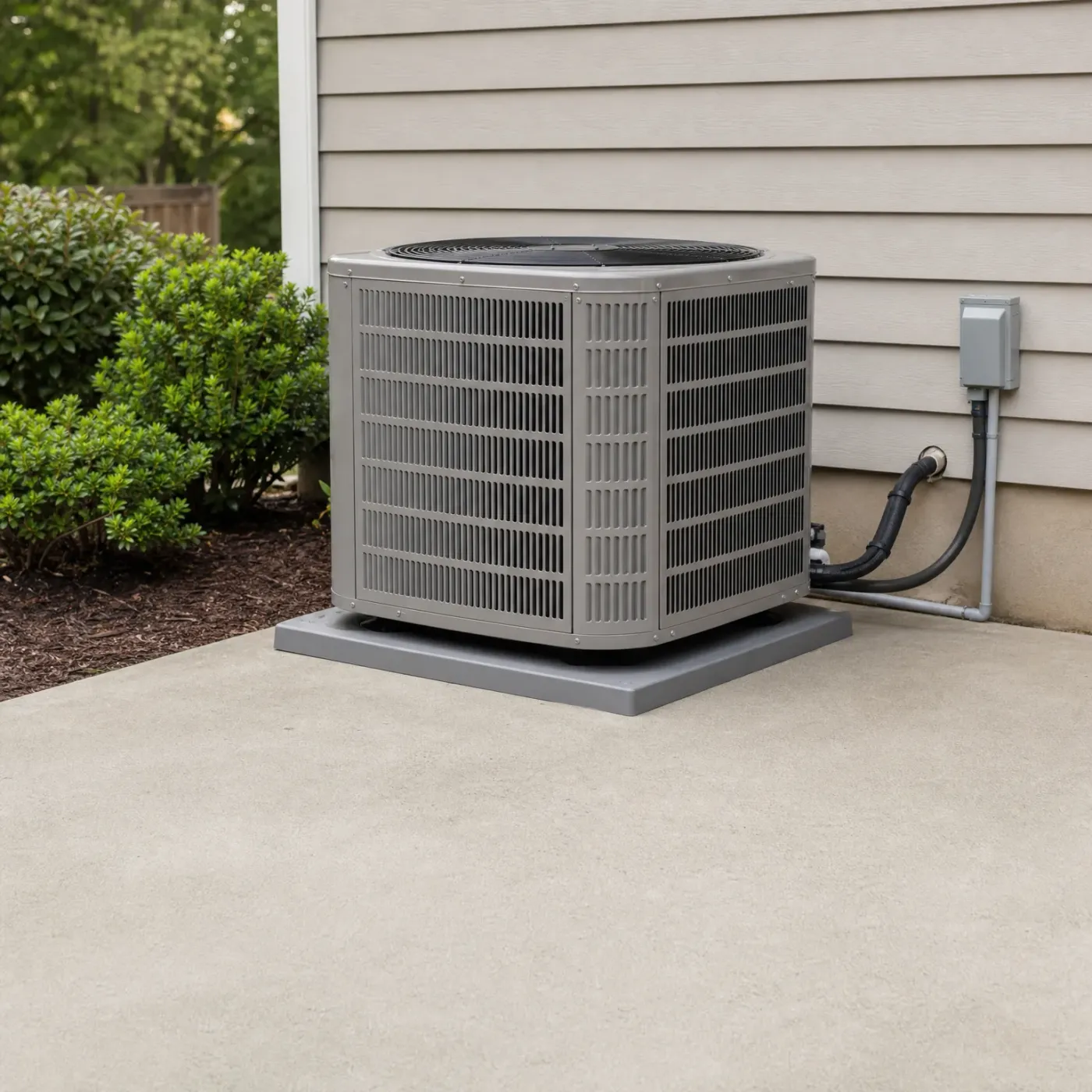
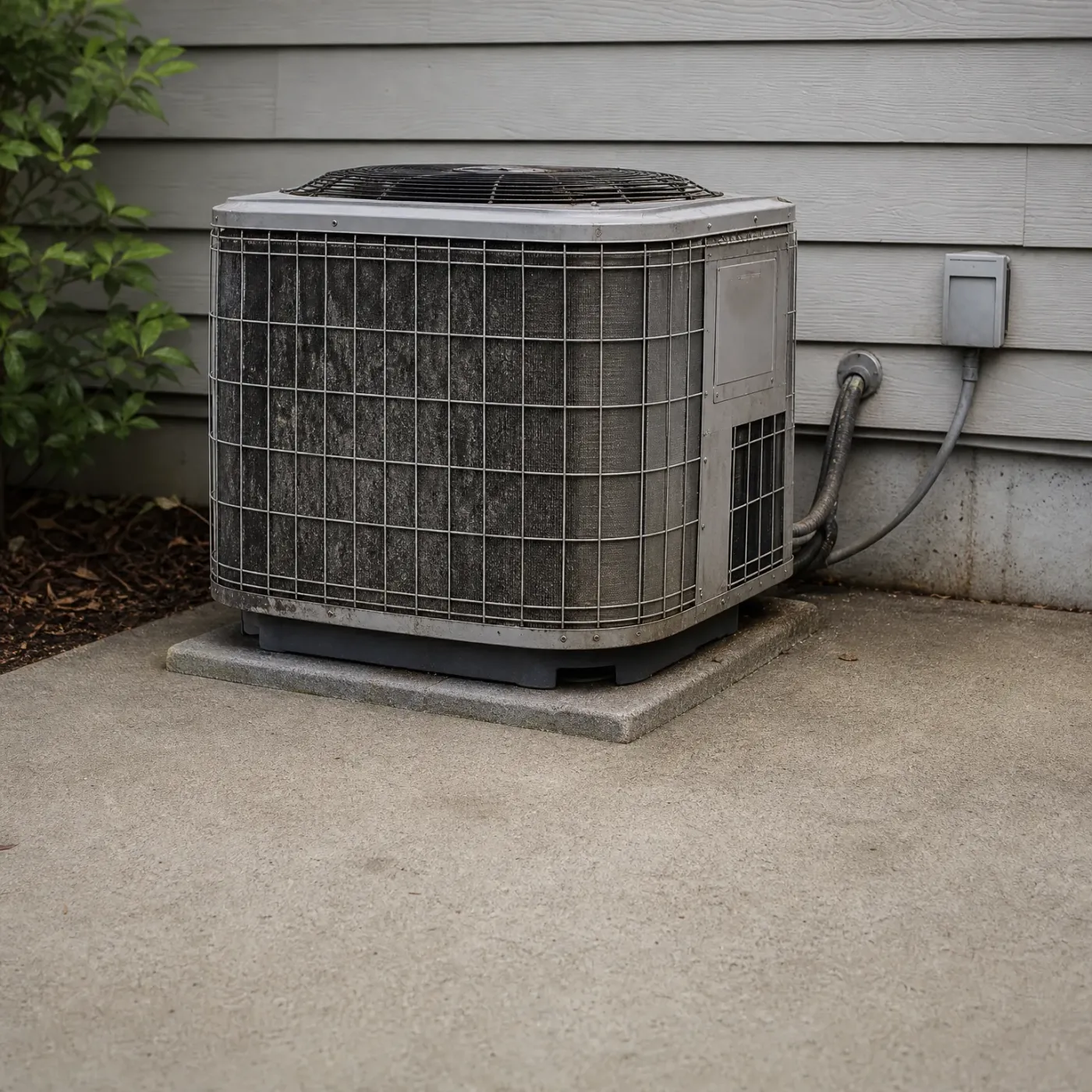
You already have the heat pump, so the question now is what it does to the bill through a New York winter. On a mild day it will likely beat gas, because it's moving heat instead of burning fuel, and electric rates here are high enough that the math only works if the equipment is running efficiently. On the coldest nights, when the outdoor air has little heat left to pull in, the unit leans on backup resistance heat, and that's where a New York winter can quietly erase the savings. If your ductwork leaks or your home loses heat fast, the system runs longer to hold the same temperature, and you pay for every extra hour. None of that shows up as a warning light. It shows up a month later, when the bill lands next to your gas-heat neighbor's and the numbers don't match what you expected. A unit sized and installed right for your house is what keeps that gap in your favor instead of against you.


Power costs 26.39 cents per kilowatt-hour statewide
At 26.39 cents per kilowatt-hour, every unit of heat your pump moves costs more here than it would almost anywhere else. That's why cold snaps hurt you more than they'd hurt the same heat pump in a cheaper-power state, and why the mild days matter so much to your average.
EIA-861 2025 statewide residential average




A local pro for your heat pump installation
You've already seen how the numbers move with the weather. What decides whether this winter costs you more or less than gas is how well the unit is set up and running right now, not just what the rate sheet says. A heat pump sized wrong for your house, or losing refrigerant charge, will lean harder on backup heat during cold snaps, and at New York's electric rates that gets expensive fast. The same system, properly charged and sized, holds its advantage on more days than you'd think. A contractor who knows cold-climate heat pumps can look at your install, your thermostat settings, and your actual usage, and tell you where you stand against gas, not in general, but for your house. That's a different answer than anything a rate comparison can give you. If the bill looks off, or you just want to know where the breakeven point sits for your place, that's worth having someone look at directly.
Where You Actually Stand
- Whether your heat pump beats gas this winter comes down to your electric rate and how cold it got, not which system is greener.
- At 26.39 cents per kilowatt-hour, your pump has to work efficiently on more days than it would in a cheaper-power state to win on cost.
- A clean, well-set-up heat pump keeps the math closer to what the rate sheet promises, while a dirty coil or wrong sizing pushes the bill toward what gas would have cost.
- Mild days favor the heat pump, cold snaps favor gas, and most New York winters give you a mix of both.
- Getting a contractor to check the setup is the one variable in this you can still control once the equipment is already in the ground.
- Once you send the form, you're not the one tracking down who can look at it. That part is off your plate.
There's no single answer for every New York winter, because your bill depends on your electric rate and how many cold days you got, not on which system is cleaner to run. At 26.39 cents per kilowatt-hour, your heat pump has less room for error than it would somewhere with cheaper power. That makes the condition of the equipment matter more than it would elsewhere. A unit that's sized right for your house and kept clean will land closer to what the rate sheet promises. One that's clogged, low on charge, or was never sized for your place will drift toward costing what gas would have cost you anyway, maybe more. Most winters here aren't all mild or all brutal. You'll get stretches where the heat pump wins outright and cold snaps where gas would have been cheaper that week. Over the whole season those mostly even out, which is why the setup matters more than the weather you can't control. You already own the equipment. The only lever left is making sure it's running the way it was designed to. A contractor can check the charge, the airflow, and whether the sizing matches your house, and tell you where you actually stand instead of where the rate sheet says you should be. Once you send the form, that search is handled for you. You stop being the one chasing down who's available and who's qualified, and that part of this stops being your problem to solve.

Heat Pump Installation
Get the right pro for your heat pump

- Say what's going on with your heat pump, and a pro who works on them reaches out.
- A local pro who knows heat pumps gets your details and gets in touch.

- Send the form and the search for an installer is over.
- Send the request and finding a pro stops being your problem.

- Skip collecting and comparing quotes for the new heat pump.
- Skip the round of in-home estimates for a new heat pump.

- One installer gets your project, so there's no bidding war over it.
- Your request stays with one local pro.