New York Heat Pump Pros

How cold is too cold for a heat pump in New York

Send the form and the search for an installer is over.

Hand off my installation

Most heat pumps start losing real heating power somewhere around 20 to 25 degrees, and below 5 to 10 degrees, older units struggle to keep a New York house warm on their own. That's the point where the outdoor coil can't pull enough heat from the air, no matter how hard the compressor works. New York sees stretches of single-digit and below-zero nights most winters, which is why a lot of homes here pair a heat pump with a gas furnace as backup for the coldest weeks rather than relying on the heat pump alone. A newer cold-climate heat pump holds up much further down, some rated to work below 0, so the real answer depends on the model and how it's installed, not just the thermometer. If your heat pump is struggling before it even gets that cold, something is already wrong with it or how it was sized for your house.

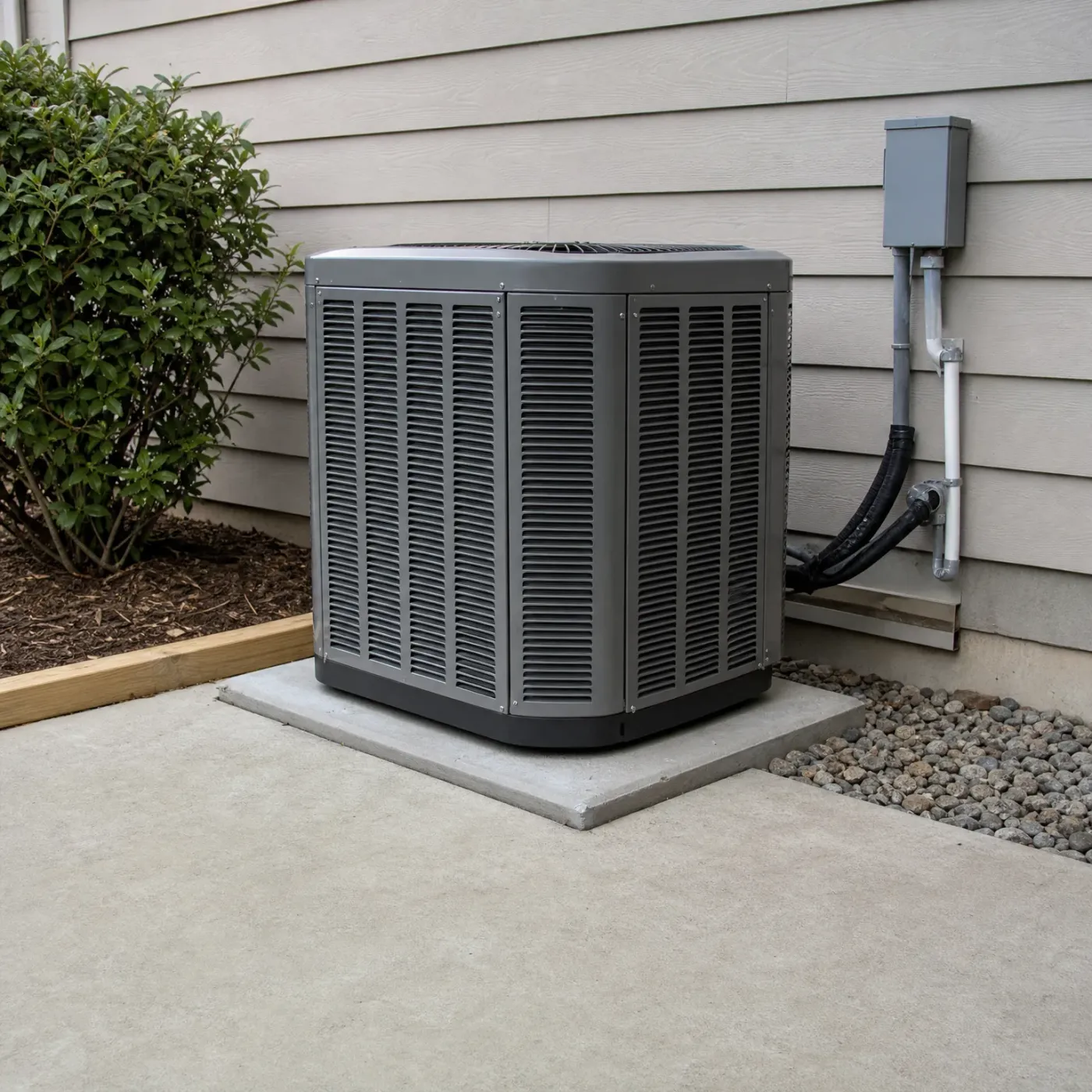
A gray outdoor condenser unit on a concrete pad beside a house with horizontal lap siding, with a wall-mounted disconnect box, conduit and insulated refrigerant lines, a shrub at left and gravel at right.

Running fine above 25

Above 25 degrees, the outdoor unit still pulls heat from the air without much trouble. You'll feel steady warm air from the vents and the outdoor fan runs normal cycles, not constant. This is the range the system was sized for, and it covers most of fall and spring in New York without any help.

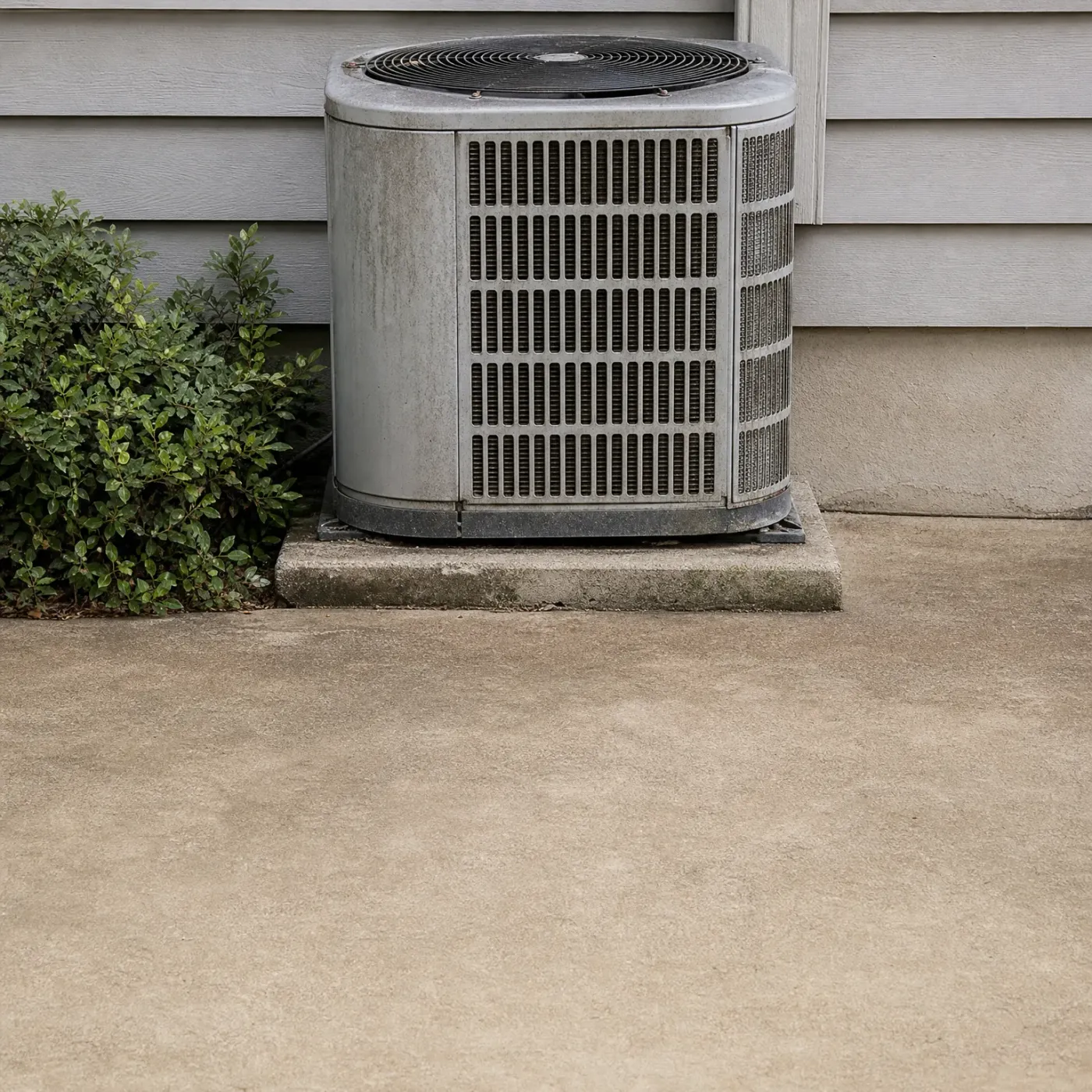
An outdoor air conditioning condenser unit on a concrete pad beside a house with horizontal lap siding, with a green shrub to the left and a wide concrete slab in the foreground.

Struggling in deep cold

Once temperatures drop into the single digits, the coil can't draw enough heat and the unit runs longer just to keep up. Vents may feel lukewarm instead of warm, and the house loses ground on the coldest nights. A properly sized system for your home handles this better than an undersized one.

Heat pump alone or paired with backup

Heat pump alone

  • Below 5 to 10 degrees, most heat pumps lose enough capacity that they can't keep pace with how fast a New York house loses heat.
  • The outdoor unit will run constantly, and you may still feel the indoor temperature drift down a few degrees overnight.
  • Defrost cycles get more frequent in this range, and each one pulls warm air off the system for several minutes at a time.
  • Older heat pumps feel this earlier than new ones, sometimes losing real output by 15 to 20 degrees instead of holding on past 5.
  • If the unit was sized for cooling first and heating second, this is where that choice shows up.

Heat pump with backup heat

  • Most homes here heat with gas, so a furnace already in the house can carry the load once the heat pump stops keeping up.
  • The two systems hand off automatically, so you're not out checking a thermostat at 2 a.m. when it's 5 degrees outside.
  • With power among the most expensive in the country, letting electric resistance backup run for hours gets expensive fast.
  • A gas furnace paired with a heat pump means the expensive backup almost never has to run at all.
  • Getting this pairing set up right, including where the handoff point is set, is what a heating install should settle before the first cold snap.
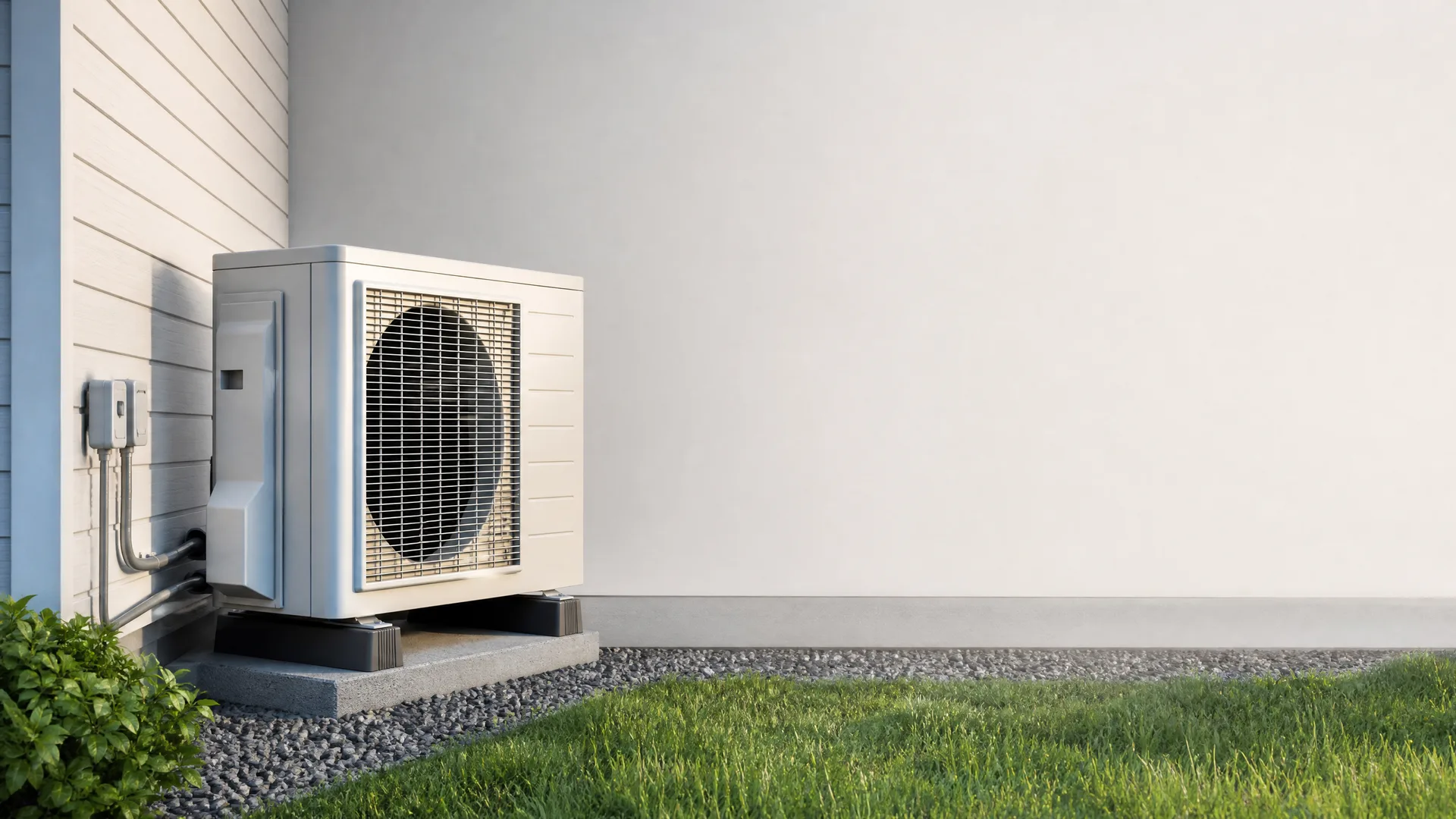
An outdoor heat pump unit on a concrete pad beside a house corner, with a small electrical box and conduit on the wall, gravel border, grass, and a plain light-colored wall filling the right side.

Cold climate units push lower

A standard heat pump and a cold climate heat pump are built differently. Cold climate models use a variable speed compressor that ramps up output as it gets colder outside, instead of running at one fixed speed. That's how some of these units still produce useful heat down near 0 degrees, well past where a standard unit has already handed the load to backup heat. If you're installing new, this is the spec to ask about.

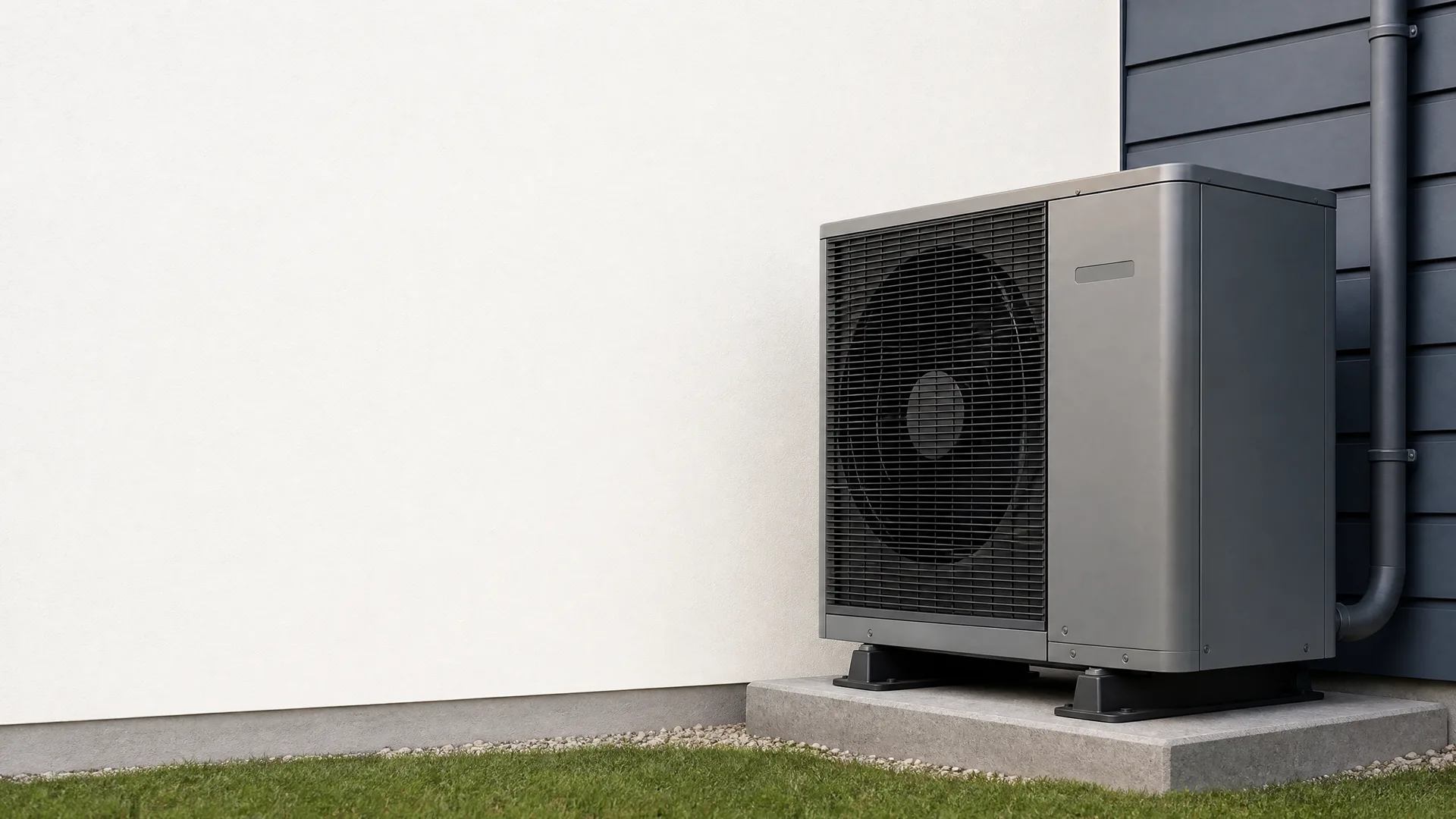
A grey outdoor heat pump unit on a concrete pad beside a white stucco wall and dark siding with a downpipe, with gravel and grass in the foreground.

Backup heat covers the gap

When a heat pump can't keep up, something else has to make up the difference. Most New York homes have gas furnaces, and a heat pump can be set up to work alongside one, switching over to gas once the outdoor temperature drops past the point the heat pump handles well. With power costs here among the highest in the country, running gas during the coldest stretches instead of pushing electric resistance heat keeps the bill from spiking.

Why does your heat pump run nonstop but the house still feels cool

You'll notice the outdoor unit never shuts off, and the air coming out of the vents feels cooler than it used to, more like room temperature than warm. Upstairs rooms or ones farther from the air handler start lagging a few degrees behind the thermostat setting. Some homeowners catch the system switching to backup heat on its own, which shows up as a jump in the electric bill since power here already costs more than most places. If the house has no backup source and the heat pump can't keep up on the coldest nights, the rooms farthest from the unit are the first to feel it.

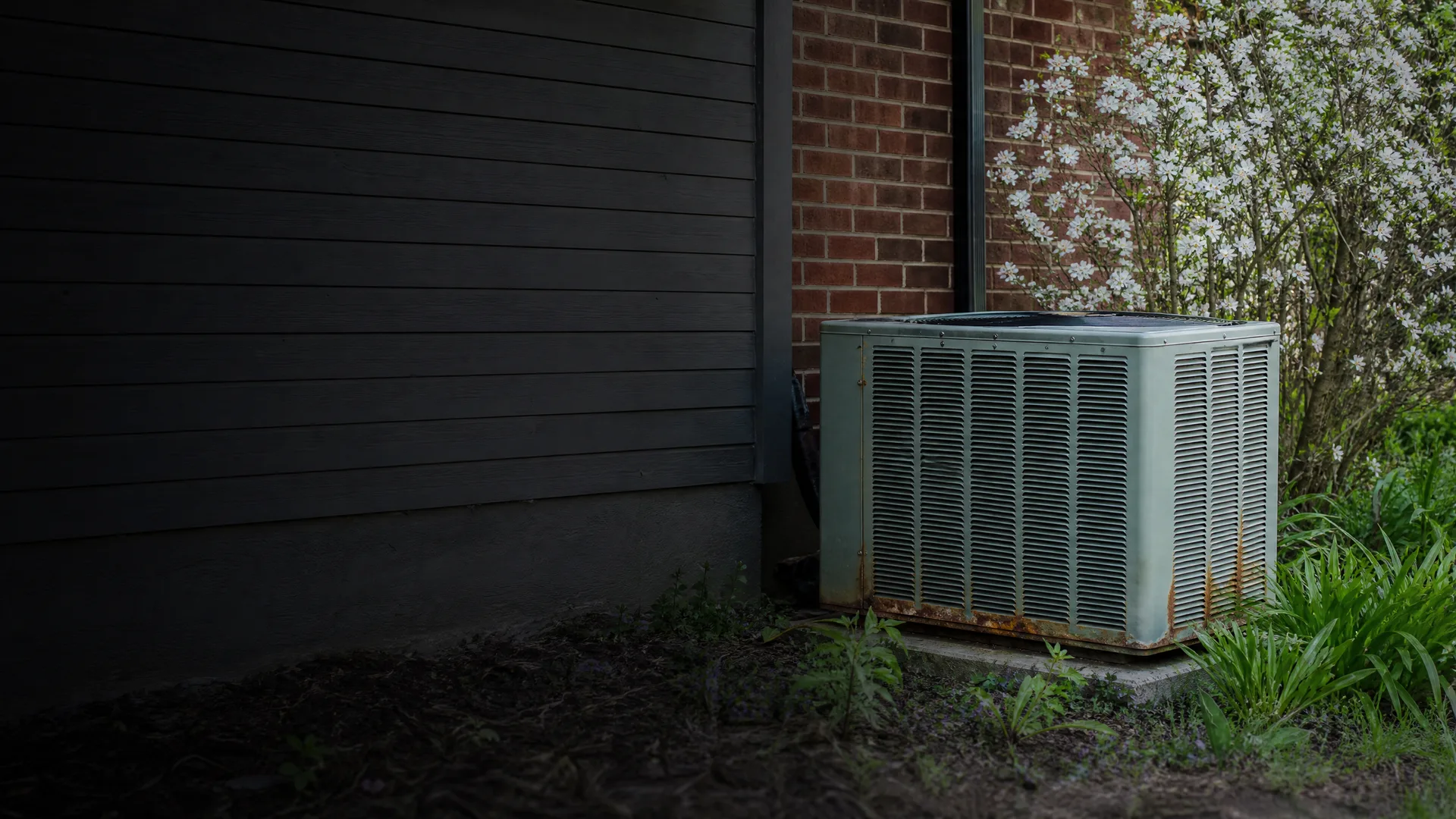
An outdoor air conditioning condenser unit on a concrete pad beside a dark horizontal-siding wall and a brick wall, with flowering shrubs and grass nearby.

You're out in the side yard in March, coiled hose still in your hand from flushing out the flower beds, and you notice the old unit against the house. Rust has crept along the base, a line of it right where the panel meets the pad. The fan kicks on while you're standing there and it sounds a little rougher than you remember from last spring. You crouch down and see the rust has started eating into the seam. It's not cold out, not today, but you think about January, about the nights it dropped past 10 and this same unit ran without stopping. You go inside and send the form. Someone local who works on these units all season will take it from here.


Let someone else find the pro

If your heat pump was sized and installed for a milder range, a stretch of single digits is going to expose that, no matter how well it's been maintained. A cold climate system, sized and installed with New York winters in mind, keeps producing real heat well below the point where a standard unit gives up and leans on backup heat strips that drive your bill up. That's the difference an installer who works on these systems every winter can tell you about from what they've already seen fail this season, not from a spec sheet. A contractor local to you will know which brands actually hold their rated output down near zero here, and which ones are better suited to a mild October than a January cold snap. Sending the form puts that question in front of someone who answers it for a living, and you're done carrying it once you do.

Keeping the gas furnace as backup

Plenty of heat pump setups in New York pair the system with the gas furnace that was already in the house, running the heat pump as long as it handles the load and letting the furnace take over once it gets too cold outside. The thermostat switches between the two on its own once it's set up right. Gas is already cheaper to run here than electric resistance heat, so when the temperature drops low enough that the heat pump needs backup, this keeps that backup heat from costing as much as it would if the furnace were replaced with electric coils instead. Your ductwork and gas line are already in place, so pairing the two doesn't mean starting over with the house's heating setup.

Going with a cold climate system alone

A cold climate heat pump can be sized to cover a New York winter by itself, without a furnace to hand off to. There's no second fuel source and no switchover logic to set up or maintain. It also means every bit of heat in the house runs through electric rates, which matter more here than in most of the country, so what the heat pump costs to run at the coldest points of the year lands fully on the power bill. Some homes don't have a furnace to pair with and this is the only option. For a home that does have gas already, going heat pump only means that furnace and gas line sit unused once the switch is made.

A man in a blue sweatshirt reclines with closed eyes in a brown leather armchair in a living room with a bookshelf, houseplant, sofa, window, and a side table holding newspapers and a dark mug.
A bearded man in a gray pullover reclines with closed eyes on a brown leather sofa in a sunlit room with a window, framed picture, potted plant, and a wooden cabinet holding papers and a dark mug.
A man in a gray sweater leans back with closed eyes in a brown leather armchair beside a wooden side table holding a dark mug and a folded newspaper, with bookshelves and a window seat behind him.
A man in a green sweater reclines in an armchair with his eyes closed and a slight smile, beside a window with plants, a small table holding a mug and folded newspaper, and bookshelves behind him.

Standard heat pump

Built for a narrower range. It heats well into the 20s, but once temperatures drop toward single digits, a new install sized the same way will face the same limit.

Reach a local pro

Cold climate heat pump

Rated to keep producing heat well below zero. A new install sized for New York winters covers the stretches a standard unit hands off to backup heat.

Reach a local pro
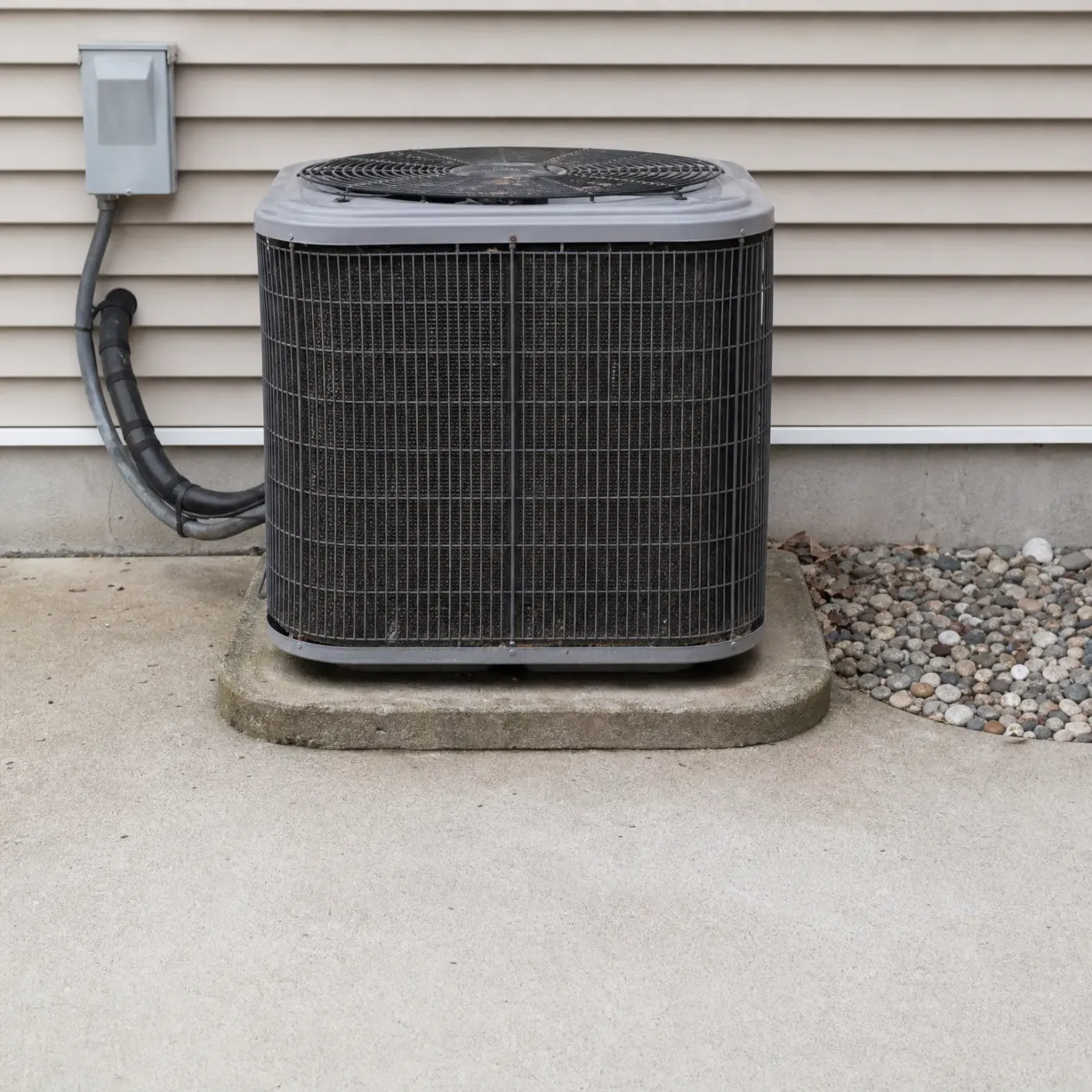
An outdoor air conditioner condenser unit on a concrete pad beside a house with beige vinyl siding, with a gray electrical disconnect box and insulated refrigerant lines on the wall and river rock to the right.
Before you get your heat pump installation
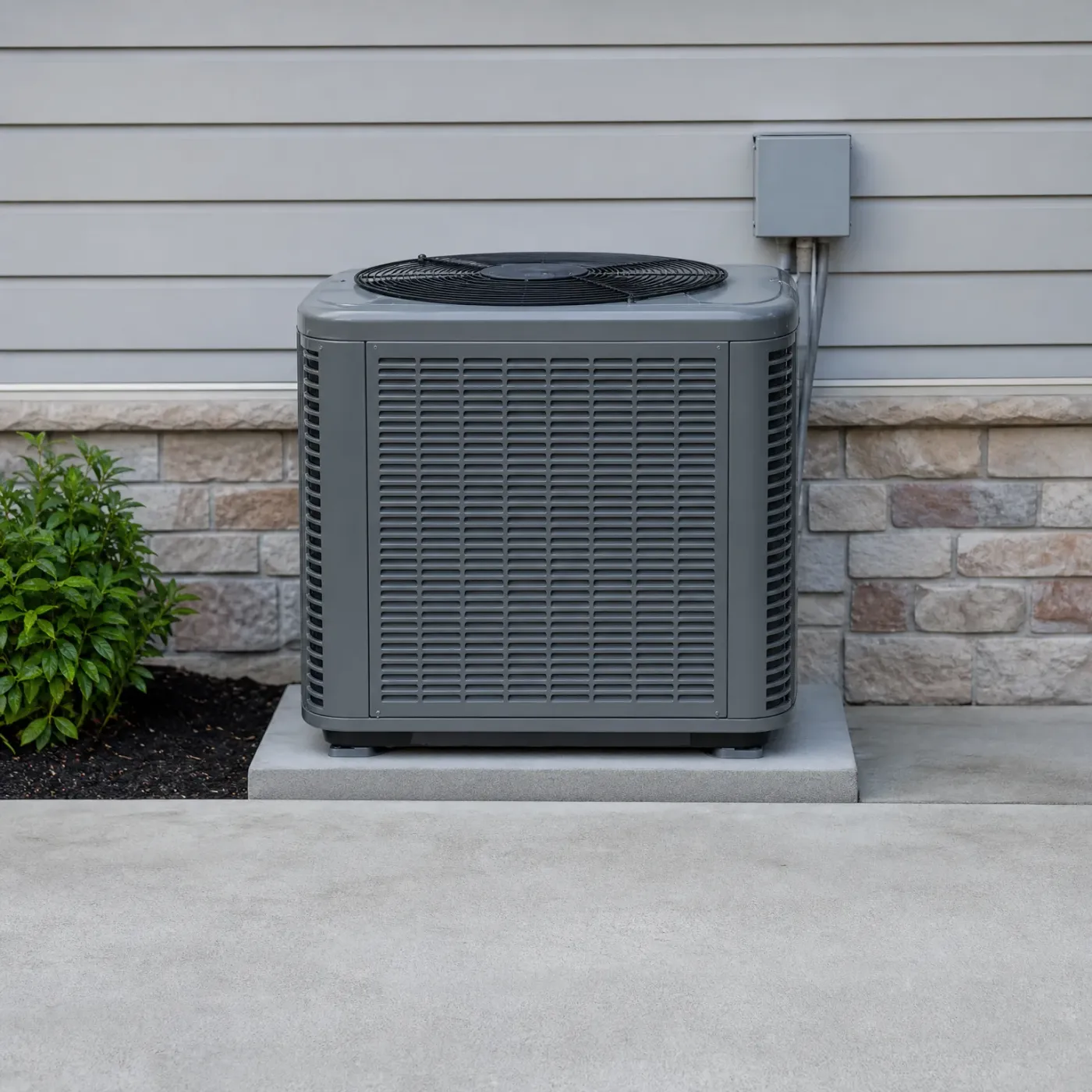
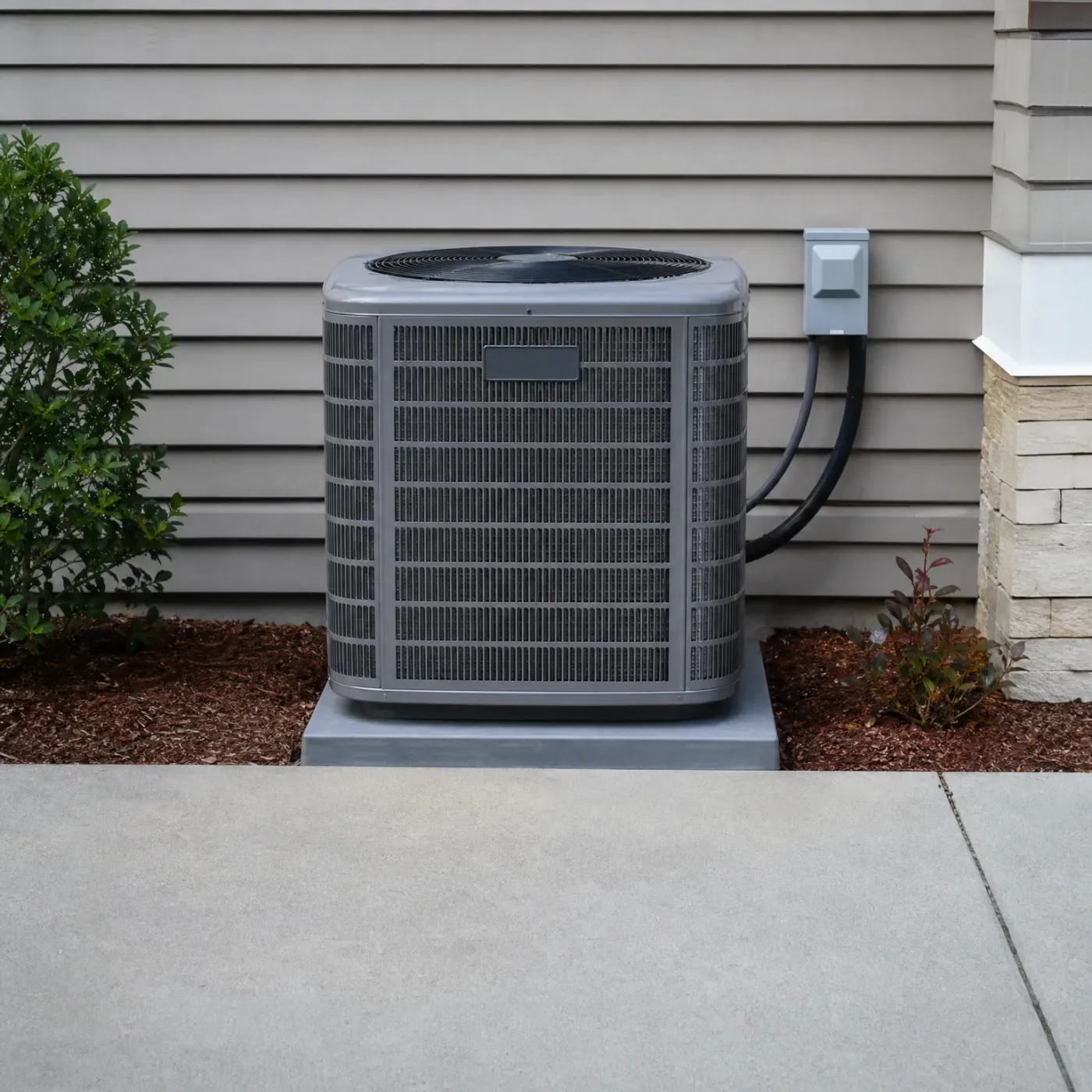
A gray outdoor condenser unit sits on a concrete pad against a house wall with horizontal siding above a stone veneer base, with an electrical disconnect box and conduit on the wall and a leafy shrub in mulch to the left.
After you get your heat pump installation
A single-story house with gray vinyl siding, dark shingled gable roofs, and white-trimmed windows, set behind a partly dry green lawn under a clear blue sky.

In June, July and August, the dew point in New York averages 62°F, measured across where homes in the state actually sit. That's sticky enough to feel heavy on your skin, and it's a different job than winter heat for the same system. Your heat pump also moves heat out of the house to cool it, and humid air makes that harder, since the coil has to pull moisture out along with heat. On a muggy stretch you'll notice the system run longer to get the house to feel dry, not just cool. Source: regional climate averages for New York.

NASA POWER T2MDEW county cells weighted by homes

A gray outdoor condenser unit sits on a concrete pad beside a house with horizontal lap siding, with a wall-mounted disconnect box and refrigerant lines, mulched beds and a shrub nearby, and a concrete walkway in the foreground.
A heat pump sized for your house and matched to your ductwork keeps pace with a New York winter without strain.
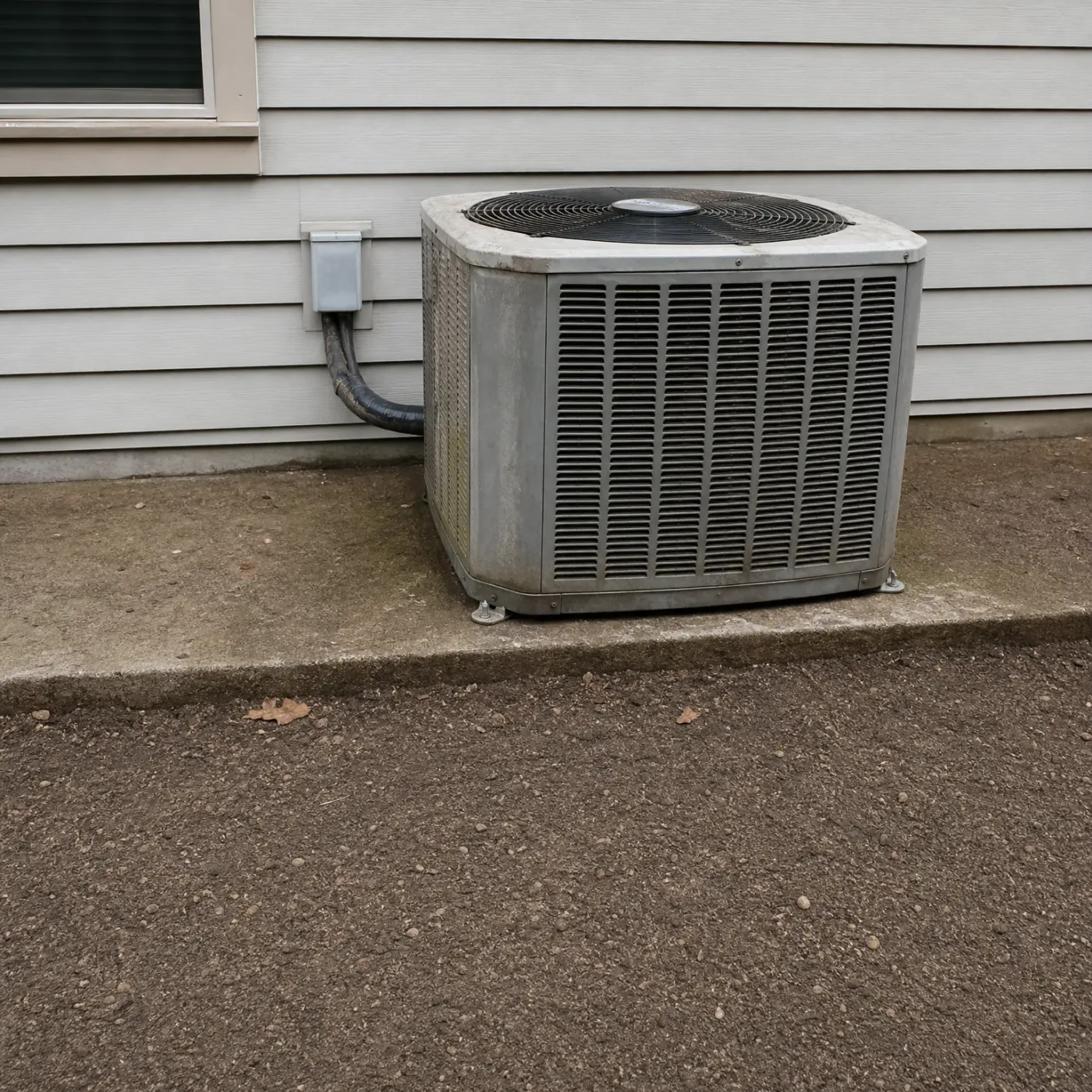
An outdoor air conditioner condenser unit on a concrete pad beside a light gray vinyl-sided house, with an electrical disconnect box and conduit on the wall and bare soil in the foreground.
A unit that's the wrong capacity, or past its years, falls behind once the temperature drops and leaves the house cold.

Power costs 26.39 cents per kilowatt-hour statewide

At that rate, every hour your heat pump leans on the backup electric coil instead of the compressor costs you more than the hour before it. That's the real reason getting the sizing right before a cold snap matters here, not just comfort.

EIA-861 2025 statewide residential average

  1. Outdoor air passes over the coil, where refrigerant pulls in heat.

  2. Refrigerant carries that heat to the compressor, which raises its pressure and temperature.

  3. The compressor sends hot refrigerant to the indoor coil, heating the air flowing over it.

  4. Ductwork pushes that warmed air into the rooms of your house.

An older man with gray hair and a beard leans back on a beige sofa with his eyes closed, in a sunlit room with potted plants, a wicker chair and large windows behind him.
A woman in a cream knit sweater sits in an armchair with her eyes closed and a slight smile, beside an open window showing orange autumn foliage, with a mug, books and a lit candle on a small side table.

What to do with this

  • A heat pump sized for your house holds up through a New York winter; one sized for a milder climate or past its years won't.
  • Below 5 to 10 degrees is where the gap between a standard and a cold climate unit shows up in how warm your house actually feels.
  • A local contractor who services heat pumps through New York winters knows which failures show up first once the cold sets in.
  • Getting matched with one contractor means one visit to schedule, not a string of calls from companies you didn't ask for.
  • Pairing a heat pump with your existing gas furnace, or installing a cold climate unit, both start with someone sizing the system to your house.
  • Once you send the request, finding that contractor is off your plate.

The cold doesn't change by neighborhood, but what your system can do with it depends on what's installed and how it was sized. A heat pump built for a milder range will fall behind once New York gets into single digits. A cold climate unit, or a heat pump paired correctly with your gas furnace, won't. The difference shows up exactly where the facts above pointed: below 5 to 10 degrees, when the house either holds its temperature or doesn't.

Getting that right starts with someone looking at your house, not a general rule. A contractor who works on heat pumps through New York winters has already seen which units hold up and which ones start running constantly without keeping the rooms warm. That's the kind of thing you learn from doing it every season here, not from a manual.

Send the request and you're matched with one contractor, local to you, not a batch of companies competing for the callback. That means one visit to schedule and one person who already knows the territory, instead of sorting through calls from people who don't. From there, sizing the system, deciding whether to pair it with your furnace or replace it with a cold climate unit, and getting it installed before the next cold snap stops being something you have to figure out on your own. Once the request is sent, finding the right person for the job isn't your problem anymore.

A gray outdoor condenser unit on a concrete pad beside a house with horizontal lap siding, bordered by mulch, shrubs and a mowed lawn.

Done looking for a heat pump pro

Step 1 of 3: Equipment