Tell us about the job
Takes about a minute. No obligation.
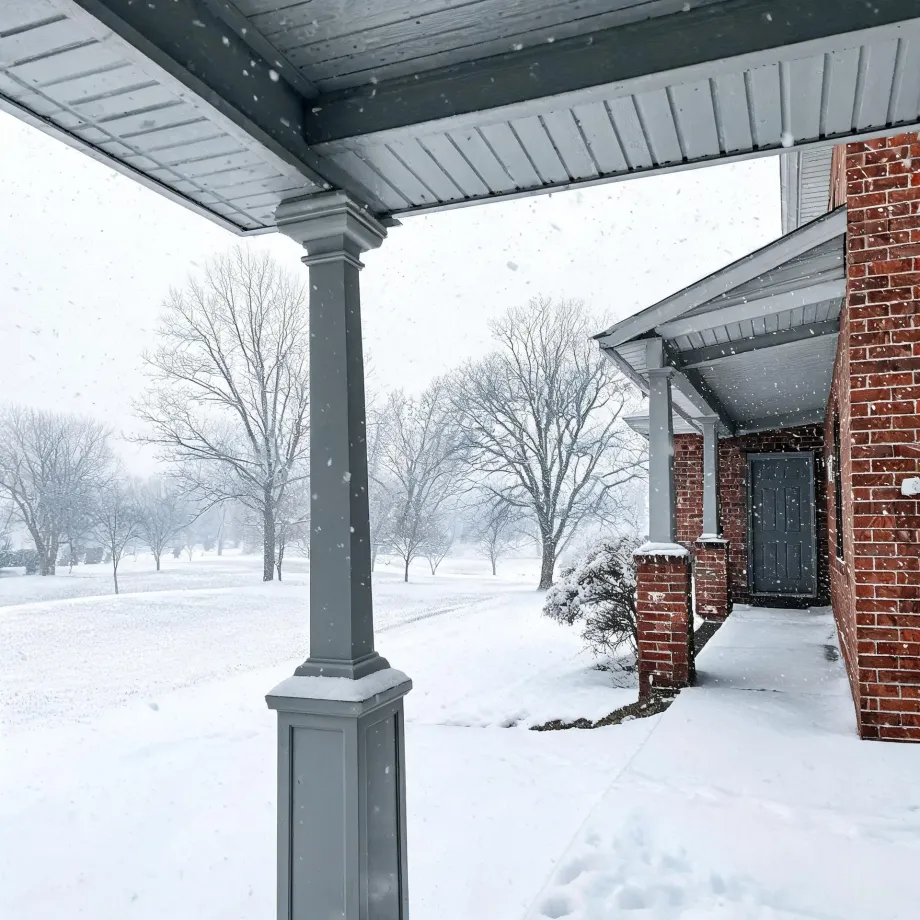
A heat pump working a Sullivan County winter is asking its compressor to move heat against cold outdoor air, which is the condition that puts the most mechanical strain on the refrigerant circuit. Homes in Sullivan County, NY run heat about nine months a year, from September through May. The contractor diagnosing a compressor fault here checks for gradual wear first: reduced pressure differential, motor draw that has crept up over successive seasons, refrigerant charge that has drifted. Those are the signatures of cumulative load, not sudden failure. Defrost cycling adds its own wear to the reversing valve, which is a component many repairs in this region eventually reach.
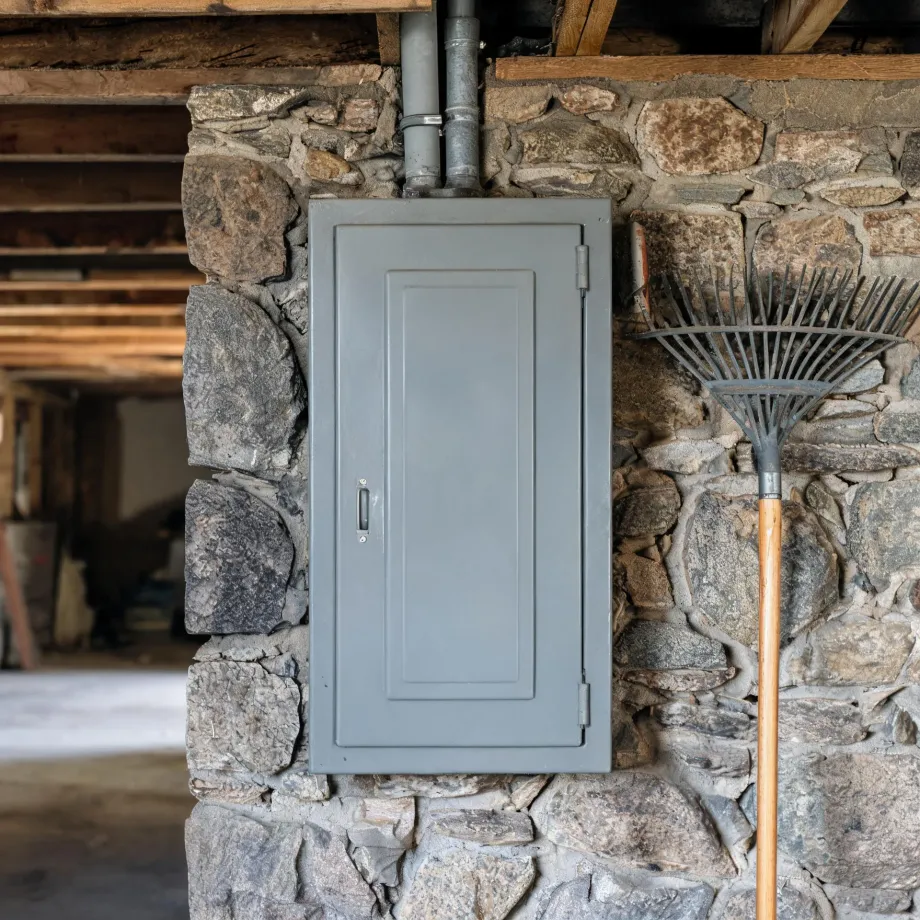
Refrigerant lines, control wiring, and electrical connections in houses around here have frequently been spliced or adapted more than once as equipment came and went over the decades. Half the homes in Sullivan County, New York were built in 1974 or earlier (2020-2024 ACS 5-year). That layered history shows up when a contractor opens the unit and finds that a failing part sits inside a system whose supporting infrastructure has already been modified by a previous repair or a previous replacement. Whether the correct part is still in production for that specific configuration, and whether the wiring feeding it will carry the repair cleanly, are the two questions that decide how the job goes.
The Parts of a Heat Pump a Contractor Checks First
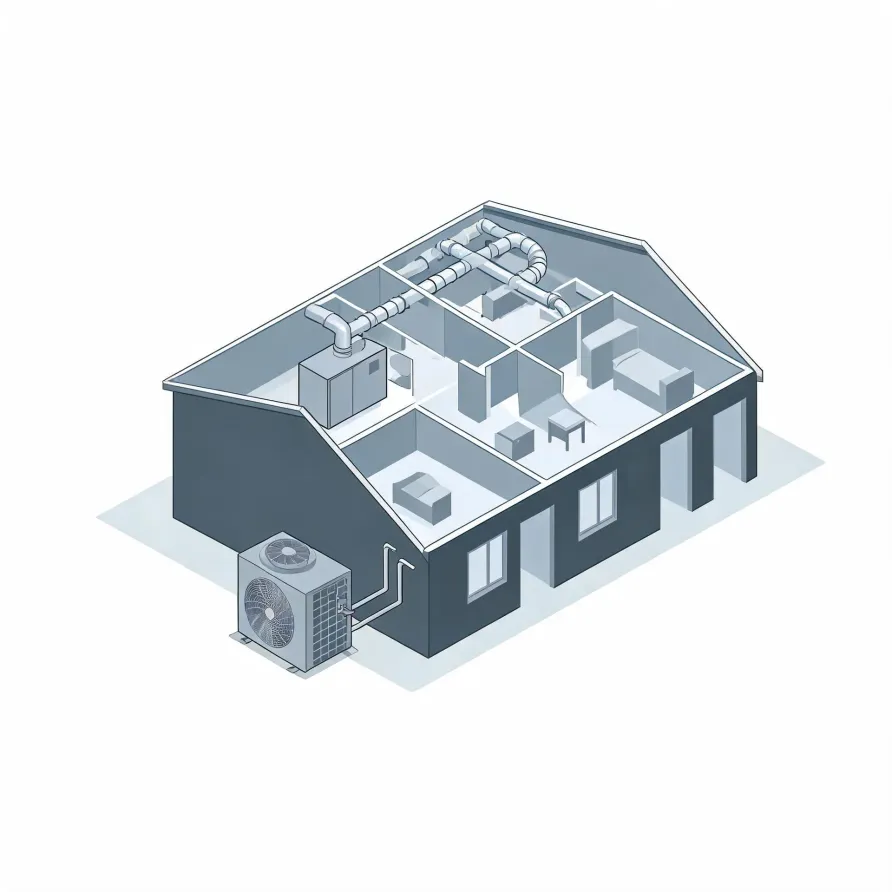
The outdoor unit sits outside the house and holds the compressor and the coil that pulls heat from the air. When the system stops heating or cooling, the compressor is the first thing a contractor looks at, because it does the core work. The refrigerant lines run between that unit and the indoor side, and a leak or a blockage in them will shut the whole system down.
Inside the house, the air handler moves conditioned air across the indoor coil and pushes it through the home. The expansion valve sits near that coil and controls how refrigerant flows through the system. The reversing valve, which tells the system whether to heat or cool, is a common point of failure when the unit runs but delivers the wrong temperature.
The drawing shows a general layout of these components, and a licensed contractor determines what applies to the specific equipment and configuration in your home.
Get matched in Sullivan CountySullivan County, by the numbers
185 severe weather events were recorded in Sullivan County, New York between 2015 and 2024.
NOAA National Centers for Environmental Information, Storm Events Database, bulk CSV export, events 2015-01-01 through 2024-12-31.Half the homes in Sullivan County, New York were built in 1974 or earlier (2020-2024 ACS 5-year).
U.S. Census Bureau, 2020-2024 American Community Survey 5-Year EstimatesSullivan County, New York holds 49,994 housing units (2020-2024 ACS 5-year).
U.S. Census Bureau, 2020-2024 American Community Survey 5-Year EstimatesOwners occupy 67.4% of the occupied homes in Sullivan County, New York (2020-2024 ACS 5-year).
U.S. Census Bureau, 2020-2024 American Community Survey 5-Year EstimatesSevere Weather Events in Sullivan County
Storms and temperature swings put real strain on heat pump components, cycling equipment hard through heating and cooling demands it was not built to handle alone. How often that happens in Sullivan County shapes how much repair work local units actually see.
185 severe weather events, 2015–2024. Source: NOAA National Centers for Environmental Information, Storm Events Database.