Tell us about the job
Takes about a minute. No obligation.
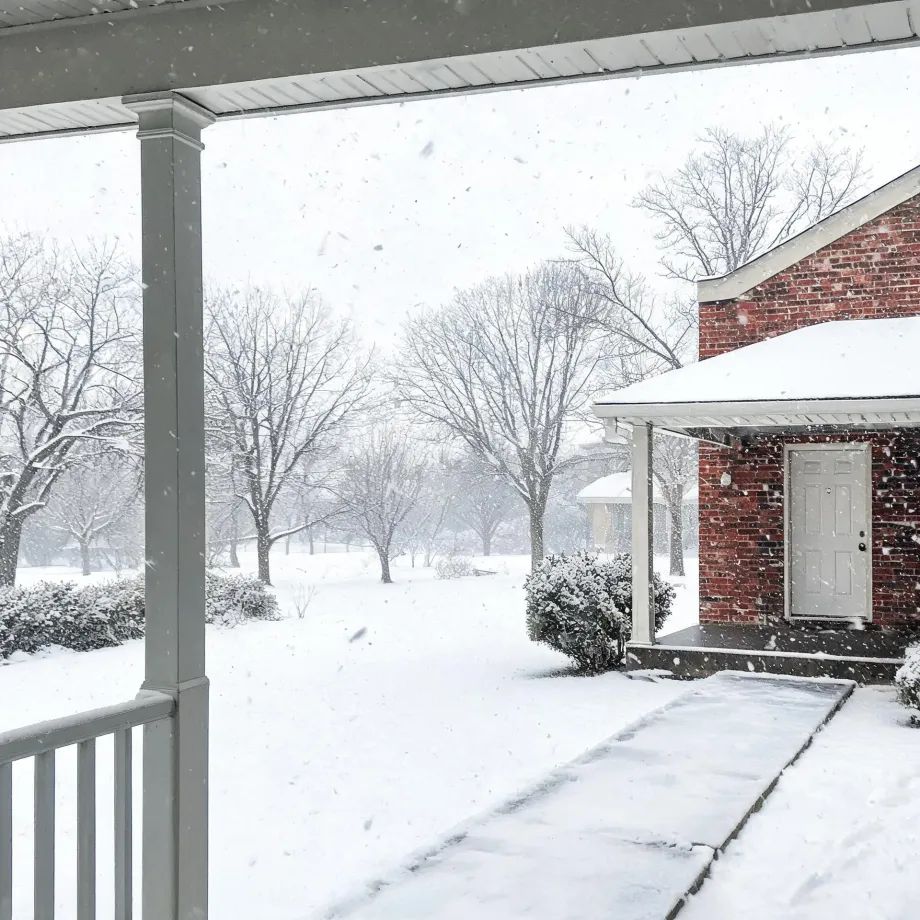
Sizing a heat pump for this county means working out what happens at the cold end of the season, not the middle of it. Homes in Greene County, NY run heat about nine months a year, from September through May. As temperatures fall toward their seasonal floor, a heat pump's output drops, and a system that looked adequate on paper starts running flat out just to hold temperature. A contractor has to establish the coldest realistic load the house will see before settling on equipment, and back-up heat becomes a real line item in the quote rather than an afterthought.
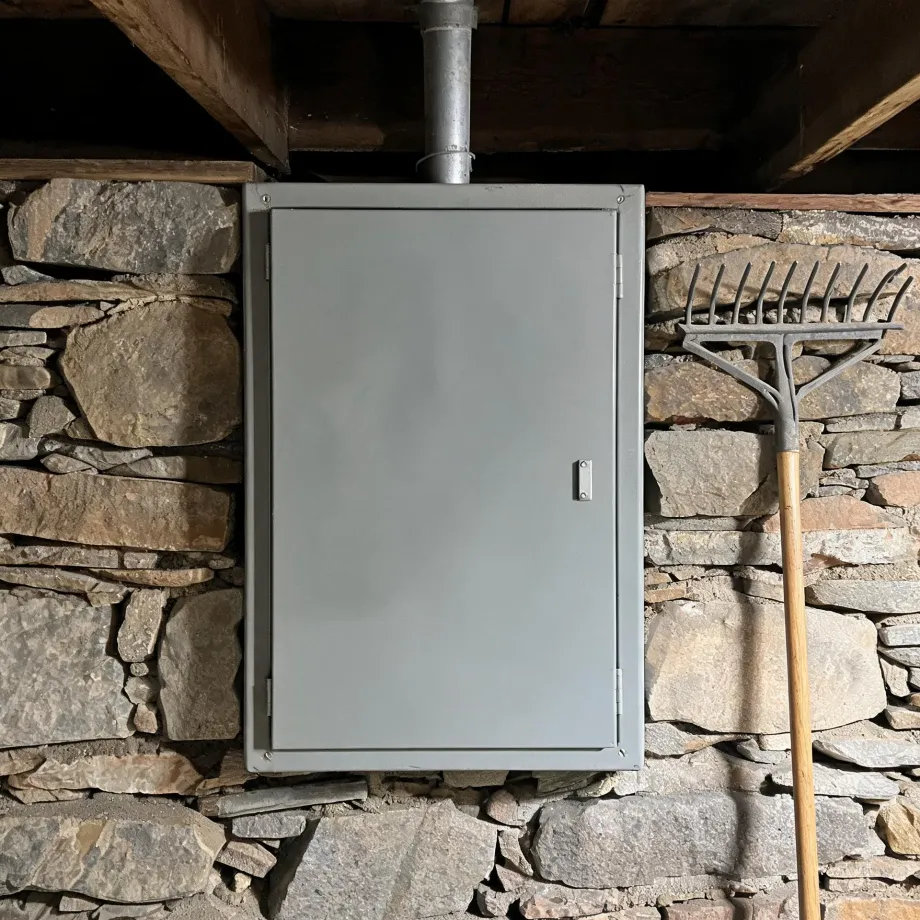
Older ductwork runs through a lot of Greene County houses, but the electrical service is where a heat pump installation tends to get complicated. Half the homes in Greene County, New York were built in 1972 or earlier (2020-2024 ACS 5-year). A house built that far back was wired for a heating system that drew far less current than a heat pump draws, and a contractor quoting the job has to open the panel and read what is actually there before the equipment cost means much. If the service capacity falls short, upgrading it is part of the job.
What Gets Installed With a New Heat Pump
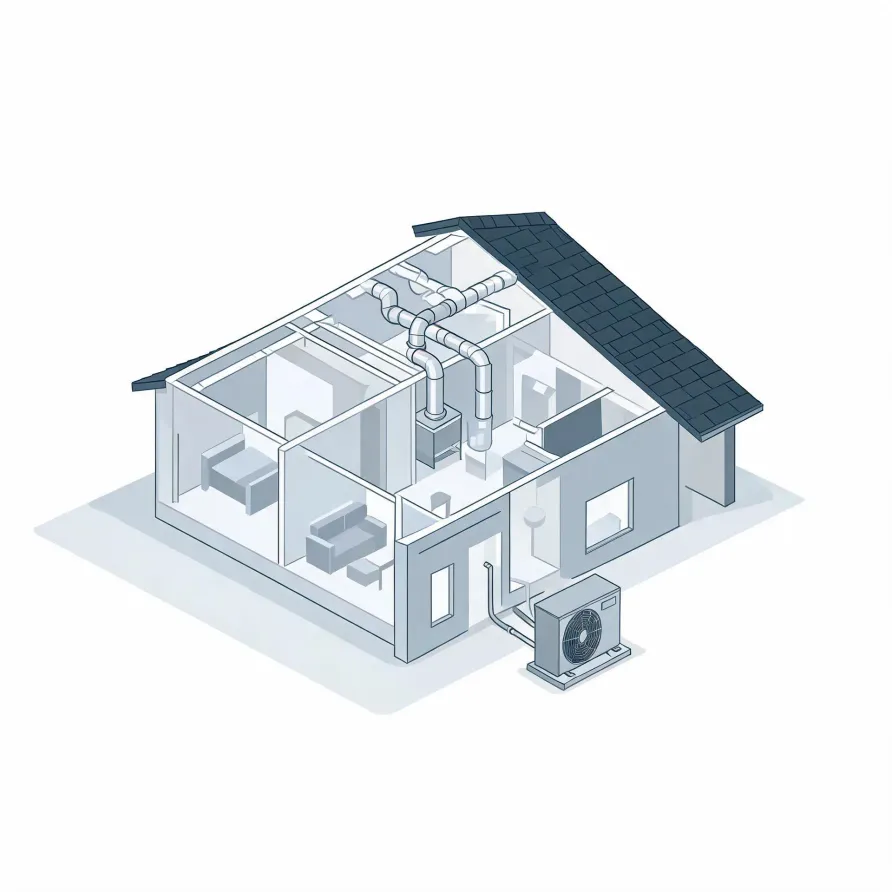
The outdoor unit is the piece a homeowner sees first, mounted on a pad or bracket outside the house, and it holds the compressor and the coil that exchange heat with the outside air. Inside, the air handler sits in a utility space, closet, or basement and pushes conditioned air through the home. Together these two units do the system's core work.
A refrigerant line set runs between the outdoor unit and the air handler, carrying refrigerant back and forth through insulated copper tubing that travels along an exterior wall or through a chase. A thermostat goes on an interior wall and gives the homeowner control over the whole system. The disconnect box and any new electrical connections land near the outdoor unit.
The drawing shows a typical layout, and a licensed contractor determines exactly what applies to your house and how each piece is positioned within it.
Get matched in Greene CountyGreene County, by the numbers
168 severe weather events were recorded in Greene County, New York between 2015 and 2024.
NOAA National Centers for Environmental Information, Storm Events Database, bulk CSV export, events 2015-01-01 through 2024-12-31.Half the homes in Greene County, New York were built in 1972 or earlier (2020-2024 ACS 5-year).
U.S. Census Bureau, 2020-2024 American Community Survey 5-Year EstimatesGreene County, New York holds 29,080 housing units (2020-2024 ACS 5-year).
U.S. Census Bureau, 2020-2024 American Community Survey 5-Year EstimatesOwners occupy 77.2% of the occupied homes in Greene County, New York (2020-2024 ACS 5-year).
U.S. Census Bureau, 2020-2024 American Community Survey 5-Year EstimatesSevere Weather Events in Greene County
Heating and cooling loads are set by local conditions, and local conditions include what the weather puts equipment through year over year. A heat pump sized and installed for Greene County's climate is one built with that record in mind.
168 severe weather events, 2015–2024. Source: NOAA National Centers for Environmental Information, Storm Events Database.