




Can a heat pump keep up in a New York winter

Step 1 of 3: Equipment

A heat pump can keep up in a New York winter, but it has to be sized and installed for the cold, not just for the summer humidity. Below freezing, a heat pump pulls less heat out of the outside air, so the unit has to work harder to keep your house warm. Most heat pumps built for this climate switch to a backup heat source once temperatures drop into the teens or lower, which is common here in January. A unit that was undersized at installation, or set up without that backup working correctly, will struggle on the coldest nights and run up your electric bill trying. The difference between a heat pump that handles a New York winter and one that doesn't usually comes down to whether it was matched to the house and the climate in the first place, not the equipment brand.

  1. Outdoor coil pulls heat from cold air using refrigerant.

  2. Compressor raises refrigerant pressure and temperature before it heats your home.

  3. Indoor coil releases that heat into the air circulating through your ducts.

  4. Below freezing, backup heat strips or your furnace kick in to help.

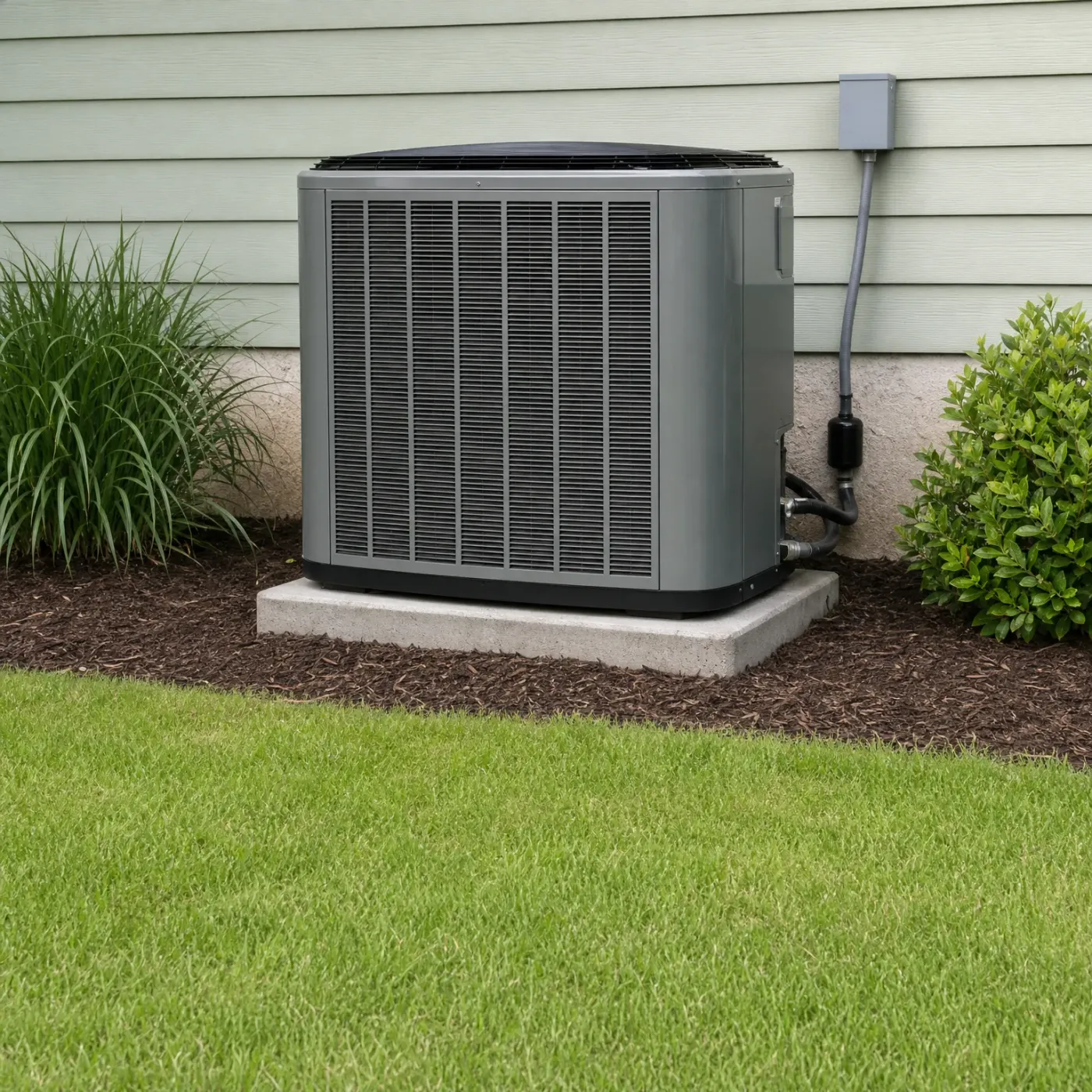
A gray outdoor condenser unit on a concrete pad beside a light-green sided house, surrounded by mulch, ornamental grasses and a shrub, with mowed lawn in the foreground.
A heat pump sized for New York winters keeps running through a January cold snap without leaning hard on backup heat.
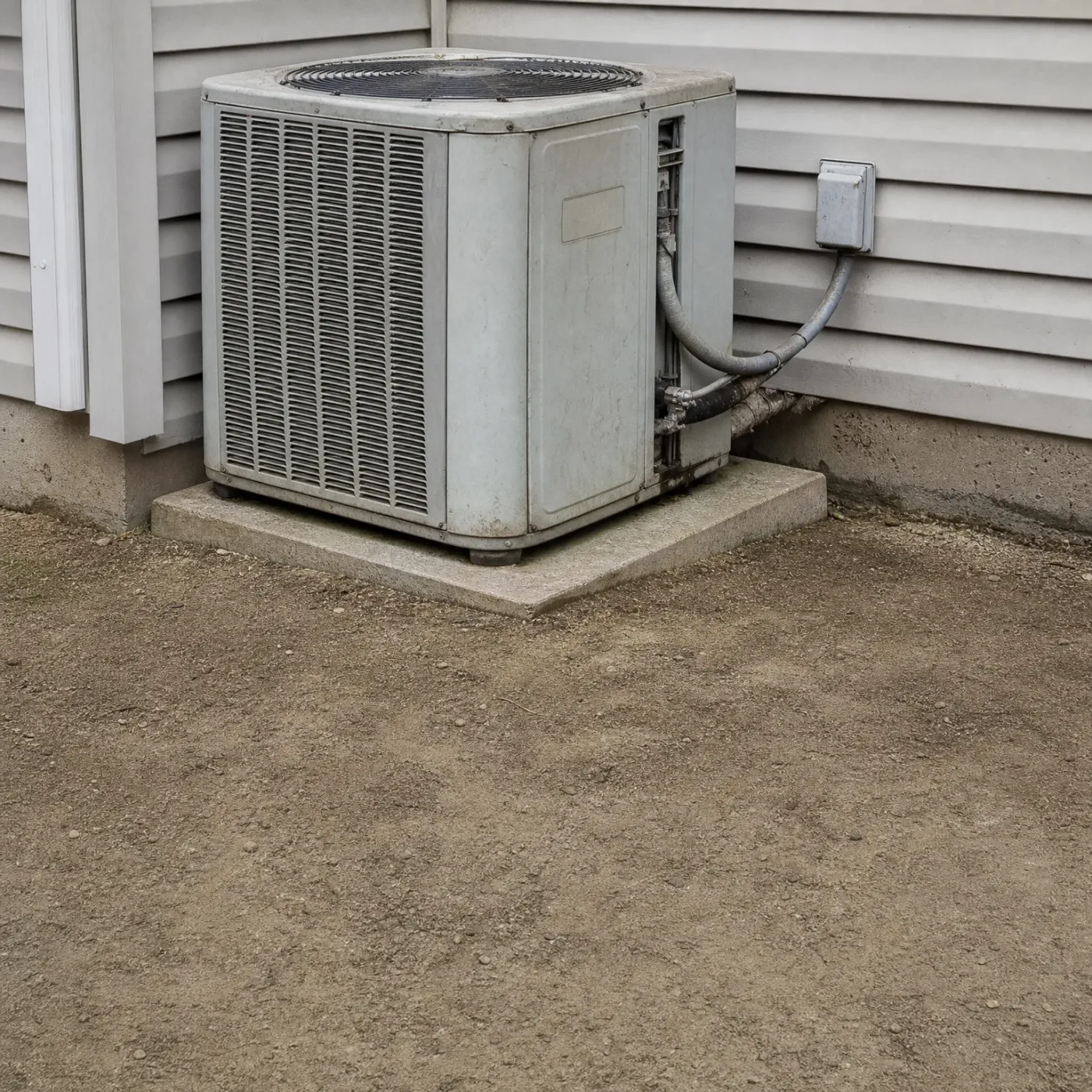
An outdoor condenser unit on a concrete pad beside a horizontal-sided house, with insulated refrigerant lines running to a wall-mounted box, surrounded by bare dirt.
An undersized or aging heat pump struggles once temperatures drop, leaning on backup heat and driving up a power bill that is already high here.
A man with grey hair and stubble in a dark sweater sits on a grey sofa indoors, looking off to the side, with a potted plant and a sunlit window behind him.
A man with gray hair, a beard and glasses, wearing a dark green sweater, sits on a gray sofa in a sunlit living room with a potted plant, table lamp and wooden sideboard behind him.
A middle-aged man with graying hair and a short beard sits on a blue sofa in a living room, looking toward a window, with a bookshelf, lamp and framed picture in the background.
A man with graying curly hair and a dark green sweater sits on a gray sofa in a sunlit living room, looking off to the side, with a framed picture, shelving, an armchair and a window with sheer curtains behind him.

Is your heat pump actually keeping your house warm this winter

You notice it in the rooms farthest from the thermostat staying cold while the air coming out of the vents feels lukewarm instead of hot. The outdoor unit runs long stretches without shutting off, or it's caked in frost and ice that doesn't clear on its own. Indoors, the system seems to run constantly but the house never quite reaches the temperature you set. If backup heat is kicking in often, you'll see it on your power bill, since electric resistance heat pulls a lot more power than the heat pump running on its own. Left alone through a full New York winter, a heat pump that can't keep up means higher bills every month and a house that stays cold when it matters most.

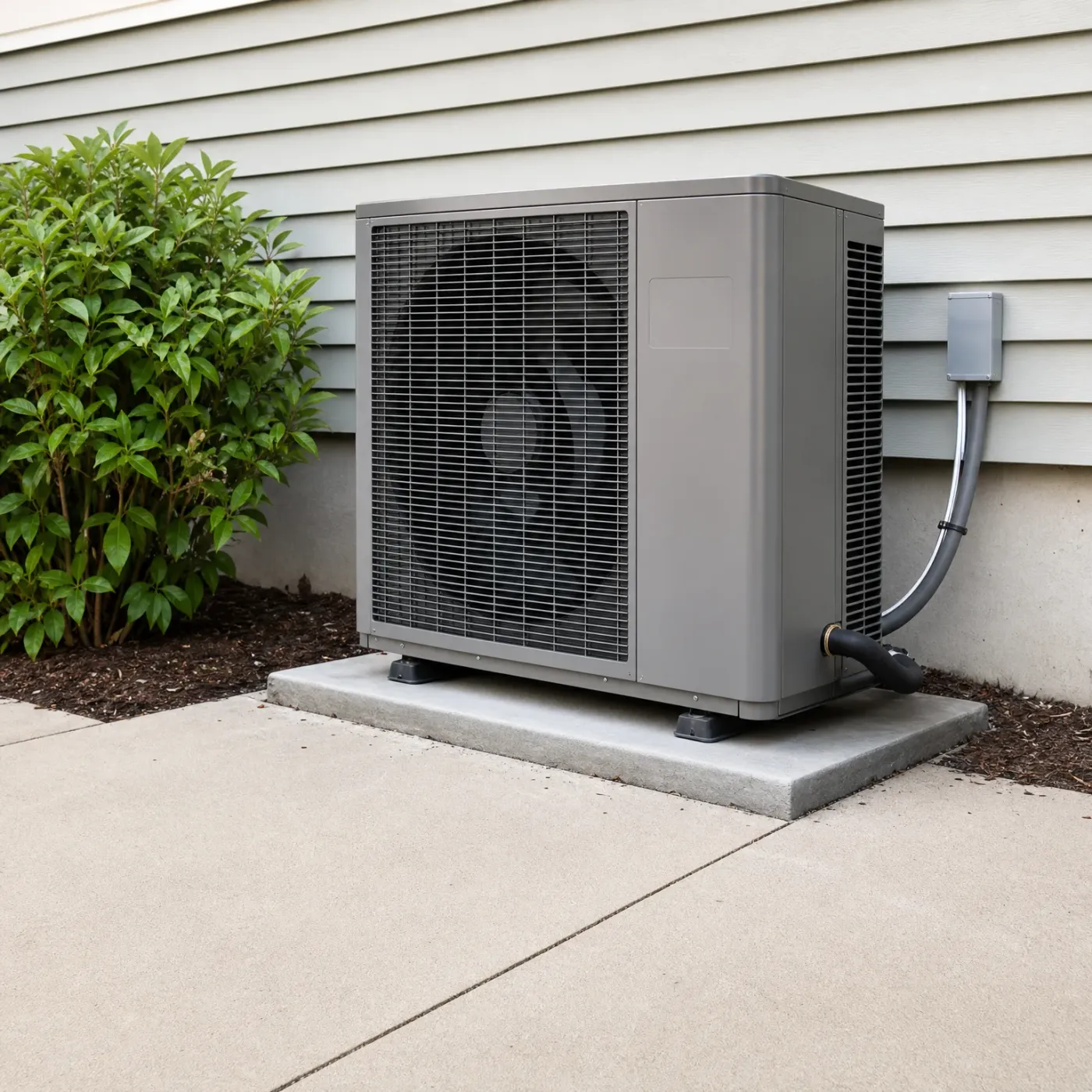
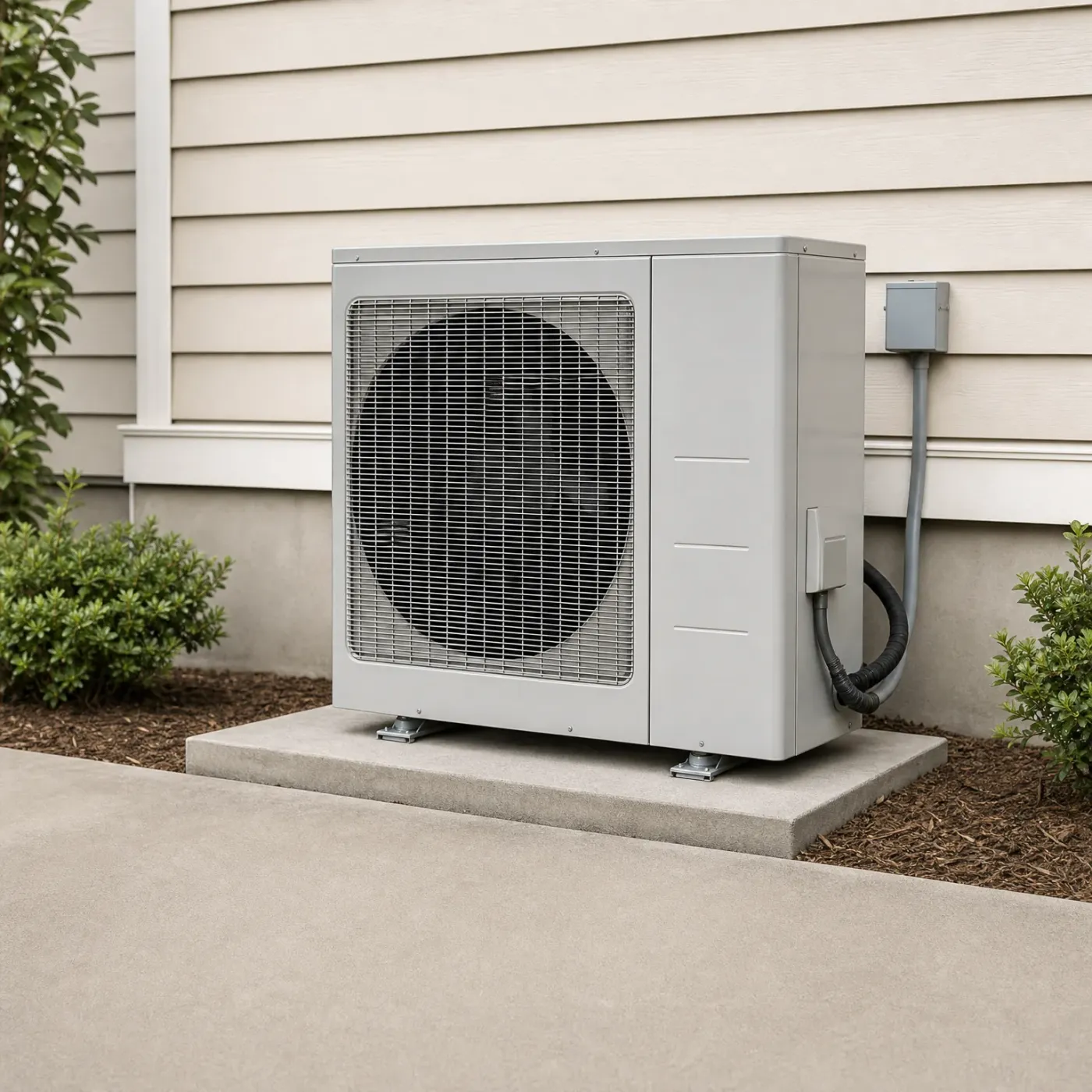
A gray outdoor heat pump unit on a concrete pad beside a house with horizontal lap siding, connected by conduit and a flexible line to a wall-mounted disconnect box, with low shrubs and mulch nearby.

Properly sized and installed

This one sits on its own pad with clean lines run to the disconnect, nothing crowding it. Sized for New York's cold, it pulls heat from winter air without straining, and backup heat stays off except on the coldest nights. That keeps your power bill from spiking when gas is heating the house next door.
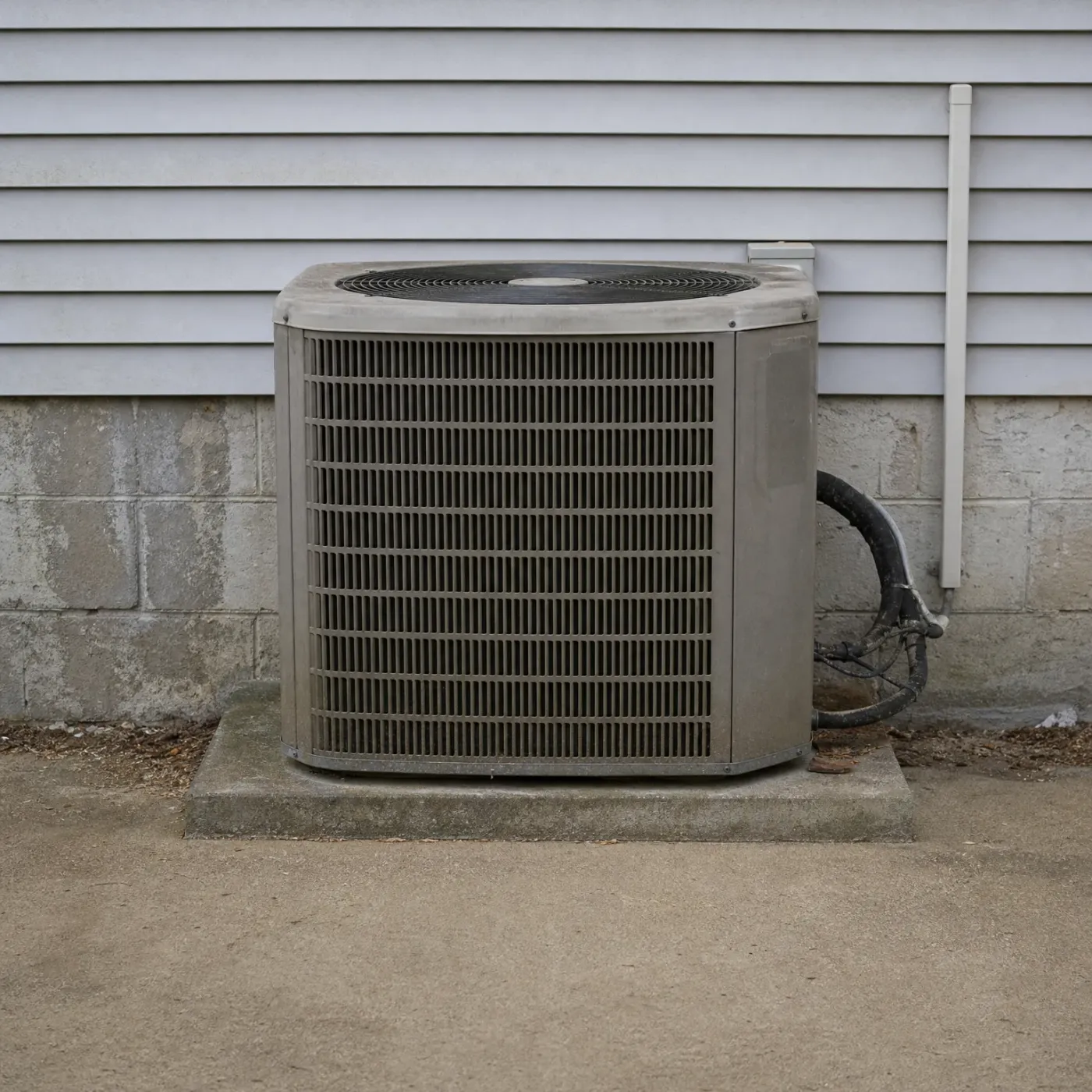
An outdoor air conditioner condenser unit on a concrete pad beside a house with horizontal siding above a concrete block foundation, with insulated refrigerant lines and a vertical white pipe on the wall.

Undersized or aging

This one is older, the lines running bare along the foundation, no clear sign anyone planned it for New York winters. Once temperatures drop, it leans on backup heat to keep rooms warm, and that backup heat runs on the same expensive power as everything else in your house.

What happens when the heat pump switches to backup heat

You've probably heard the outdoor unit change pitch on a cold night, or noticed the vents suddenly running hotter than usual. That shift is backup heat kicking in, and it makes sense to wonder what's actually happening when it does, and whether it means the heat pump itself is failing to do its job.

Backup heat is a second heat source, not a sign the heat pump gave up

Most heat pumps installed in New York have a bank of electric resistance coils built into the indoor air handler. When the outdoor temperature drops low enough that the heat pump alone can't keep up with how fast your house loses heat, a thermostat sensor calls for those coils to switch on and add heat directly, on top of what the heat pump is already producing. This is normal on the coldest nights of the year, not a malfunction. What matters is how often it happens. A heat pump sized and installed correctly for your house should lean on backup heat only during real cold snaps. If it's switching on during an ordinary 30 degree day, something about the sizing or the installation is off.

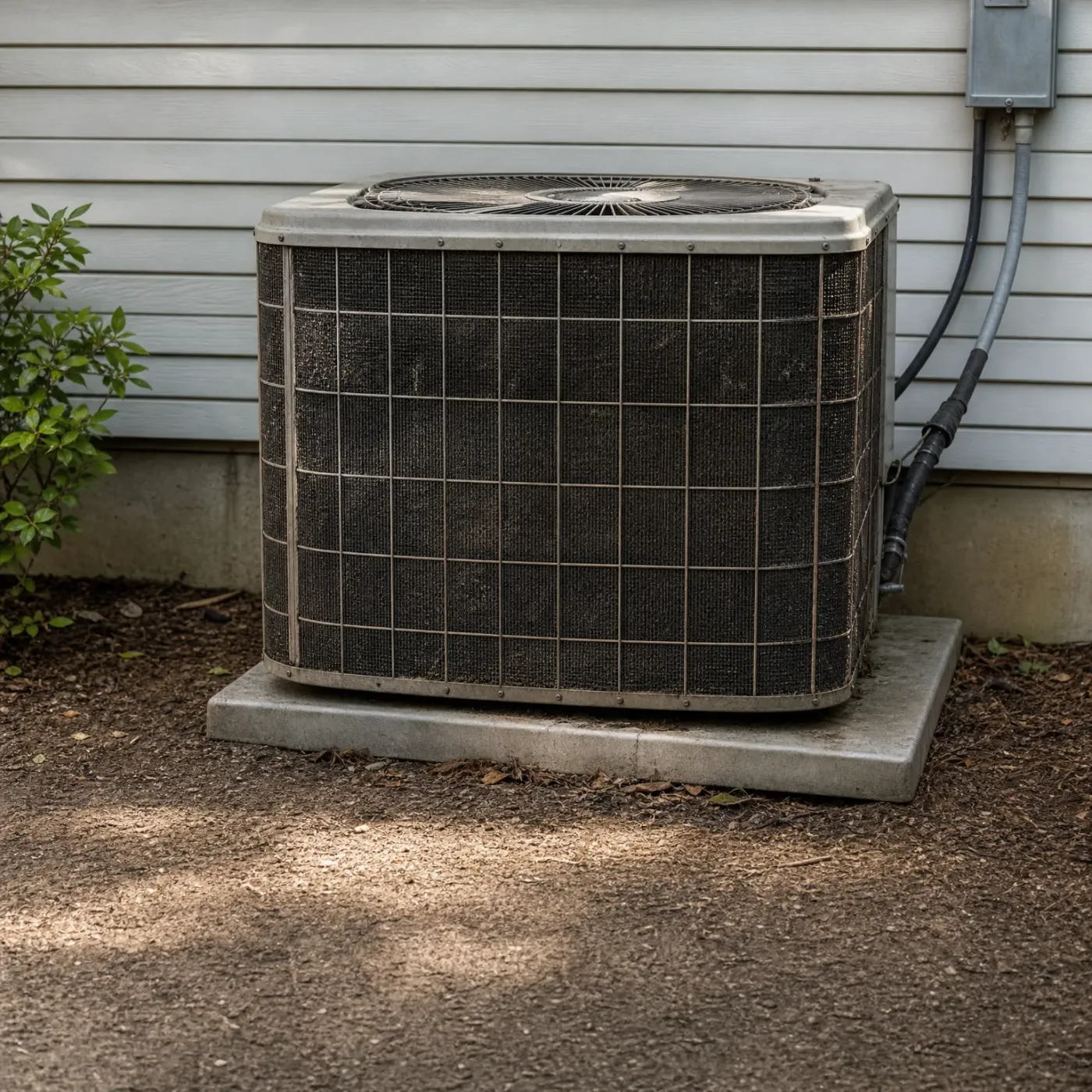
An outdoor air conditioning condenser unit with dusty coils sits on a concrete pad against light horizontal siding, with an electrical disconnect box and refrigerant lines on the wall and a shrub and mulch at left.
Before you get your heat pump installation
A gray outdoor heat pump unit on a concrete pad beside a house with horizontal lap siding, with a conduit running to a wall-mounted disconnect box and a green shrub to the left.
After you get your heat pump installation

Matched to your heat pump job

If your heat pump is leaning on backup heat more nights than not, or a room at the far end of the house stays cold no matter what the thermostat says, that's usually a sizing or installation problem, not something wrong with the idea of running a heat pump through a New York winter. Most homes around here were built with gas heat in mind, so a heat pump has to be matched to your house and ductwork, not dropped in as a stand-in furnace. With power costing what it does here, a unit that's undersized or set up wrong burns through backup heat and your bill climbs with it. Getting matched with a local, licensed contractor who installs and services heat pumps in this climate all winter means someone looking at your system who already knows what tends to go wrong in a New York cold snap. Your request goes to one contractor, not a handful, so you're dealing with someone who actually knows your situation.

A heat pump's capacity drops as the temperature outside drops, so the size that covers a mild December day may not cover a night in the teens.

Sizing for the coldest nights, not the average ones, is what decides whether backup heat runs once in a while or most of the winter.

Power costs 26.39 cents per kilowatt-hour statewide

At 26.39 cents per kilowatt-hour, every hour your heat pump leans on backup heat instead of its normal cycle shows up fast on your bill. That's the real cost of a unit sized wrong for your house: not just a cold room, but backup heat covering for it all winter.

EIA-861 2025 statewide residential average

A woman with shoulder-length brown hair wearing a beige knit cardigan sits in a gray upholstered armchair near a window, looking off to the side with a slight smile, with bookshelves blurred in the background.
A woman with her hair in a bun holds a sleeping young child against her chest, both wrapped in a textured beige knit blanket on a sofa in a dimly lit room with a lamp, framed picture, and bookshelf behind them.

Sized right, it holds up

  • A heat pump sized and installed for New York's coldest nights, not just the muggy months, keeps your house warm without leaning on backup heat.
  • Sizing has to account for how much capacity a heat pump loses as the temperature drops into the teens and below.
  • A local contractor who works on heat pumps all winter knows which installation mistakes cause backup heat to run too often around here.
  • Matching you with one licensed local contractor means someone who already knows New York winters looks at your specific home, not a crew answering calls from three states.
  • Gas heating is the norm in most homes here, so a contractor installing your heat pump needs to understand how it fits alongside or replaces that setup.
  • The question isn't whether a heat pump can handle a New York winter, it's whether yours was sized and installed to.

A heat pump can carry a New York winter. Whether yours does comes down to sizing and installation, not the equipment itself. Capacity falls as the temperature drops, so a unit that covers a mild afternoon can fall short on a night in the teens, and that gap is where backup heat starts running more than it should. That matters here especially, since power costs more in New York than in most of the country, and backup heat draws on it the whole time it's covering for an undersized system.

Getting the sizing right takes someone who has actually worked on heat pumps through a New York winter and has seen where installs go wrong, whether that's a unit sized off the summer load alone or a setup that doesn't account for how the house was heated before. Most homes here run on gas, so a contractor putting in a heat pump needs to know how it sits alongside that, or replaces it outright, without leaving a thermostat setting that triggers backup heat more than it needs to.

Getting matched with one local contractor means a single set of eyes on your house and your equipment, someone who already knows what a New York winter demands of a heat pump, rather than a handful of companies working off a generic checklist. The question was never whether a heat pump can handle the cold here. It's whether the one in your house was put in to do that.

Kitchen corner with cream upper cabinets, oak lower cabinets, white marble-look countertop, beige tile backsplash, a ceramic vase of greenery, a wooden cutting board and bowl, and a black-framed window at right.
Interior corner of a room with a white-framed window and wide sill, beige walls with panel molding, a wooden cabinet holding a ceramic vase with a green leafy plant, and blurred shrubs and trees outside.
A wood-framed armchair with beige cushions and a woven lumbar pillow sits in a corner beside a large window overlooking green trees, with a tall ceramic vase holding leafy branches on the left and plaster walls and wood flooring.
Interior corner with a white-framed window above a sill, beige walls with baseboard molding, a greige shaker-style cabinet with brass knobs and a potted plant on top, light wood flooring and a woven jute rug.
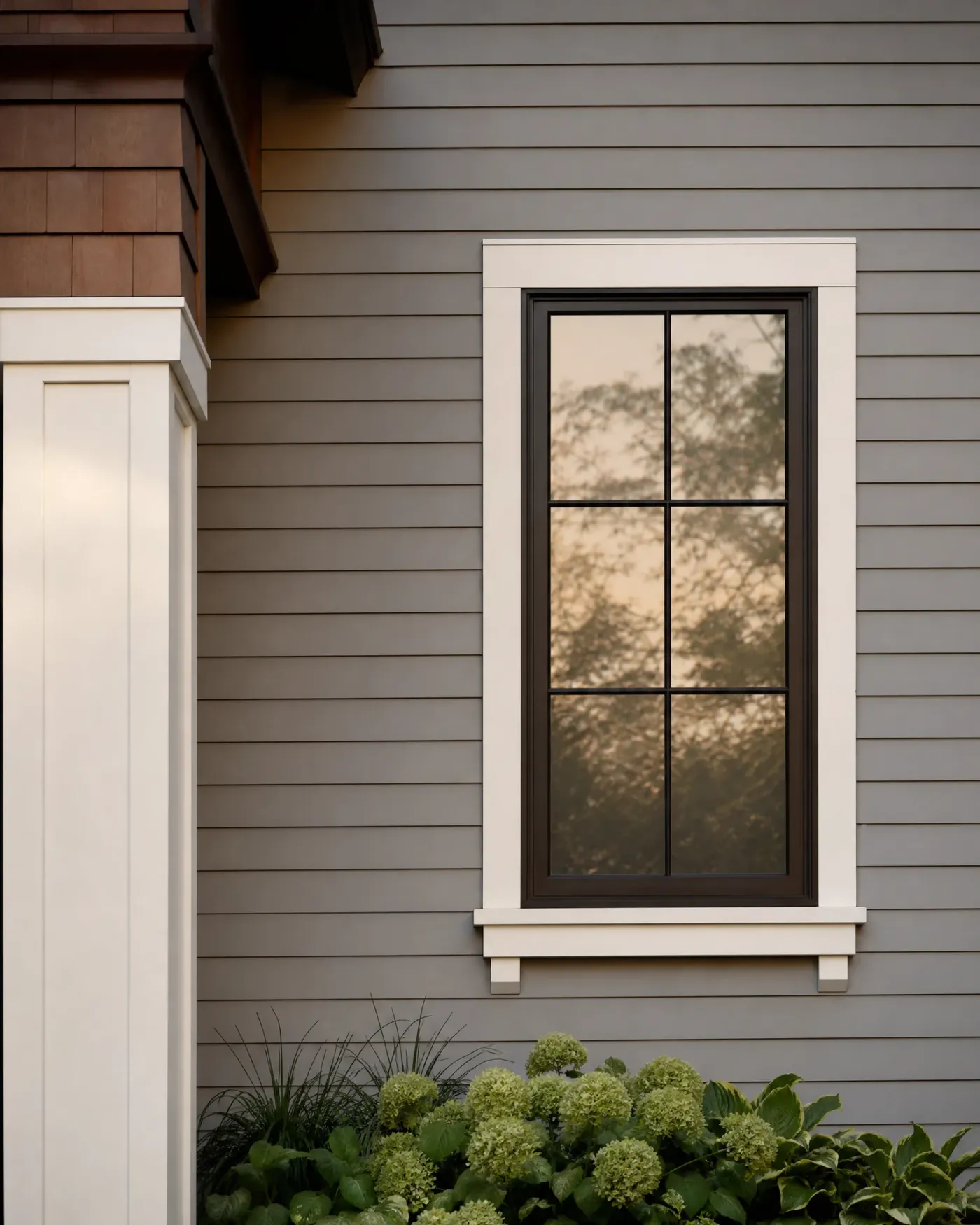
A dark-framed six-pane window with white trim and sill set in gray horizontal lap siding, with hydrangea shrubs below and a white column and shingled roof section at left.

A heat pump pro near you

Your request goes to one pro, not a list of companies.

Find a local pro

It costs nothing to send, and you don't have to hire anyone.